
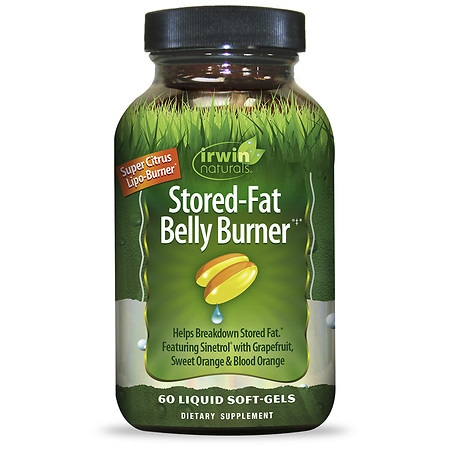
Exploring Over-the-Counter Diet Pills
Over-the-counter (OTC) diet pills have become a popular choice for individuals looking to manage their weight and improve their overall health. These non-prescription supplements are widely available in pharmacies, health stores, and online platforms, offering a convenient option for those seeking assistance in their weight loss journey.
Types of OTC Diet Pills
OTC diet pills come in various forms and formulations, each targeting different aspects of weight management. Some common types include appetite suppressants, fat blockers, metabolism boosters, and carb blockers. It’s essential to understand the specific benefits and potential side effects of each type before incorporating them into your routine.
Benefits and Considerations
One of the key advantages of OTC diet pills is their accessibility and affordability compared to prescription medications. They can provide a convenient way to kickstart your weight loss efforts or complement a healthy diet and exercise regimen. However, it’s crucial to consult with a healthcare professional before starting any new supplement to ensure it is safe and suitable for your individual needs.
Potential Risks
While OTC diet pills can offer benefits, they also come with potential risks. Some supplements may contain ingredients that can cause side effects such as jitteriness, increased heart rate, or digestive issues. Additionally, there is a risk of interactions with other medications or underlying health conditions. It’s important to read the labels carefully and follow recommended dosages to minimize these risks.
The Importance of Healthy Lifestyle Choices
It’s essential to remember that OTC diet pills are not a magic solution for weight loss. Sustainable results are best achieved through a combination of healthy eating habits, regular physical activity, and lifestyle modifications. While these supplements can provide support, they should be viewed as part of a holistic approach to overall wellness.
Final Thoughts
Over-the-counter diet pills can be a helpful tool for individuals seeking assistance in managing their weight. However, it’s crucial to approach them with caution, awareness of potential risks, and an understanding that they are most effective when combined with a balanced lifestyle. Consulting with a healthcare provider before starting any new supplement is always recommended to ensure your safety and well-being.
Advantages of Over-the-Counter Diet Pills: Accessible, Affordable, and Effective Support for Weight Management
- Convenient accessibility in pharmacies and health stores
- Affordable option compared to prescription weight loss medications
- Can provide support for individuals looking to kickstart their weight loss journey
- Offer a variety of formulations targeting different aspects of weight management
- May help suppress appetite, boost metabolism, or block fat absorption
- No need for a doctor’s prescription to purchase OTC diet pills
- Can complement a healthy diet and exercise routine for enhanced results
Considerations and Risks of OTC Diet Pills: Side Effects, Interactions, and Lifestyle Limitations
- 1. Potential side effects such as jitteriness, increased heart rate, or digestive issues.
- 2. Risk of interactions with other medications or underlying health conditions.
- 3. Not a substitute for healthy eating habits, regular exercise, and lifestyle modifications.
Convenient accessibility in pharmacies and health stores
The convenience of accessibility in pharmacies and health stores is a significant advantage of over-the-counter (OTC) diet pills. With these supplements readily available without the need for a prescription, individuals can easily purchase them when needed, making it more convenient to kickstart their weight loss journey or supplement their existing healthy lifestyle. This accessibility allows for greater flexibility and ease of obtaining OTC diet pills, empowering individuals to take charge of their health and wellness goals with convenience and efficiency.
Affordable option compared to prescription weight loss medications
An undeniable advantage of over-the-counter (OTC) diet pills is their affordability when compared to prescription weight loss medications. This cost-effective option makes it more accessible for individuals seeking support in managing their weight without breaking the bank. By offering a more budget-friendly alternative, OTC diet pills provide a practical solution for those looking to kickstart their weight loss journey or maintain their progress without the financial burden associated with prescription medications.
Can provide support for individuals looking to kickstart their weight loss journey
Over-the-counter (OTC) diet pills offer valuable support for individuals embarking on their weight loss journey by providing a convenient way to kickstart their efforts. These supplements can help jumpstart metabolism, curb cravings, and boost energy levels, making it easier for individuals to initiate healthy habits and progress towards their weight loss goals. While OTC diet pills should be used in conjunction with a balanced diet and regular exercise, they can serve as a helpful aid in the initial stages of a weight loss journey.
Offer a variety of formulations targeting different aspects of weight management
One significant advantage of over-the-counter (OTC) diet pills is their ability to offer a diverse range of formulations that target various aspects of weight management. From appetite suppressants to metabolism boosters, these supplements cater to different needs and preferences, allowing individuals to choose a product that aligns with their specific weight loss goals. This variety ensures that users have options to address distinct factors influencing their weight, providing a more tailored approach to achieving desired outcomes.
May help suppress appetite, boost metabolism, or block fat absorption
One significant advantage of over-the-counter (OTC) diet pills is their potential to help suppress appetite, boost metabolism, or block fat absorption. These functions can support individuals in managing their weight by reducing cravings, increasing calorie burn, and limiting the body’s ability to store excess fat. By incorporating OTC diet pills that offer these benefits into a balanced weight loss plan, individuals may find it easier to control their food intake, enhance their energy expenditure, and promote a more efficient metabolism for improved results.
No need for a doctor’s prescription to purchase OTC diet pills
One significant advantage of over-the-counter (OTC) diet pills is the convenience of not requiring a doctor’s prescription for purchase. This accessibility allows individuals to explore weight management options independently and without the need for a formal medical consultation. By eliminating the prescription barrier, OTC diet pills offer a straightforward and immediate solution for those looking to kickstart their weight loss journey or supplement their existing health regimen. However, it is essential for users to exercise caution, conduct thorough research, and consider consulting with a healthcare professional to ensure the safety and suitability of these supplements for their individual needs.
Can complement a healthy diet and exercise routine for enhanced results
OTC diet pills have the potential to complement a healthy diet and exercise routine, resulting in enhanced weight management outcomes. When used in conjunction with nutritious eating habits and regular physical activity, these supplements can provide additional support to help individuals achieve their weight loss goals more effectively. By incorporating OTC diet pills into a holistic approach to wellness, individuals may experience improved results and greater motivation to maintain a healthy lifestyle in the long term.
1. Potential side effects such as jitteriness, increased heart rate, or digestive issues.
One significant drawback of over-the-counter (OTC) diet pills is the potential for experiencing adverse side effects. These may include symptoms like jitteriness, an elevated heart rate, or digestive issues. Such side effects can not only be uncomfortable but also pose risks to an individual’s overall health and well-being. It is essential for individuals considering OTC diet pills to be aware of these potential consequences and to exercise caution when incorporating these supplements into their weight loss regimen. Consulting with a healthcare professional before starting any new supplement can help mitigate the risk of experiencing these unwanted side effects.
2. Risk of interactions with other medications or underlying health conditions.
One significant drawback of over-the-counter (OTC) diet pills is the potential risk of interactions with other medications or underlying health conditions. Since these supplements contain active ingredients that can affect the body’s processes, there is a possibility of adverse reactions when combined with certain medications or existing health issues. This risk highlights the importance of consulting with a healthcare professional before incorporating OTC diet pills into your routine to ensure they are safe and compatible with your overall health profile.
3. Not a substitute for healthy eating habits, regular exercise, and lifestyle modifications.
One significant drawback of over-the-counter diet pills is that they are not a substitute for healthy eating habits, regular exercise, and lifestyle modifications. While these supplements may offer support in weight management, relying solely on them without addressing fundamental lifestyle factors can lead to limited and unsustainable results. Embracing a balanced diet, staying physically active, and making positive lifestyle changes are essential components of long-term weight loss success and overall well-being that cannot be replaced by OTC diet pills alone.