
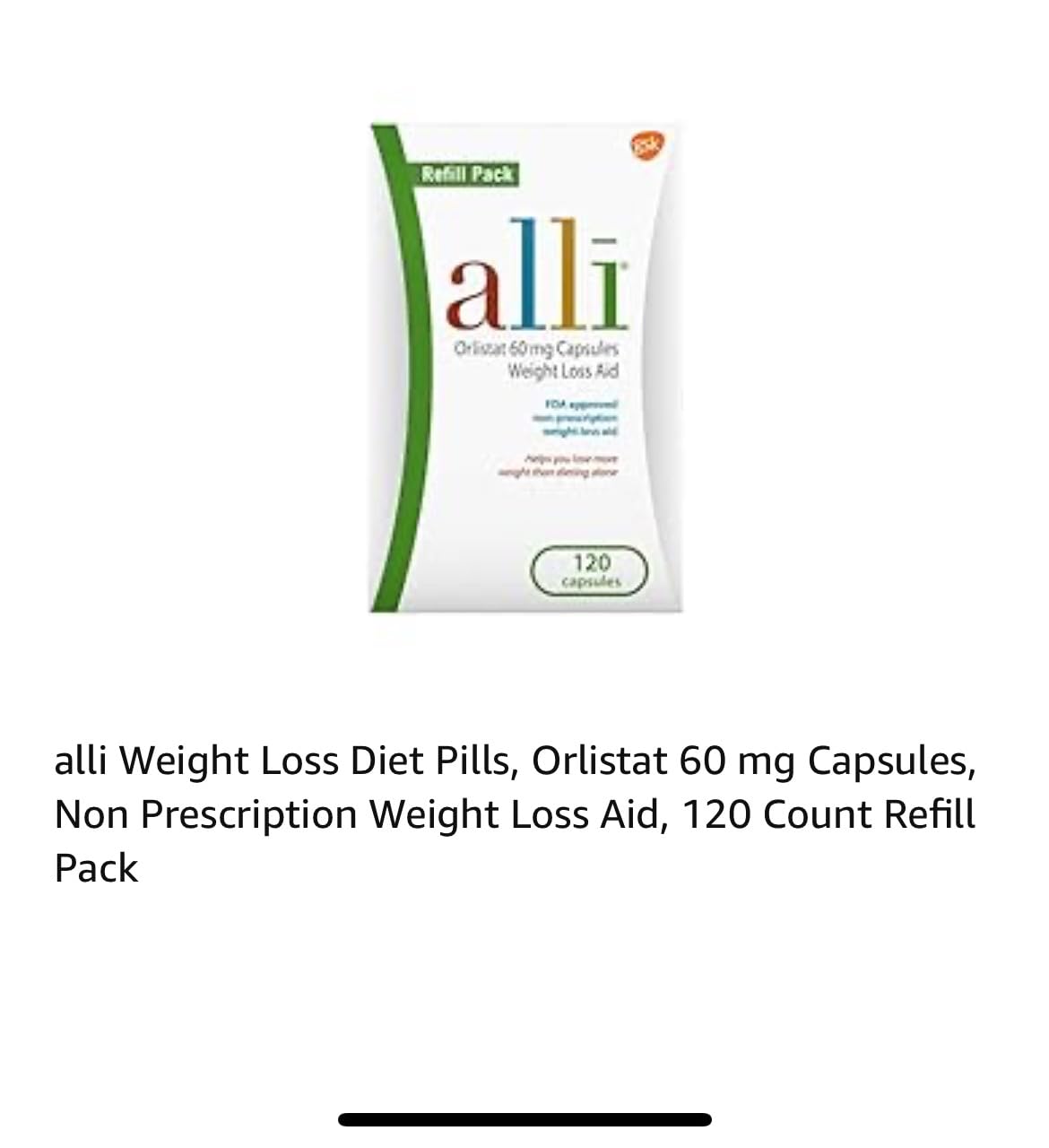
Exploring Over-the-Counter Diet Pills
Over-the-counter (OTC) diet pills are a popular choice for individuals looking to manage their weight without a prescription. These supplements are readily available in pharmacies, health stores, and online platforms, promising quick and easy solutions to weight loss. While OTC diet pills can be convenient, it’s essential to understand their benefits, risks, and limitations.
The Benefits of OTC Diet Pills
OTC diet pills often contain ingredients that claim to boost metabolism, suppress appetite, or block fat absorption. For some individuals, these supplements may provide a temporary aid in weight management when combined with a balanced diet and regular exercise routine. They can also offer convenience for those who prefer not to visit a healthcare provider for weight loss assistance.
Risks and Limitations
Despite their availability, OTC diet pills come with potential risks and limitations. Many of these supplements lack rigorous scientific evidence to support their claims of effectiveness. Some ingredients may cause side effects such as increased heart rate, digestive issues, or interactions with medications. Moreover, relying solely on OTC diet pills without addressing lifestyle factors like diet and exercise may lead to short-term results and long-term health concerns.
Choosing Wisely
When considering OTC diet pills, it’s crucial to do thorough research and consult with a healthcare professional before starting any new supplement regimen. Look for products that have been tested for safety and efficacy by reputable organizations. Be cautious of exaggerated claims or promises of rapid weight loss as these can be red flags for ineffective or potentially harmful products.
Conclusion
Over-the-counter diet pills can be a tempting option for those seeking quick fixes in their weight loss journey. However, it’s essential to approach them with caution and awareness of their benefits, risks, and limitations. Remember that sustainable weight management is best achieved through a holistic approach that includes healthy eating habits, regular physical activity, and personalized guidance from healthcare providers.
7 Common Questions About Over-the-Counter Diet Pills: Safety, Ingredients, and Considerations
- 1. Are over-the-counter diet pills safe to use?
- 2. How do over-the-counter diet pills work for weight loss?
- 3. What are the common ingredients found in over-the-counter diet pills?
- 4. Do over-the-counter diet pills have any side effects?
- 5. Can I take over-the-counter diet pills with other medications or supplements?
- 6. Are over-the-counter diet pills regulated by health authorities?
- 7. What should I consider before choosing an over-the-counter diet pill?
1. Are over-the-counter diet pills safe to use?
When considering the safety of over-the-counter diet pills, it is essential to approach them with caution and awareness. While some OTC diet pills may be safe when used as directed, others may contain ingredients that could pose risks to certain individuals. It’s crucial to consult with a healthcare professional before starting any new supplement regimen to ensure compatibility with your health status and any medications you may be taking. Additionally, conducting thorough research on the product’s ingredients and reputation can help in making an informed decision about its safety for personal use.
2. How do over-the-counter diet pills work for weight loss?
When it comes to the question of how over-the-counter diet pills work for weight loss, it’s important to understand that these supplements typically aim to assist in the process through various mechanisms. Some over-the-counter diet pills work by boosting metabolism, which can help the body burn more calories throughout the day. Others may focus on suppressing appetite, making it easier for individuals to consume fewer calories. Additionally, certain pills may target fat absorption, preventing the body from absorbing all the fats consumed in a meal. It’s crucial to note that individual responses to these pills may vary, and combining their use with a healthy diet and exercise regimen is often recommended for optimal results. Consulting with a healthcare provider before starting any new supplement is advisable to ensure safety and effectiveness.
3. What are the common ingredients found in over-the-counter diet pills?
In over-the-counter diet pills, common ingredients often include stimulants like caffeine to boost metabolism and energy levels, appetite suppressants such as glucomannan or fiber to promote feelings of fullness, and fat blockers like chitosan to inhibit the absorption of dietary fats. Other prevalent components may include green tea extract for its antioxidant properties, conjugated linoleic acid (CLA) for potential fat-burning effects, and various vitamins and minerals to support overall health. It’s important to read product labels carefully and consult with a healthcare professional to understand the potential benefits and risks associated with these ingredients in OTC diet pills.
4. Do over-the-counter diet pills have any side effects?
When it comes to over-the-counter diet pills, it’s important to be aware that they may come with potential side effects. While the specific side effects can vary depending on the ingredients and formulation of the product, common side effects of OTC diet pills may include increased heart rate, digestive issues, jitteriness, insomnia, and interactions with certain medications. It’s crucial to read the product labels carefully, follow recommended dosages, and consult with a healthcare professional before incorporating any OTC diet pill into your weight management plan to minimize the risk of experiencing adverse effects.
5. Can I take over-the-counter diet pills with other medications or supplements?
It is crucial to exercise caution when considering taking over-the-counter diet pills alongside other medications or supplements. Some ingredients in OTC diet pills may interact with prescription medications or other supplements, potentially affecting their efficacy or causing adverse effects. It is advisable to consult with a healthcare professional before combining OTC diet pills with any other medications or supplements to ensure safety and minimize the risk of harmful interactions. Your healthcare provider can provide personalized guidance based on your individual health profile and help you make informed decisions regarding the use of OTC diet pills in conjunction with other substances.
6. Are over-the-counter diet pills regulated by health authorities?
In Australia, over-the-counter diet pills are regulated by the Therapeutic Goods Administration (TGA), which is the national regulatory body for therapeutic goods, including medicines and supplements. The TGA assesses the safety, quality, and efficacy of these products before they can be legally sold to consumers. This regulatory oversight helps ensure that over-the-counter diet pills meet certain standards and do not pose significant risks to public health when used as directed. It is essential for consumers to look for TGA-approved products when considering OTC diet pills to make informed choices about their health and well-being.
7. What should I consider before choosing an over-the-counter diet pill?
Before selecting an over-the-counter diet pill, there are several key factors to consider. Firstly, it’s crucial to research the ingredients in the product and understand how they work to support weight loss. Look for reputable brands that have undergone testing for safety and efficacy. Additionally, consult with a healthcare professional to ensure the supplement is suitable for your individual health needs and doesn’t interact with any medications you may be taking. Consider your weight loss goals, lifestyle habits, and any potential side effects associated with the product. By taking these considerations into account, you can make an informed decision when choosing an over-the-counter diet pill that aligns with your health objectives.