
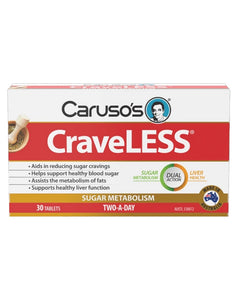
The Best OTC Appetite Suppressant Without Caffeine
When it comes to managing weight and controlling your appetite, finding the right over-the-counter (OTC) supplement can make a significant difference. For many individuals, caffeine can cause unwanted side effects such as jitteriness or sleep disturbances. If you’re looking for an effective appetite suppressant without caffeine, you’re in luck. There are several options available that can help you curb cravings and support your weight loss goals without the stimulating effects of caffeine.
Glucomannan
Glucomannan is a natural dietary fiber derived from the konjac plant. It has been shown to promote feelings of fullness and reduce overall food intake, making it an excellent appetite suppressant. Glucomannan works by absorbing water in the digestive tract, forming a gel-like substance that slows down digestion and promotes satiety.
Garcinia Cambogia
Garcinia Cambogia is a fruit extract that contains hydroxycitric acid (HCA), known for its appetite-suppressing properties. HCA may help increase serotonin levels in the brain, which can lead to reduced cravings and improved mood. Garcinia Cambogia is a popular choice for those looking to manage their appetite without caffeine.
Conjugated Linoleic Acid (CLA)
CLA is a fatty acid that has been studied for its potential benefits in weight management. While not a direct appetite suppressant, CLA may help reduce body fat and increase lean muscle mass, which can contribute to overall satiety and improved body composition.
5-HTP
5-HTP is a precursor to serotonin, a neurotransmitter that plays a crucial role in regulating mood and appetite. By increasing serotonin levels in the brain, 5-HTP may help decrease food intake and promote feelings of fullness without the use of caffeine.
Before incorporating any new supplement into your routine, it’s essential to consult with your healthcare provider to ensure it’s safe for you based on your individual health needs and any existing medical conditions.
Top 8 Caffeine-Free Appetite Suppressants: Expert Tips for Effective Use
- Look for appetite suppressants containing ingredients like glucomannan, 5-HTP, or green tea extract.
- Read the labels carefully to ensure the product is caffeine-free.
- Consult with a healthcare professional before starting any new supplement regimen.
- Stay hydrated throughout the day as dehydration can sometimes be mistaken for hunger.
- Focus on eating whole, nutrient-dense foods to help control your appetite naturally.
- Incorporate regular physical activity into your routine to support weight management goals.
- Get an adequate amount of sleep each night as lack of sleep can increase feelings of hunger.
- Consider keeping a food journal to track your eating habits and identify triggers for overeating.
Look for appetite suppressants containing ingredients like glucomannan, 5-HTP, or green tea extract.
When seeking the best OTC appetite suppressant without caffeine, consider products that include ingredients such as glucomannan, 5-HTP, or green tea extract. Glucomannan, a natural dietary fiber, promotes feelings of fullness and reduces food intake. 5-HTP acts as a precursor to serotonin, aiding in appetite regulation and mood enhancement. Green tea extract contains catechins that may help boost metabolism and support weight management. Opting for supplements with these beneficial ingredients can assist in curbing cravings and supporting your weight loss journey effectively.
Read the labels carefully to ensure the product is caffeine-free.
When searching for the best over-the-counter appetite suppressant without caffeine, it’s crucial to pay close attention to the product labels. Reading the labels carefully will help you ensure that the supplement is indeed caffeine-free. By checking the ingredients list and any relevant information provided on the packaging, you can make an informed decision and select a product that aligns with your specific dietary preferences and needs. This simple tip can help you avoid unwanted stimulant effects and find a suitable appetite suppressant that supports your weight management goals effectively.
Consult with a healthcare professional before starting any new supplement regimen.
It is crucial to consult with a healthcare professional before embarking on any new supplement regimen, especially when seeking the best OTC appetite suppressant without caffeine. A qualified healthcare provider can offer personalized guidance based on your individual health profile and ensure that the chosen supplement aligns with your specific needs and goals. By seeking professional advice, you can make informed decisions that prioritize your well-being and safety while working towards managing your appetite effectively.
Stay hydrated throughout the day as dehydration can sometimes be mistaken for hunger.
Staying hydrated throughout the day is a crucial tip when looking for the best OTC appetite suppressant without caffeine. Dehydration can often masquerade as hunger, leading to unnecessary snacking and overeating. By ensuring you drink an adequate amount of water daily, you can help differentiate between true hunger cues and thirst signals, ultimately supporting your efforts to manage your appetite effectively. Remember, keeping hydrated not only benefits your overall health but also plays a vital role in maintaining a balanced approach to eating.
Focus on eating whole, nutrient-dense foods to help control your appetite naturally.
By focusing on consuming whole, nutrient-dense foods, you can naturally control your appetite and support your weight management goals without the need for caffeine-based appetite suppressants. Whole foods such as fruits, vegetables, lean proteins, and whole grains provide essential nutrients and fiber that promote feelings of fullness and satisfaction. Incorporating these wholesome options into your diet can help regulate hunger levels, curb cravings, and contribute to a balanced and healthy eating routine.
Incorporate regular physical activity into your routine to support weight management goals.
Regular physical activity is a key component in supporting your weight management goals when using the best OTC appetite suppressant without caffeine. Exercise not only helps burn calories but also contributes to overall well-being and can enhance the effectiveness of appetite suppressants. By incorporating a mix of cardiovascular and strength training exercises into your routine, you can boost metabolism, improve muscle tone, and increase energy levels, all of which play a vital role in maintaining a healthy weight. Remember to consult with a healthcare provider or fitness professional to create a tailored exercise plan that aligns with your goals and health status.
Get an adequate amount of sleep each night as lack of sleep can increase feelings of hunger.
Getting an adequate amount of sleep each night is crucial when looking for the best OTC appetite suppressant without caffeine. Research has shown that a lack of sleep can disrupt the body’s hunger-regulating hormones, leading to increased feelings of hunger and cravings for high-calorie foods. By prioritizing quality sleep, you can support your weight management goals by helping to regulate your appetite and reduce the likelihood of overeating. Remember, a good night’s rest is not only beneficial for your energy levels and overall well-being but also plays a significant role in controlling your food intake.
Consider keeping a food journal to track your eating habits and identify triggers for overeating.
Consider keeping a food journal as a valuable tool when exploring the best OTC appetite suppressants without caffeine. By tracking your eating habits and identifying triggers for overeating, you can gain valuable insights into your relationship with food. A food journal can help you become more mindful of what you eat, when you eat, and why you eat, allowing you to make informed decisions about your diet and better understand your body’s hunger cues. This practice can complement the effects of appetite suppressants by promoting self-awareness and accountability in your weight management journey.