
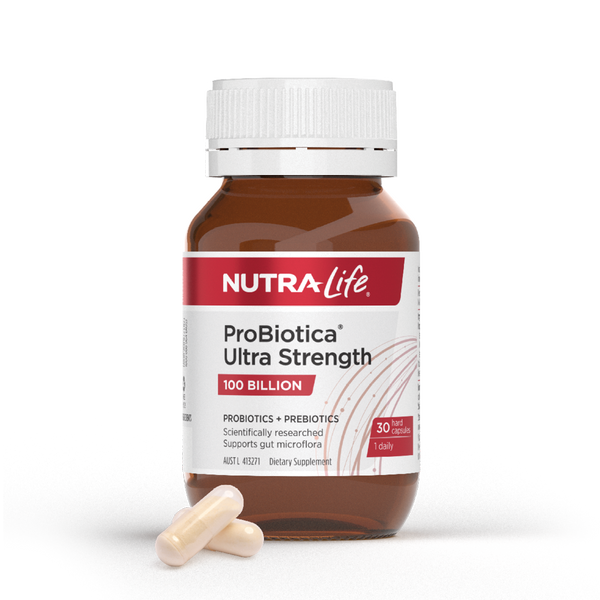
The Role of Probiotic Supplements in Weight Loss
Probiotics have gained significant attention in recent years for their potential benefits on gut health and overall well-being. But did you know that probiotic supplements may also play a role in weight loss?
Probiotics are live bacteria and yeasts that are beneficial for your digestive system. They help maintain a healthy balance of gut bacteria, which is essential for proper digestion and nutrient absorption. Research suggests that an imbalance in gut bacteria, known as dysbiosis, may contribute to weight gain and obesity.
How Probiotics Aid Weight Loss
Several studies have indicated that certain strains of probiotics can help with weight management. Here’s how probiotic supplements may support your weight loss efforts:
- Regulating Appetite: Probiotics can influence the production of hormones that control appetite, such as ghrelin and leptin. By modulating these hormones, probiotics may help reduce cravings and promote feelings of fullness.
- Improving Metabolism: Some probiotic strains have been shown to increase the production of short-chain fatty acids, which can enhance metabolism and energy expenditure. This could potentially aid in burning more calories.
- Reducing Inflammation: Chronic inflammation is linked to obesity and metabolic disorders. Probiotics have anti-inflammatory properties that may help reduce inflammation in the body, promoting overall health and potentially aiding in weight loss.
- Balancing Gut Microbiota: Maintaining a diverse and balanced gut microbiota is crucial for optimal digestion and metabolism. Probiotic supplements can help restore this balance by introducing beneficial bacteria into the gut.
Choosing the Right Probiotic Supplement
When considering probiotic supplements for weight loss, it’s essential to select products that contain strains known for their potential benefits on metabolism and digestion. Look for probiotics with Lactobacillus or Bifidobacterium strains, as these are commonly associated with improved gut health.
Additionally, opt for supplements with high colony-forming units (CFUs) to ensure you’re getting an adequate dose of beneficial bacteria. It’s also advisable to consult with a healthcare provider or nutritionist before starting any new supplement regimen to determine the most suitable option for your needs.
Incorporating Probiotics into Your Weight Loss Journey
While probiotic supplements can be a valuable addition to your weight loss strategy, they work best when combined with a healthy diet and regular exercise. Focus on consuming a variety of nutrient-dense foods, including sources of prebiotics (which feed beneficial gut bacteria) like fruits, vegetables, and whole grains.
In conclusion, probiotic supplements have the potential to support weight loss by promoting gut health, regulating appetite, improving metabolism, and reducing inflammation. By incorporating probiotics into your wellness routine alongside other healthy habits, you may experience enhanced results on your journey towards achieving a healthier weight.
Exploring Probiotic Supplements: Answers to 9 Common Questions on Weight Loss and Wellness
- 1. How do probiotic supplements help with weight loss?
- 2. What are the best probiotic strains for promoting weight loss?
- 3. Are probiotic supplements safe for long-term use?
- 4. Can probiotics reduce belly fat specifically?
- 5. How soon can I expect to see results from taking probiotic supplements for weight loss?
- 6. Do probiotics have any side effects when used for weight management?
- 7. Should I consult a healthcare provider before starting a probiotic supplement regimen for weight loss?
- 8. Are there specific dietary recommendations to enhance the effectiveness of probiotic supplements in aiding weight loss?
- 9. Can probiotics help with breaking through weight loss plateaus?
1. How do probiotic supplements help with weight loss?
Probiotic supplements may aid in weight loss through various mechanisms. These beneficial bacteria can regulate appetite by influencing the production of hormones that control hunger and satiety, potentially reducing cravings and promoting feelings of fullness. Additionally, certain probiotic strains have been linked to improved metabolism, as they can increase the production of short-chain fatty acids that enhance energy expenditure. By balancing gut microbiota and reducing inflammation, probiotics may also support overall digestive health and metabolic function, contributing to weight management efforts.
2. What are the best probiotic strains for promoting weight loss?
When considering probiotic supplements for weight loss, it’s essential to focus on specific strains that have shown potential benefits in promoting weight management. Some of the best probiotic strains for supporting weight loss include Lactobacillus gasseri, Lactobacillus rhamnosus, and Bifidobacterium lactis. These strains have been studied for their ability to regulate appetite, improve metabolism, and promote a healthy balance of gut bacteria. Incorporating probiotic supplements containing these beneficial strains into your daily routine may help enhance your weight loss efforts when combined with a balanced diet and regular exercise.
3. Are probiotic supplements safe for long-term use?
When considering the long-term use of probiotic supplements for weight loss, it is essential to understand that, in general, probiotics are considered safe for most individuals. However, the safety and efficacy of probiotic supplements can vary depending on factors such as the specific strains used, dosage, and individual health conditions. While many people can benefit from incorporating probiotics into their daily routine, it is advisable to consult with a healthcare provider before embarking on long-term supplementation. This professional guidance can help ensure that probiotic use aligns with your health goals and overall well-being, minimizing any potential risks associated with extended consumption.
4. Can probiotics reduce belly fat specifically?
Research suggests that probiotics may have the potential to reduce belly fat specifically. Certain strains of probiotics have been associated with improvements in metabolism and fat storage, which could contribute to a reduction in abdominal fat. By promoting a healthy balance of gut bacteria and influencing appetite-regulating hormones, probiotics may target visceral fat accumulation in the abdominal area. While individual results may vary, incorporating probiotic supplements as part of a comprehensive weight loss plan that includes a balanced diet and regular exercise may help in addressing stubborn belly fat. Consulting with a healthcare provider or nutritionist can provide personalized guidance on utilizing probiotics effectively for targeting belly fat.
5. How soon can I expect to see results from taking probiotic supplements for weight loss?
When it comes to taking probiotic supplements for weight loss, the timeline for seeing results can vary from person to person. While some individuals may notice changes in their digestion and overall well-being shortly after starting a probiotic regimen, it’s essential to remember that weight loss is a gradual process that requires consistency and patience. Factors such as the specific probiotic strains used, dosage, individual gut health, diet, and lifestyle habits all play a role in determining how quickly you may see results. It’s recommended to give your body time to adjust to the supplements and make sustainable lifestyle changes alongside their use for optimal benefits in your weight loss journey.
6. Do probiotics have any side effects when used for weight management?
When considering probiotics for weight management, it’s common to wonder about potential side effects. While probiotics are generally safe for most people, some individuals may experience mild digestive issues such as bloating, gas, or stomach upset when first introducing probiotic supplements. These symptoms are usually temporary and tend to resolve as the body adjusts to the new bacteria. It’s advisable to start with a low dose of probiotics and gradually increase intake to minimize any discomfort. As always, consulting with a healthcare provider before starting any new supplement regimen is recommended to ensure it aligns with your individual health needs and goals.
7. Should I consult a healthcare provider before starting a probiotic supplement regimen for weight loss?
It is highly recommended to consult a healthcare provider before starting a probiotic supplement regimen for weight loss. While probiotics are generally considered safe for most individuals, it’s essential to ensure that they are suitable for your specific health needs and goals. A healthcare provider can offer personalized advice based on your medical history, existing conditions, and any medications you may be taking. They can also help you select the right probiotic strains and dosage to maximize the potential benefits while minimizing any risks. Consulting a healthcare professional before incorporating probiotics into your weight loss plan can help ensure a safe and effective approach tailored to your individual requirements.
8. Are there specific dietary recommendations to enhance the effectiveness of probiotic supplements in aiding weight loss?
To enhance the effectiveness of probiotic supplements in aiding weight loss, specific dietary recommendations can be beneficial. Consuming a diet rich in prebiotic foods, such as fruits, vegetables, whole grains, and legumes, can provide the necessary nutrients to support the growth of beneficial gut bacteria introduced by probiotics. Additionally, reducing intake of processed foods high in sugar and unhealthy fats can help create a more favorable environment for probiotics to thrive. Maintaining a balanced and varied diet while staying hydrated can further optimize the impact of probiotic supplements on gut health and weight management.
9. Can probiotics help with breaking through weight loss plateaus?
Research suggests that probiotics may indeed play a role in breaking through weight loss plateaus. When individuals reach a weight loss plateau, where their progress stalls despite continued efforts, it could be due to various factors, including metabolic adaptations and hormonal changes. Probiotic supplements have been shown to influence appetite regulation, metabolism, and gut health, which are all key components in overcoming weight loss plateaus. By supporting a healthy balance of gut bacteria and promoting efficient digestion, probiotics may help individuals push past stagnant weight loss phases and continue towards their goals.