
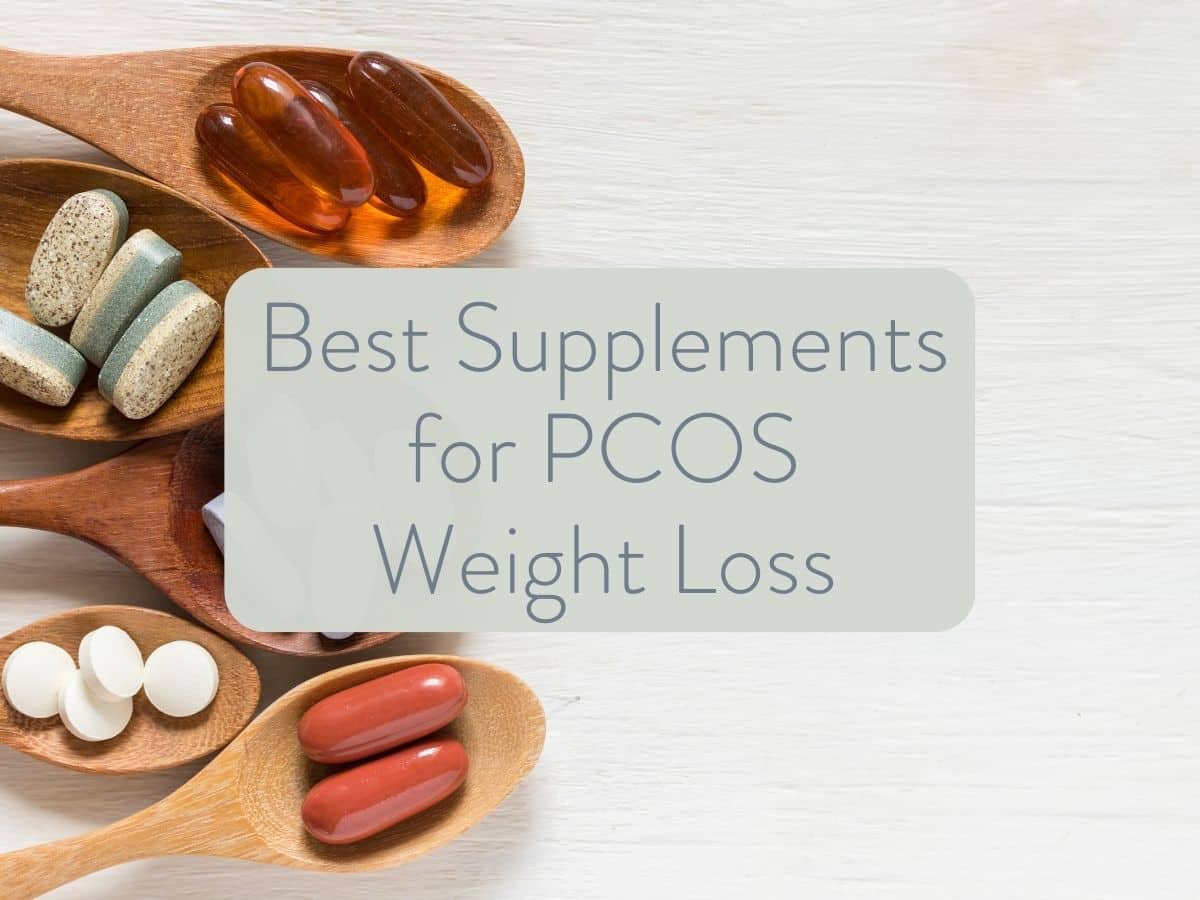
The Role of Vitamins and Supplements in Weight Loss
When it comes to weight loss, a balanced diet and regular exercise are key components. However, some people may consider adding vitamins and supplements to their routine to support their weight loss goals. While these supplements are not a magic solution, they can complement a healthy lifestyle and aid in achieving desired results.
Vitamins That Support Weight Loss
Several vitamins play a crucial role in metabolism and energy production, which are essential for weight management:
- Vitamin D: Research suggests that vitamin D deficiency may be linked to weight gain. Adequate levels of vitamin D can help regulate appetite and support fat loss.
- Vitamin B12: B12 is important for converting food into energy. It can boost metabolism and help the body burn fat more efficiently.
- Vitamin C: This antioxidant vitamin is known for its role in immune function but can also aid in weight loss by supporting the body’s fat-burning processes.
Popular Supplements for Weight Loss
In addition to vitamins, there are various supplements that are commonly used to assist with weight loss:
- Green Tea Extract: Green tea extract contains catechins that have been shown to increase metabolism and promote fat burning.
- Probiotics: Probiotics support gut health, which is linked to weight management. A healthy gut microbiome can improve digestion and nutrient absorption.
- Caffeine: Caffeine is a natural stimulant that can boost metabolism and enhance exercise performance, potentially leading to increased calorie burn.
Consult with a Healthcare Professional
Before incorporating any vitamins or supplements into your weight loss regimen, it’s crucial to consult with a healthcare professional or a dietitian. They can provide personalized advice based on your individual needs, health status, and any existing medical conditions.
Remember that while vitamins and supplements can be beneficial when used appropriately, they should not replace a healthy diet or lifestyle. Consistency with nutritious eating habits and regular physical activity remains the foundation for sustainable weight loss.
Enhancing Weight Loss: The Role of Vitamins and Supplements in Boosting Metabolism and Supporting Health
- Vitamins and supplements can complement a healthy diet and exercise routine, enhancing weight loss efforts.
- Certain vitamins like Vitamin D and B12 play a crucial role in metabolism, supporting the body’s ability to burn fat.
- Supplements such as green tea extract and probiotics have been linked to increased metabolism and improved gut health, aiding in weight management.
- Vitamins and supplements can provide essential nutrients that may be lacking in a person’s diet, promoting overall health while targeting weight loss.
- Some supplements like caffeine can boost energy levels, potentially improving exercise performance and calorie burn during workouts.
- Consulting with a healthcare professional before starting any new supplement regimen ensures safety and personalized guidance for effective weight loss strategies.
Six Concerns About Vitamins and Supplements for Weight Loss: From Regulation Gaps to Overconsumption Risks
- 1. Lack of Regulation
- 2. Side Effects
- 3. Dependency
- 4. False Claims
- 5. Costly Investment
- 6. Overconsumption Risk
Vitamins and supplements can complement a healthy diet and exercise routine, enhancing weight loss efforts.
Vitamins and supplements offer a valuable advantage by complementing a balanced diet and regular exercise regimen, thereby amplifying weight loss endeavors. When used wisely, these supplements can provide additional support to the body’s natural processes, aiding in achieving desired weight loss goals. By incorporating vitamins and supplements into a holistic approach to health and wellness, individuals can optimize their efforts towards a healthier lifestyle.
Certain vitamins like Vitamin D and B12 play a crucial role in metabolism, supporting the body’s ability to burn fat.
Certain vitamins such as Vitamin D and B12 are essential for metabolism, playing a vital role in supporting the body’s ability to burn fat efficiently. Vitamin D helps regulate appetite and can aid in fat loss, while Vitamin B12 is crucial for converting food into energy, boosting metabolism, and enhancing the body’s fat-burning processes. Including these key vitamins in your diet can contribute to a more effective weight loss journey by supporting your body’s metabolic functions.
Supplements such as green tea extract and probiotics have been linked to increased metabolism and improved gut health, aiding in weight management.
Supplements like green tea extract and probiotics offer a notable advantage in the realm of weight loss. Green tea extract has been associated with boosting metabolism and promoting fat burning, while probiotics contribute to enhanced gut health. By improving metabolism and supporting a healthy gut microbiome, these supplements play a vital role in weight management efforts, offering individuals valuable support on their journey towards achieving their desired weight goals.
Vitamins and supplements can provide essential nutrients that may be lacking in a person’s diet, promoting overall health while targeting weight loss.
Vitamins and supplements offer a significant advantage in weight loss by providing essential nutrients that individuals may be deficient in due to their diet. By filling these nutritional gaps, these supplements not only support overall health but also specifically target weight loss goals. Ensuring the body receives adequate vitamins and minerals can enhance metabolism, energy levels, and the body’s ability to burn fat efficiently, ultimately contributing to a healthier and more effective weight loss journey.
Some supplements like caffeine can boost energy levels, potentially improving exercise performance and calorie burn during workouts.
Some supplements, such as caffeine, have the potential to enhance energy levels, leading to improved exercise performance and increased calorie burn during workouts. Caffeine is known for its stimulating effects, which can help individuals feel more energized and focused during physical activity. By boosting energy levels, caffeine may support greater endurance and intensity in workouts, ultimately aiding in the overall calorie-burning process. It can be a valuable tool for those looking to maximize their exercise potential and achieve their weight loss goals effectively.
Consulting with a healthcare professional before starting any new supplement regimen ensures safety and personalized guidance for effective weight loss strategies.
Consulting with a healthcare professional before starting any new supplement regimen ensures safety and personalized guidance for effective weight loss strategies. A healthcare professional can assess your individual health needs, existing medical conditions, and potential interactions with medications to tailor a supplement plan that is safe and suitable for you. Their expertise can help you navigate the vast array of vitamins and supplements available, ensuring that you make informed choices that align with your weight loss goals while prioritizing your overall well-being. By seeking professional advice, you can embark on your weight loss journey with confidence and peace of mind.
1. Lack of Regulation
In the realm of weight loss, a significant drawback of vitamins and supplements lies in the lack of regulation within the industry. Unlike pharmaceuticals, these products are not subjected to the same rigorous oversight, resulting in inconsistencies in both quality and effectiveness. This lack of regulation raises concerns about the reliability and safety of certain supplements, making it challenging for consumers to discern which products are truly beneficial for their weight loss journey.
2. Side Effects
Some supplements may cause adverse reactions or interact with medications, especially if taken in high doses. It’s important to be cautious when considering vitamins and supplements for weight loss, as certain products may have side effects that can impact your health. Before incorporating any new supplement into your routine, it is advisable to consult with a healthcare professional to ensure its safety and compatibility with any existing medications you may be taking. Prioritizing your health and well-being by being informed about potential side effects is essential when exploring options for weight loss support through supplementation.
3. Dependency
Relying too heavily on supplements for weight loss can lead to dependency and detract from the significance of maintaining a balanced diet. While supplements can be helpful aids, they should not be seen as a substitute for wholesome nutrition. Depending solely on supplements may overlook the essential nutrients and benefits that come from a diverse and balanced diet. It is crucial to view supplements as complementary to a healthy lifestyle rather than the primary solution for weight management, ensuring that overall health and well-being are prioritized in the weight loss journey.
4. False Claims
In the realm of vitamins and supplements for weight loss, a significant drawback is the prevalence of false claims. Numerous products in the market boast exaggerated benefits for shedding pounds without substantial scientific backing to validate their assertions. This misleading advertising can misguide consumers into investing in products that may not deliver the promised results, leading to disappointment and potential health risks. It’s essential for individuals seeking weight loss support through supplements to exercise caution, conduct thorough research, and consult trusted healthcare professionals to navigate through the sea of false claims and make informed decisions about their well-being.
5. Costly Investment
Purchasing vitamins and supplements regularly can become a costly investment over time, potentially straining one’s budget. While the allure of quick weight loss results may be tempting, the financial burden of consistently buying these products without guaranteed outcomes is a significant con to consider. Despite the marketing promises, the expense of these supplements may not always align with the actual benefits received, making it essential for individuals to weigh the cost-effectiveness of such purchases against their weight loss goals and overall financial well-being.
6. Overconsumption Risk
Excessive intake of certain vitamins or minerals through supplementation can pose a significant risk of toxicity and adverse health effects. Overconsumption of these nutrients, often driven by the misconception that “more is better,” can result in serious health complications. For instance, high doses of fat-soluble vitamins like Vitamin A, D, E, and K can accumulate in the body over time, leading to toxicity symptoms such as nausea, fatigue, and even organ damage. It is essential to be cautious and seek guidance from healthcare professionals to avoid the potential harm associated with overconsumption of vitamins and supplements for weight loss.