
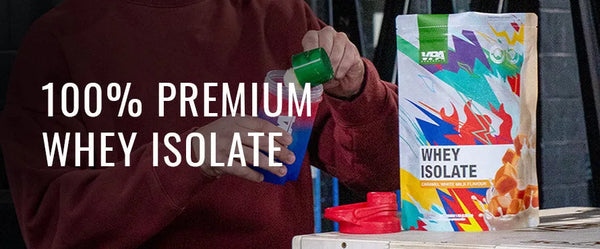
The Role of Whey Protein in Fat Loss
Whey protein is a popular dietary supplement known for its muscle-building properties, but its benefits extend beyond just building lean muscle. Research has shown that whey protein can also be a valuable tool in promoting fat loss when combined with a healthy diet and regular exercise.
How Does Whey Protein Aid in Fat Loss?
One of the key ways whey protein supports fat loss is by increasing satiety, or the feeling of fullness. Consuming whey protein can help reduce hunger and cravings, making it easier to stick to a calorie-controlled diet. This can lead to a decrease in overall caloric intake, which is essential for weight loss.
Additionally, whey protein has a high thermic effect, meaning that the body expends more energy to digest and metabolise it compared to other macronutrients. This increase in energy expenditure can contribute to a higher metabolic rate, potentially aiding in fat burning.
Combining Whey Protein with Exercise
Incorporating whey protein into your post-workout routine can be particularly beneficial for fat loss. Consuming whey protein after exercise helps support muscle recovery and growth while also promoting fat oxidation. This combination of muscle-building and fat-burning effects can help improve body composition over time.
Choosing the Right Whey Protein Supplement
When selecting a whey protein supplement for fat loss, opt for products that are low in added sugars and artificial ingredients. Look for high-quality whey protein isolates or concentrates that provide ample protein content per serving without unnecessary additives.
Final Thoughts
While whey protein alone is not a magic solution for fat loss, incorporating it into a well-rounded diet and exercise plan can enhance your efforts towards achieving your weight loss goals. Remember that consistency and balance are key when using any dietary supplement as part of your health and fitness regimen.
Effective Ways to Use Whey Protein for Fat Loss: 6 Essential Tips
- Include whey protein in your diet to increase feelings of fullness and reduce overall calorie intake.
- Consume whey protein before or after workouts to support muscle recovery and promote fat loss.
- Choose a high-quality whey protein powder with minimal added sugars and artificial ingredients.
- Incorporate whey protein into balanced meals and snacks to help maintain muscle mass while losing fat.
- Stay hydrated when consuming whey protein to support digestion and overall weight loss efforts.
- Consult with a healthcare professional or nutritionist to determine the right amount of whey protein for your fat loss goals.
Include whey protein in your diet to increase feelings of fullness and reduce overall calorie intake.
Including whey protein in your diet can be a beneficial strategy for those aiming to reduce body fat. By incorporating whey protein into your meals or snacks, you can experience increased feelings of fullness, which may help curb cravings and prevent overeating. This satiating effect can lead to a reduction in overall calorie intake, supporting weight loss efforts when combined with a balanced diet and regular physical activity.
Consume whey protein before or after workouts to support muscle recovery and promote fat loss.
Consuming whey protein before or after workouts can be a strategic approach to support muscle recovery and enhance fat loss efforts. By providing essential amino acids to the muscles during the post-exercise recovery period, whey protein helps facilitate muscle repair and growth. Additionally, the thermic effect of whey protein can aid in boosting metabolism, potentially contributing to increased fat burning. Incorporating whey protein around workout sessions can optimize nutrient timing for improved body composition and overall fitness goals.
Choose a high-quality whey protein powder with minimal added sugars and artificial ingredients.
When aiming to utilise whey protein for fat loss, it is crucial to select a premium-quality whey protein powder that is low in added sugars and artificial additives. Opting for a high-quality whey protein supplement ensures that you are consuming a product that prioritises purity and effectiveness. By minimising added sugars and artificial ingredients, you can focus on the essential benefits of whey protein in supporting your fat loss goals without unnecessary additives that may hinder your progress.
Incorporate whey protein into balanced meals and snacks to help maintain muscle mass while losing fat.
When aiming to lose fat while preserving muscle mass, incorporating whey protein into balanced meals and snacks can be a strategic approach. Whey protein’s high-quality amino acid profile supports muscle maintenance and growth, making it a valuable addition to a weight loss regimen. By including whey protein in regular meals and snacks, individuals can help ensure they are meeting their protein needs while creating a calorie deficit for fat loss. This balanced approach can promote satiety, aid in muscle preservation, and contribute to overall body composition improvements during the weight loss journey.
Stay hydrated when consuming whey protein to support digestion and overall weight loss efforts.
Staying hydrated when consuming whey protein is crucial for supporting digestion and enhancing overall weight loss efforts. Adequate hydration helps the body efficiently process and absorb nutrients from whey protein, ensuring optimal digestion and utilization of its benefits for fat loss. By maintaining proper hydration levels, you not only support your body’s digestive functions but also promote a more effective metabolism, ultimately aiding in your journey towards achieving your weight loss goals.
Consult with a healthcare professional or nutritionist to determine the right amount of whey protein for your fat loss goals.
It is essential to consult with a healthcare professional or nutritionist to determine the appropriate amount of whey protein to support your fat loss goals effectively. These experts can assess your individual needs, health status, and weight loss objectives to provide personalised guidance on incorporating whey protein into your diet optimally. By seeking professional advice, you can ensure that you are consuming the right amount of whey protein to maximise its benefits for fat loss while maintaining a balanced and sustainable approach to achieving your desired results.