
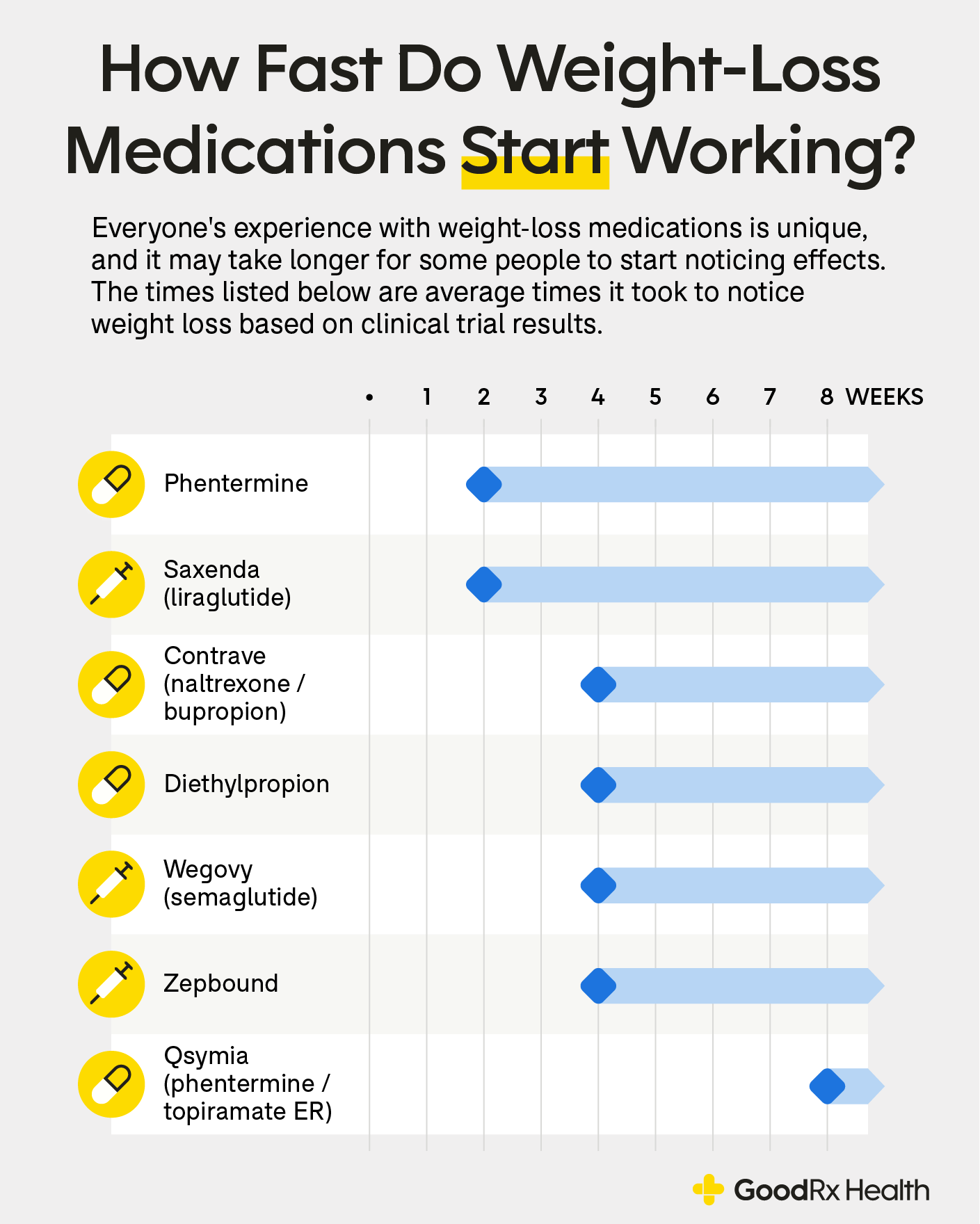
The Lowdown on Prescription Weight Loss Medications
Struggling to shed those stubborn kilos despite your best efforts with diet and exercise? For some individuals, prescription weight loss medications may offer a viable solution. These medications are designed to assist in weight management by either suppressing appetite, increasing metabolism, or reducing fat absorption. However, before considering these options, it’s crucial to understand the ins and outs of prescription weight loss meds.
How Prescription Weight Loss Medications Work
Prescription weight loss medications work in various ways to help individuals lose weight. Some medications function as appetite suppressants, making you feel full sooner and reducing the urge to overeat. Others work by increasing metabolism or altering how the body absorbs nutrients, leading to fewer calories being stored as fat.
Types of Prescription Weight Loss Medications
There are several types of prescription weight loss medications available, each with its unique mechanisms and potential side effects. Common examples include:
- Phentermine: A stimulant that suppresses appetite.
- Orlistat: Inhibits the absorption of dietary fats.
- Lorcaserin: Acts on serotonin receptors in the brain to promote a feeling of fullness.
Considerations Before Using Prescription Weight Loss Medications
Prior to starting any prescription weight loss medication, it’s essential to consult with a healthcare provider. These medications are typically recommended for individuals with a BMI over 30 or those with a BMI over 27 who have obesity-related health conditions. Additionally, it’s crucial to be aware of potential side effects and interactions with other medications you may be taking.
The Importance of Lifestyle Changes
While prescription weight loss medications can be effective tools in managing weight, they are most successful when combined with healthy lifestyle changes. Incorporating regular exercise, balanced nutrition, and behavioural modifications can enhance the efficacy of these medications and support long-term weight management goals.
Final Thoughts
Prescription weight loss medications can be beneficial for individuals struggling to lose weight through traditional methods alone. However, they should always be used under medical supervision and in conjunction with lifestyle modifications for optimal results. Remember that sustainable weight loss is a journey that requires commitment and holistic care – including both medical interventions and healthy habits.
If you’re considering prescription weight loss medications, speak with your healthcare provider to determine if they are a suitable option for you based on your individual health needs and goals.
Understanding Prescription Weight Loss Medications: Common Questions Answered
- What are the most common prescription weight loss medications?
- How do prescription weight loss medications work?
- What are the potential side effects of prescription weight loss meds?
- Who is a suitable candidate for prescription weight loss medications?
- Are lifestyle changes necessary when taking prescription weight loss medications?
What are the most common prescription weight loss medications?
When it comes to prescription weight loss medications, some of the most common options include Phentermine, Orlistat, and Lorcaserin. Phentermine is a stimulant that helps suppress appetite, while Orlistat works by inhibiting the absorption of dietary fats. Lorcaserin acts on serotonin receptors in the brain to promote a feeling of fullness. These medications are often prescribed to individuals with a BMI over 30 or those with a BMI over 27 who have obesity-related health conditions. It’s important to consult with a healthcare provider to determine the most suitable prescription weight loss medication based on individual health needs and goals.
How do prescription weight loss medications work?
Prescription weight loss medications work through a variety of mechanisms to assist individuals in their weight management journey. These medications may act as appetite suppressants, helping to curb cravings and reduce overall food intake. Some prescription weight loss meds work by increasing metabolism, thereby burning more calories even at rest. Others may interfere with the body’s ability to absorb fats from the diet, leading to reduced calorie intake. Understanding how these medications function is essential in determining their suitability for individual weight loss goals and overall health.
What are the potential side effects of prescription weight loss meds?
When it comes to prescription weight loss medications, understanding the potential side effects is crucial for making informed decisions about your health. While these medications can be effective in aiding weight loss, they may also come with risks. Common side effects of prescription weight loss meds can include nausea, diarrhoea, constipation, dry mouth, dizziness, and insomnia. It’s important to note that individual reactions to these medications can vary, and some people may experience more severe side effects. Before starting any prescription weight loss medication, it’s advisable to consult with a healthcare provider to discuss the potential risks and benefits based on your personal health profile.
Who is a suitable candidate for prescription weight loss medications?
Individuals who may be suitable candidates for prescription weight loss medications are typically those with a body mass index (BMI) of 30 or higher, indicating obesity, or individuals with a BMI of 27 or higher who have obesity-related health conditions. Before considering these medications, it is essential to consult with a healthcare provider to assess your overall health status, medical history, and weight loss goals. Your healthcare provider will evaluate whether prescription weight loss medications are appropriate for you based on your individual circumstances and the potential benefits and risks associated with these medications.
Are lifestyle changes necessary when taking prescription weight loss medications?
When considering prescription weight loss medications, it’s common to wonder about the necessity of lifestyle changes. While these medications can assist in weight management, they are most effective when combined with healthy lifestyle modifications. Lifestyle changes such as adopting a balanced diet, engaging in regular physical activity, and cultivating positive behavioural habits play a crucial role in achieving sustainable weight loss goals. By integrating these changes alongside prescription weight loss medications, individuals can enhance the effectiveness of the medication and improve their overall health and well-being in the long term.