
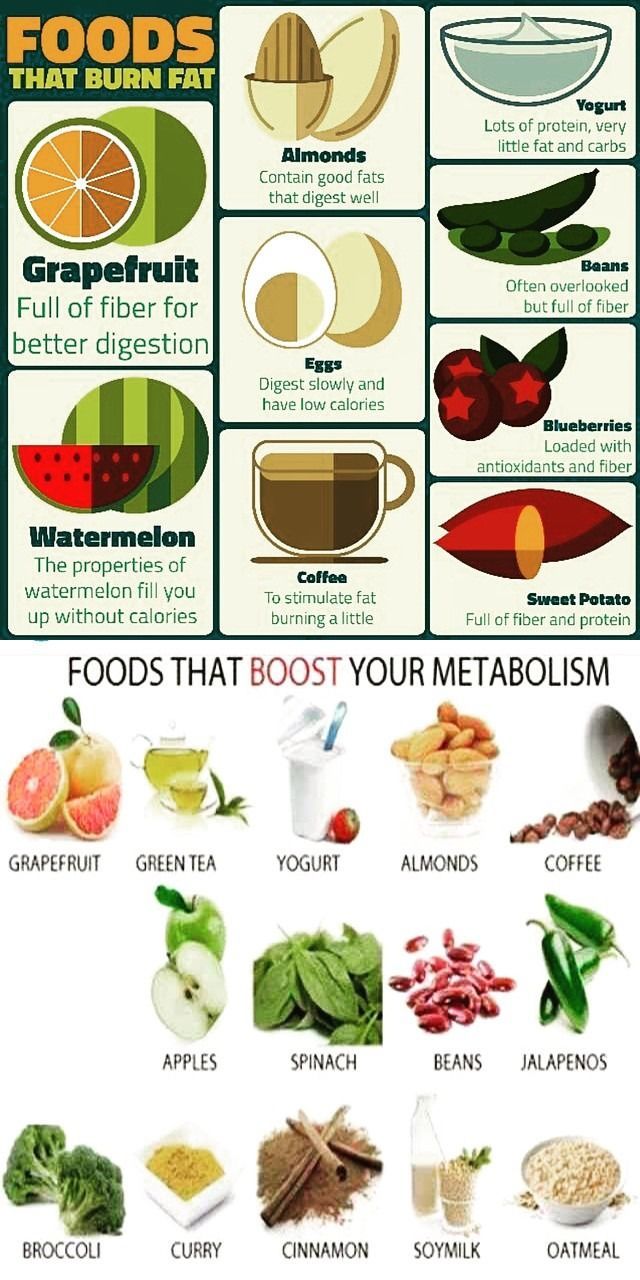
The Power of Good Metabolism Boosters
Metabolism plays a crucial role in our body’s ability to convert food into energy. A faster metabolism not only aids in weight management but also contributes to overall health and vitality. If you’re looking to boost your metabolism naturally, here are some effective strategies and foods that can help:
Stay Hydrated
Water is essential for a healthy metabolism. Drinking an adequate amount of water helps your body function optimally and supports the metabolic processes that convert food into energy.
Incorporate Protein-Rich Foods
Protein requires more energy to digest compared to fats or carbohydrates, which can help boost your metabolism. Include sources of lean protein such as chicken, fish, tofu, and legumes in your diet.
Embrace Strength Training
Building muscle through strength training exercises can increase your resting metabolic rate. Muscle tissue burns more calories at rest than fat tissue, so incorporating strength training into your fitness routine is beneficial for boosting metabolism.
Spice Up Your Meals
Certain spices like cayenne pepper, ginger, and turmeric have thermogenic properties that can temporarily increase metabolism after consumption. Adding these spices to your meals not only enhances flavour but also provides a metabolism-boosting effect.
Get Sufficient Sleep
Lack of sleep can disrupt hormone levels related to metabolism and appetite regulation. Aim for 7-9 hours of quality sleep each night to support optimal metabolic function.
Green Tea Benefits
Green tea contains catechins and caffeine, which have been shown to enhance thermogenesis and fat oxidation, leading to a modest increase in metabolic rate. Enjoy a cup of green tea as a refreshing way to boost your metabolism.
Incorporating these strategies into your lifestyle can help support a healthy metabolism and improve overall well-being. Remember that individual responses may vary, so it’s essential to find what works best for you through experimentation and consistency.
Frequently Asked Questions: Understanding and Enhancing Metabolism Naturally
- What are metabolism boosters?
- How can I naturally boost my metabolism?
- Do certain foods help in boosting metabolism?
- Is regular exercise important for increasing metabolism?
- Are there any specific vitamins or supplements that can aid in boosting metabolism?
- Does drinking water affect metabolism?
- Can lifestyle factors like sleep and stress impact metabolism?
What are metabolism boosters?
Metabolism boosters are substances, foods, or activities that can help increase the body’s metabolic rate, which is the rate at which your body burns calories to produce energy. These boosters can include certain foods like protein-rich sources and spices with thermogenic properties, as well as activities such as strength training exercises. By incorporating metabolism boosters into your lifestyle, you may support a faster metabolism, which can aid in weight management and overall health. It’s important to note that individual responses to metabolism boosters may vary, and it’s advisable to consult with a healthcare professional before making significant changes to your diet or exercise routine.
How can I naturally boost my metabolism?
To naturally boost your metabolism, consider incorporating simple yet effective strategies into your daily routine. Start by staying hydrated with plenty of water, as dehydration can slow down metabolic processes. Including protein-rich foods in your diet can also help, as protein requires more energy to digest, thereby boosting metabolism. Engaging in regular strength training exercises to build muscle can increase your resting metabolic rate. Additionally, spices like cayenne pepper and ginger have thermogenic properties that can temporarily elevate metabolism. Prioritising quality sleep and enjoying a cup of green tea for its metabolism-boosting benefits are other natural ways to support a healthy metabolism. By making these small lifestyle adjustments, you can enhance your body’s ability to convert food into energy efficiently and promote overall well-being.
Do certain foods help in boosting metabolism?
Certain foods can indeed help boost metabolism. Foods rich in protein, such as lean meats, fish, eggs, and legumes, require more energy to digest, which can temporarily increase metabolic rate. Additionally, spicy foods like cayenne pepper and ginger have thermogenic properties that can enhance metabolism. Green tea is another popular choice known for its metabolism-boosting benefits due to compounds like catechins and caffeine. While these foods can provide a slight metabolic boost, it’s essential to maintain a balanced diet and incorporate other lifestyle factors like exercise and sufficient sleep for overall metabolic health.
Is regular exercise important for increasing metabolism?
Regular exercise is undeniably crucial for increasing metabolism. Physical activity not only burns calories during the workout but also boosts metabolism in the long term by building lean muscle mass. Muscle tissue requires more energy at rest than fat tissue, so regular exercise, especially strength training, can help elevate your resting metabolic rate. Additionally, aerobic exercises like running, cycling, or swimming can further enhance metabolism by promoting cardiovascular health and improving overall fitness levels. Therefore, incorporating a consistent exercise routine into your lifestyle is a powerful way to support a healthy metabolism and achieve your wellness goals.
Are there any specific vitamins or supplements that can aid in boosting metabolism?
When it comes to boosting metabolism, certain vitamins and supplements can play a supportive role in enhancing metabolic function. For example, vitamin B-complex vitamins, such as B12 and B6, are known to help convert food into energy and support metabolic processes. Additionally, minerals like iron and magnesium are essential for metabolic function. Some people also find that supplements like green tea extract, caffeine, or L-carnitine may have a modest impact on metabolism. However, it’s important to consult with a healthcare provider before incorporating any new vitamins or supplements into your routine to ensure they align with your individual health needs and goals.
Does drinking water affect metabolism?
Drinking water plays a significant role in metabolism. Staying hydrated is crucial for supporting the body’s metabolic processes, including the conversion of food into energy. Research suggests that drinking water can temporarily boost metabolism by increasing the body’s energy expenditure. Additionally, water helps flush out toxins and waste products from the body, promoting overall metabolic efficiency. Ensuring adequate hydration levels is a simple yet effective way to support a healthy metabolism and maintain optimal bodily functions.
Can lifestyle factors like sleep and stress impact metabolism?
Lifestyle factors such as sleep and stress can indeed have a significant impact on metabolism. Adequate sleep is crucial for regulating hormones that control appetite and energy expenditure, thus influencing metabolic rate. Chronic stress can lead to the release of cortisol, a hormone that may disrupt metabolism and promote fat storage. By prioritizing quality sleep and managing stress levels through relaxation techniques or mindfulness practices, individuals can positively influence their metabolism and overall health. It’s essential to recognise the interconnectedness of lifestyle choices with metabolic function to support a balanced and efficient metabolism.