
Top Appetite Suppressant: What Works, What’s Safe and What to Know
Searching for the top appetite suppressant can bring up prescription medicines, supplements and simple food-based strategies. There is no single option that suits everyone. The right approach depends on your health, medicines, goals and the reasons you feel hungry.
It’s also worth knowing that appetite suppressants are not a shortcut to lasting weight management. Some prescription medicines may help eligible people when used under medical supervision, while many over-the-counter products have limited evidence. Sustainable changes to eating, activity, sleep and health support remain important.
What is an appetite suppressant?
An appetite suppressant is a medicine, product or strategy intended to reduce hunger or help someone feel full for longer. Different options work in different ways. Some affect appetite-related signals in the body; others may increase fullness by adding volume or slowing digestion.
Prescription medicines
Some prescription medicines can support weight management for people who meet specific clinical criteria. The choice depends on factors such as a person’s health history, other medicines and potential risks. These medicines require assessment and follow-up with a qualified health professional, and they are not suitable for everyone.
Prescription treatments can have side effects and may interact with other medicines. Do not take a medicine prescribed for someone else, change a dose without advice or buy prescription-only products from unverified websites. A GP or pharmacist can explain what is appropriate and whether monitoring is needed.
Do over-the-counter appetite suppressant supplements work?
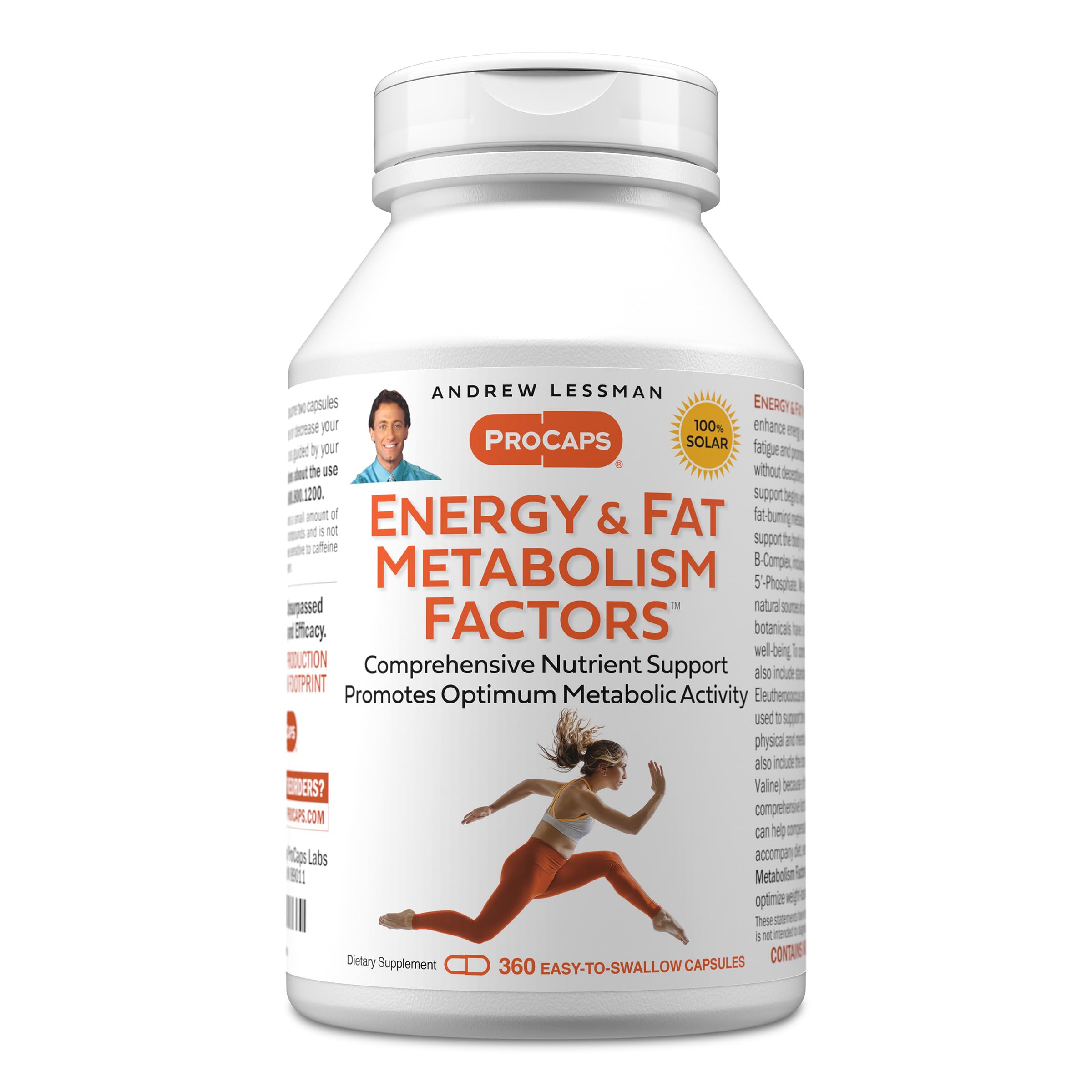
Many supplements are marketed as “fat burners” or appetite suppressants, but evidence for their effectiveness is often limited. Ingredients such as caffeine, green tea extract or herbal blends may be promoted for weight loss, yet results can be uncertain and side effects are possible. “Natural” does not automatically mean safe.
In Australia, check medicines and therapeutic products with reliable sources, such as the Therapeutic Goods Administration (TGA). Be cautious of products promising rapid weight loss, claiming to work without diet or activity changes, or hiding their full ingredient list. Products purchased from overseas websites may not meet Australian requirements.
Food and lifestyle strategies that may help with fullness
For many people, practical eating habits can support a more comfortable appetite. Consider discussing these approaches with an accredited practising dietitian or another health professional:
- Include protein at meals: Foods such as eggs, legumes, fish, yoghurt, tofu and lean meats can contribute to fullness.
- Choose high-fibre foods: Vegetables, fruit, wholegrains, nuts and legumes can add volume and support digestive health. Increase fibre gradually and drink enough fluid.
- Eat regular, balanced meals: Skipping meals may leave some people overly hungry later in the day.
- Notice eating patterns: Slowing down and paying attention to hunger and fullness cues may help you understand what suits you.
- Prioritise sleep and stress support: Poor sleep and stress can affect appetite and eating habits.
These strategies are not a substitute for medical care. Persistent or unusual changes in appetite can sometimes be linked to health conditions, medicines, mood or other factors.
How to choose a safe option
Before starting an appetite suppressant or weight-loss supplement, consider these steps:
- Talk with a GP, pharmacist or accredited practising dietitian about your goals and health history.
- Ask what evidence supports the option, what side effects to watch for and how success will be reviewed.
- Check whether it could interact with your medicines or affect an existing health condition.
- Avoid products with unrealistic claims, unclear ingredients or pressure to buy quickly.
When to seek professional advice
Speak with a health professional before using an appetite suppressant, particularly if you are pregnant or breastfeeding, have a long-term health condition, take regular medicines or have a history of disordered eating. Seek advice promptly if a product causes concerning symptoms.
The bottom line
The top appetite suppressant is not necessarily a pill. For some people, a clinician may recommend a prescription treatment as part of a broader plan. For others, food choices and supportive lifestyle changes may be more appropriate. Because benefits and risks vary, get personalised advice before taking a medicine or supplement for appetite control.
This article is general information only and is not a substitute for medical advice, diagnosis or treatment.
7 Tips to Manage Your Appetite Safely
- Prioritise protein at meals to help you feel fuller for longer.
- Choose high-fibre foods such as vegetables, beans and whole grains.
- Drink water regularly; thirst can sometimes feel like hunger.
- Eat slowly and check in with your hunger and fullness cues.
- Get enough sleep, as poor sleep can affect appetite.
- Be cautious with supplements marketed as appetite suppressants; evidence and safety vary.
- Ask a GP or pharmacist before using prescription appetite medicines or supplements.
Prioritise protein at meals to help you feel fuller for longer.
Prioritising protein at meals may help you feel fuller for longer and make it easier to manage hunger between meals. Include a source that suits you, such as eggs, fish, chicken, tofu, legumes, nuts or yoghurt, alongside vegetables and wholegrain foods. Protein needs vary, so speak with a GP or accredited practising dietitian for advice tailored to your health and dietary needs.
Choose high-fibre foods such as vegetables, beans and whole grains.
Choose high-fibre foods such as vegetables, beans and whole grains to help make meals more satisfying and keep you feeling fuller for longer. Add fibre gradually, and drink plenty of water to support digestion. Fibre-rich foods can be part of a balanced eating pattern, but they are not a quick fix or a substitute for personalised health advice.
Drink water regularly; thirst can sometimes feel like hunger.
Drink water regularly throughout the day, as thirst can sometimes be mistaken for hunger. Keeping a water bottle nearby may help you remember to sip, particularly in warm weather or after exercise. Water isn’t an appetite suppressant or a replacement for meals, but staying hydrated can support your overall wellbeing.
Eat slowly and check in with your hunger and fullness cues.
Eating slowly can give your body more time to register fullness, which may help you notice when you’ve had enough. Try putting your utensils down between bites and checking in with your hunger and fullness cues during the meal. This gentle habit won’t suppress appetite like a medicine, but it can support more mindful eating without strict rules.
Get enough sleep, as poor sleep can affect appetite.
Getting enough quality sleep can support appetite regulation. Poor or disrupted sleep may affect the hormones and signals involved in hunger and fullness, which can leave you feeling hungrier or make food choices harder to manage. Aim for a regular sleep routine and a comfortable wind-down before bed; if sleep problems persist, speak with a health professional.
Be cautious with supplements marketed as appetite suppressants; evidence and safety vary.
Be cautious with supplements marketed as appetite suppressants, as evidence for their effectiveness and safety can vary. “Natural” ingredients aren’t necessarily risk-free, and some products may cause side effects or interact with medicines. Check the ingredients and seek advice from a GP or pharmacist before trying a supplement, especially if you have a health condition, take medication, are pregnant or breastfeeding.
Ask a GP or pharmacist before using prescription appetite medicines or supplements.
Before using prescription appetite medicines or weight-loss supplements, speak with a GP or pharmacist. They can help you understand whether a product is suitable for your health needs, explain possible side effects and check for interactions with medicines you already take. This is especially important if you have a health condition, are pregnant or breastfeeding, or are unsure about a product’s ingredients or safety.