
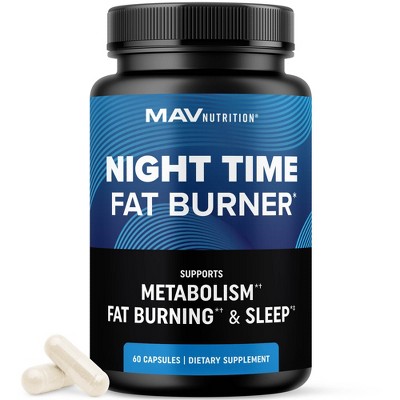
Hunger Suppression Pills: What to Know Before You Try Them
Hunger suppression pills are marketed as a way to reduce appetite, feel fuller or make weight loss easier. They range from prescription medicines to over-the-counter supplements, and they do not all work in the same way. Some may have a role in weight management for certain people, but none is risk-free or a substitute for appropriate medical advice.
If you’re considering a product to help with appetite or weight, speak with a GP or pharmacist first. They can help you understand what the evidence says, check for interactions and decide whether treatment is suitable for you.
What are hunger suppression pills?
“Hunger suppression pill” is a marketing term, rather than a single type of medicine. Products sold under this label may:
- affect appetite or feelings of fullness;
- contain stimulants that may affect energy and appetite;
- add fibre, which may help some people feel fuller; or
- claim to block fat or carbohydrate absorption, which is different from suppressing hunger.
Prescription weight-management medicines are assessed and monitored by health professionals. Some medicines can influence appetite, while others work through different processes. Not every weight-loss medicine is a pill, and some treatments are only appropriate for particular people.
Do they work?
Results depend on the product, the person and the wider treatment plan. Evidence for prescription medicines varies, and they are generally considered alongside nutrition, physical activity, sleep and other health factors. They may not be suitable for everyone, and weight can change again after treatment stops.
Evidence for many non-prescription “fat burners” and appetite-suppressing supplements is limited. A product’s advertising, testimonials or “natural” label does not prove that it is effective or safe.
Possible risks and side effects
Side effects vary by ingredient and can include nausea, constipation or diarrhoea, headaches, sleep problems, anxiety, a raised heart rate or increased blood pressure. Prescription medicines can also have important warnings and may interact with other medicines or health conditions.
Be particularly cautious with products that contain stimulants, list vague or proprietary ingredients, promise rapid weight loss, or claim to have no side effects. Don’t combine appetite suppressants or weight-loss products unless a health professional has checked that it is safe. If you experience severe or concerning symptoms, seek medical advice promptly.
Buying products in Australia
In Australia, check whether a therapeutic product is included on the Australian Register of Therapeutic Goods (ARTG), and follow the advice of a doctor or pharmacist. ARTG inclusion does not mean a product is suitable for everyone or that it will produce the results advertised.
Take care when buying pills from overseas websites or social media sellers. Products may contain undeclared ingredients, be counterfeit, or be subject to different quality controls. Avoid products that make dramatic claims or discourage you from speaking with a health professional.
Who should get medical advice first?
Talk to a GP or pharmacist before using an appetite suppressant, especially if you:
- are pregnant, breastfeeding or trying to become pregnant;
- have a heart condition, high blood pressure, diabetes or another ongoing health condition;
- take prescription medicines or other supplements;
- have a history of an eating disorder; or
- are considering giving a weight-loss product to a child or teenager.
Other ways to manage hunger
Regular meals and snacks that include protein and fibre may help with fullness. Drinking enough water, getting adequate sleep and choosing eating patterns that suit your routine can also support wellbeing. There is no single approach that works for everyone, and a dietitian or GP can help you make a practical plan without extreme restrictions.
The bottom line
Hunger suppression pills are not a quick or guaranteed solution. Prescription options may help some people as part of a supervised weight-management plan, while evidence and safety concerns vary widely among supplements. Before taking any product, check its ingredients, consider the risks and discuss it with a qualified health professional.
This article is general information only and is not a substitute for personalised medical advice.
7 Safety Tips for Taking Appetite-Suppressing Pills
- Check with your GP before using appetite-suppressing pills.
- Use prescription pills only as directed by your doctor.
- Avoid unregulated products sold online or through social media.
- Tell your doctor about medicines and supplements you take.
- Seek advice about side effects or changes in mood, sleep or heart rate.
- Don’t use these pills instead of regular meals and balanced nutrition.
- Ask your GP for extra guidance if you’re pregnant or breastfeeding.
Check with your GP before using appetite-suppressing pills.
Before using appetite-suppressing pills, check with your GP to make sure they’re suitable for you. Your GP can review your health history and any medicines or supplements you take, explain possible side effects and interactions, and help you weigh up safer options. This is especially important if you have an ongoing health condition, are pregnant or breastfeeding, or have a history of an eating disorder.
Use prescription pills only as directed by your doctor.
Use prescription hunger suppression pills only as directed by your doctor. Follow the prescribed dose and instructions, and don’t change how you take the medicine, share it with someone else or combine it with other weight-loss products without medical advice. If you experience side effects or have concerns, contact your doctor or pharmacist.
Avoid unregulated products sold online or through social media.
Avoid unregulated hunger suppression products sold online or through social media, as their ingredients, quality and safety may be unclear. Some may contain undeclared substances or make claims that aren’t supported by reliable evidence. Before using any weight-loss product, check whether it is listed on Australia’s ARTG and speak with a GP or pharmacist.
Tell your doctor about medicines and supplements you take.
Before trying hunger suppression pills, tell your doctor about all the prescription and over-the-counter medicines, vitamins and supplements you take. Some ingredients can interact with other products, affect how your medicines work or increase the risk of side effects. Bring a list or the packaging to your appointment, and check with your doctor or pharmacist before combining treatments.
Seek advice about side effects or changes in mood, sleep or heart rate.
Before taking hunger suppression pills, ask your GP or pharmacist about possible side effects and what to watch for. Contact them if you notice changes in your mood, sleep or heart rate, and seek urgent medical help for severe symptoms such as chest pain, fainting or a very fast or irregular heartbeat.
Don’t use these pills instead of regular meals and balanced nutrition.
Don’t use hunger suppression pills as a replacement for regular meals or balanced nutrition. Skipping meals can leave you short of important nutrients and may affect your energy and wellbeing. If you’re considering these pills, speak with a GP or pharmacist and use them only as directed, alongside a sustainable eating plan that meets your nutritional needs.
Ask your GP for extra guidance if you’re pregnant or breastfeeding.
If you’re pregnant or breastfeeding, ask your GP before taking hunger suppression pills or weight-loss supplements. Some ingredients may affect you or your baby, and products marketed as “natural” aren’t automatically safe. Your GP can offer advice tailored to your health and stage of pregnancy or breastfeeding.