
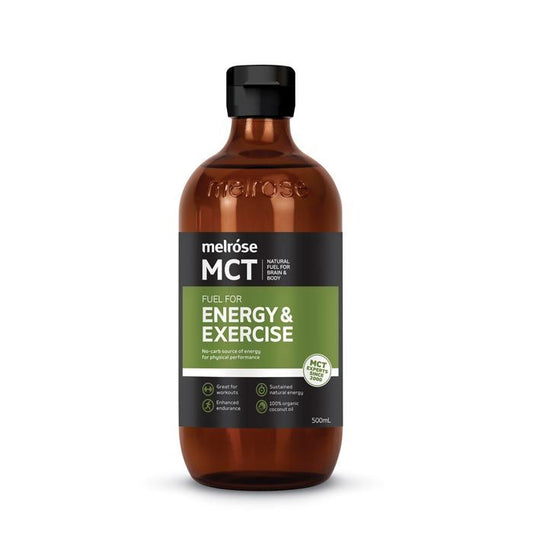
Supplements to Boost Metabolism and Energy: What the Evidence Says
Many supplements promise to speed up metabolism, increase energy or help with weight management. Some ingredients may have modest effects, but no supplement can reliably replace sleep, a balanced diet, regular movement or medical care. “Natural” also does not always mean safe.
Here’s what to know about commonly promoted supplements and how to use them more safely.
What does “metabolism” mean?
Metabolism is the set of processes your body uses to turn food and stored energy into fuel. It varies between people and is influenced by factors such as body size, age, muscle mass, activity, sleep and health conditions.
A supplement is unlikely to cause a substantial or lasting increase in the number of calories your body uses. Products marketed as “fat burners” may contain stimulants or blends of ingredients, and evidence for their benefits is often limited.
Ingredients commonly promoted for energy or metabolism
Caffeine
Caffeine can temporarily increase alertness and reduce the feeling of tiredness. It may also have a small, short-term effect on energy expenditure, but this does not necessarily lead to meaningful or lasting weight loss. Caffeine can disrupt sleep, cause jitters or anxiety, and raise heart rate in some people. Sensitivity varies, and caffeine can be found in coffee, tea, energy drinks, pre-workout products and supplements.
Check the total amount you consume from all sources, and avoid taking caffeine late in the day if it affects your sleep. People who are pregnant, breastfeeding, taking medicines or living with a heart condition should seek advice from a health professional about appropriate intake.
Green tea extract
Green tea extract is often included in weight-management supplements. Any effect on weight or energy expenditure appears to be small, and results are not guaranteed. Concentrated extracts have been linked to liver injury in rare cases. This risk is different from drinking ordinary green tea. Stop using a product and seek medical advice if you develop symptoms such as yellowing of the skin or eyes, dark urine, nausea or abdominal pain.
B vitamins
B vitamins help the body release energy from food, but taking extra does not usually provide an energy boost if you already get enough. A deficiency, such as low vitamin B12, can contribute to tiredness and may need treatment. A blood test and advice from a clinician can help determine whether supplementation is appropriate.
Iron
Iron is needed to make haemoglobin, which carries oxygen around the body. Low iron can cause fatigue, but iron supplements should not be taken routinely without professional advice. Too much iron can be harmful, and tiredness has many possible causes. A health professional can assess whether testing or supplementation is needed.
Creatine
Creatine is used to support short bursts of high-intensity exercise and may help some people improve training performance over time. It is not a stimulant and does not directly “speed up” metabolism. If you are considering creatine, ask a health professional whether it is suitable for you, particularly if you have a medical condition or take regular medicines.
Protein supplements
Protein powders can be a convenient way to add protein when food alone does not meet your needs. Protein supports muscle repair and maintenance, but a powder is not a metabolism booster. Many people can meet their needs through foods such as legumes, eggs, dairy, tofu, fish, meat, nuts and seeds.
Be cautious with “fat burner” products
Products marketed as thermogenic, metabolism-boosting or rapid weight-loss supplements may combine several ingredients, making their effects and risks difficult to assess. Stimulants can cause a racing heartbeat, raised blood pressure, anxiety, digestive symptoms and sleep problems. Some products may also interact with prescription or over-the-counter medicines.
Be especially wary of claims that a product guarantees rapid weight loss, works without changes to eating or activity, or is “clinically proven” without clear evidence. Avoid products with undisclosed ingredient blends or advice to take more than the labelled dose.
Choosing supplements in Australia
In Australia, many therapeutic goods are regulated by the Therapeutic Goods Administration (TGA). Check whether a product is listed or registered and look for its AUST L or AUST R number on the label. This is one useful check, but it is not a guarantee that a product will work for you or that it is risk-free. Follow the label and ask a pharmacist or doctor about possible interactions.
Safer ways to support energy
- Prioritise sleep: Keep a regular sleep routine and seek help if ongoing tiredness is affecting daily life.
- Eat regularly and include nourishing foods: A varied diet with vegetables, fruit, wholegrains and sources of protein can help support everyday needs.
- Drink enough fluids: Dehydration can contribute to feeling tired.
- Move regularly: Choose activity that suits your ability and build up gradually.
- Look for the cause of persistent fatigue: Tiredness can be related to sleep, stress, medicines or health conditions, including iron deficiency or thyroid problems.
The bottom line
Some supplements can have specific uses, particularly when they address a diagnosed deficiency or support a particular type of exercise. However, most products marketed to boost metabolism have limited evidence for substantial, lasting results. If you are often tired, considering a supplement or taking medicines, speak with a doctor, pharmacist or accredited practising dietitian before starting anything new.
This article is general information only and is not a substitute for personalised medical advice.
8 Potential Benefits of Supplements for Metabolism and Energy
- May help address diagnosed nutrient deficiencies.
- Caffeine can temporarily improve alertness.
- Protein powders offer a convenient protein option.
- Creatine may support high-intensity exercise performance.
- Some supplements can complement a balanced diet.
- Clear labels make ingredients easier to check.
- TGA-listed products offer a useful regulatory check.
- Professional advice can help match supplements to individual needs.
5 Downsides of Supplements for Metabolism and Energy
- Evidence for a lasting metabolism boost is limited.
- Stimulants may cause jitters, anxiety or a racing heartbeat.
- Caffeine can interfere with sleep.
- Supplements may interact with medicines.
- Some products contain hidden or unsafe ingredients.
May help address diagnosed nutrient deficiencies.
Supplements may help restore nutrients when a deficiency has been diagnosed—for example, iron or vitamin B12—which can contribute to tiredness or reduced energy. The right supplement and dose depend on the cause and your individual needs, so it’s best to follow advice from a doctor or accredited practising dietitian rather than supplementing “just in case”.
Caffeine can temporarily improve alertness.
Caffeine can provide a temporary lift in alertness, helping you feel more awake and focused for a while. It’s found in coffee, tea and some supplements, but effects vary from person to person. Too much caffeine—or having it late in the day—can cause jitters, anxiety or disrupted sleep, so check the amount you’re getting from all sources.
Protein powders offer a convenient protein option.
Protein powders can be a convenient way to add protein to your day, particularly when you’re busy, on the go or find it difficult to get enough from meals and snacks. They can be mixed into smoothies, oats or other foods, but they’re not essential for everyone and don’t directly boost metabolism. Whenever possible, choose a product that suits your dietary needs and use it as part of a varied, balanced diet.
Creatine may support high-intensity exercise performance.
Creatine may help support performance during short, high-intensity activities such as sprinting or weight training by helping muscles rapidly replenish energy. With regular use alongside appropriate training, it may also support gains in strength and exercise capacity. It isn’t a stimulant or a general energy booster, and its effects vary between people; seek advice from a health professional before using it, particularly if you have a medical condition or take medicines.
Some supplements can complement a balanced diet.
Some supplements may complement a balanced diet by helping fill a specific nutritional gap or meet a particular need, such as supporting exercise or addressing a confirmed deficiency. They work best as part of an overall healthy routine—not as a replacement for nutritious food, sleep or physical activity. Before taking a supplement, check that it’s suitable for you and ask a doctor, pharmacist or accredited practising dietitian for advice, especially if you take medicines or have a health condition.
Clear labels make ingredients easier to check.
Clear labels make it easier to check what a metabolism or energy supplement contains, including the active ingredients, amounts and recommended serving. This helps you compare products, spot ingredients you may wish to avoid and check for potential interactions with medicines or other supplements. If anything is unclear, ask a pharmacist or health professional before taking it.
TGA-listed products offer a useful regulatory check.
A product’s AUST L or AUST R number can offer a useful regulatory check in Australia, as it indicates the product is included in the Therapeutic Goods Administration (TGA) framework. This can help consumers check a product’s regulatory status and stated ingredients, but it does not guarantee that the supplement is effective, suitable for everyone or free from risk. Follow the label and ask a pharmacist or doctor if you’re unsure, especially if you take medicines or have a health condition.
Professional advice can help match supplements to individual needs.
Professional advice can help ensure a supplement suits your individual needs, health conditions and goals. A doctor, pharmacist or accredited practising dietitian can review your diet, medicines and any symptoms, then help identify whether a supplement is appropriate and recommend a suitable option and dose. This can reduce the risk of unnecessary supplements, side effects and interactions.
Evidence for a lasting metabolism boost is limited.
Evidence that supplements can provide a lasting boost to metabolism is limited. Some ingredients, such as caffeine, may temporarily increase alertness or energy use, but these effects are usually modest and may lessen over time. Supplements are unlikely to cause meaningful, sustained changes on their own, so be cautious of products promising rapid or effortless results.
Stimulants may cause jitters, anxiety or a racing heartbeat.
Some metabolism and energy supplements contain stimulants such as caffeine, which can cause jitters, anxiety or a racing heartbeat, particularly at higher doses or when combined with coffee, energy drinks or other stimulant products. These effects can also interfere with sleep and may be more concerning for people with certain health conditions or who take medicines. Check the ingredients and follow the label, and speak with a health professional if you’re unsure whether a product is suitable for you.
Caffeine can interfere with sleep.
Caffeine may provide a temporary lift in alertness, but it can also make it harder to fall asleep or reduce sleep quality, particularly when taken later in the day. Poor sleep can leave you feeling tired the next day, creating a cycle where you rely on more caffeine for energy. Check how much caffeine you’re getting from supplements, coffee, tea and energy drinks, and consider avoiding it in the afternoon or evening if it affects your sleep.
Supplements may interact with medicines.
Supplements marketed to boost metabolism or energy may interact with prescription medicines, over-the-counter medicines or other supplements. Stimulants such as caffeine can affect heart rate or blood pressure, while some herbal ingredients may change how medicines are absorbed or processed by the body. These interactions can reduce a medicine’s effectiveness or increase the risk of side effects. Check the ingredients with a doctor or pharmacist before taking a supplement, especially if you use regular medication, have a health condition, or are pregnant or breastfeeding.
Some products contain hidden or unsafe ingredients.
Some supplements marketed to boost metabolism and energy may contain hidden, undeclared or unsafe ingredients, including strong stimulants that can cause unwanted effects or interact with medicines. Product labels may not always make the risks clear, particularly when ingredients are listed in a “proprietary blend”. In Australia, check for a TGA listing or registration number, but remember this does not guarantee a product is suitable for you. Speak with a doctor or pharmacist before trying a supplement, especially if you have a health condition, take medicines, are pregnant or breastfeeding, or experience unusual symptoms.