
Best Appetite Suppressant: What Works and What to Consider
Looking for the best appetite suppressant? The safest and most effective choice depends on why you feel hungry, your health, any medicines you take and your weight-management goals. There is no single product that works for everyone—and many supplements marketed for appetite control have limited evidence.
For most people, the best starting point is not a pill. Regular, satisfying meals, enough protein and fibre, good sleep and support from a health professional can help manage hunger. Prescription medicines may be appropriate for some people, but they need medical assessment and monitoring.
What does an appetite suppressant do?
Appetite suppressants are products or medicines intended to reduce hunger or help someone feel full. They work in different ways. Some may affect appetite-related signals in the brain; others, such as certain fibre supplements, may expand in the stomach and promote fullness.
Feeling hungry is normal. Appetite can change with activity, sleep, stress, health conditions and life stages. If hunger has changed suddenly or is affecting your wellbeing, speak with a GP rather than trying to mask it with a supplement.
Options with the strongest basis
Filling meals and everyday habits
For many people, a practical first step is to build meals that are satisfying and nourishing. Foods containing protein and fibre can help you feel full for longer. Examples include eggs, fish, lean meat, tofu, beans, lentils, vegetables, fruit, oats and wholegrain breads and cereals. Drinking enough water and getting regular sleep may also support appetite regulation.
These strategies are not a quick fix, and they do not need to be perfect. A dietitian can help tailor them to your preferences, budget, culture and health needs.
Fibre supplements
Some soluble fibre supplements, such as psyllium, absorb water and form a gel. They may help with fullness for some people, but results vary and they are not a substitute for a balanced diet or medical care. Follow the product directions, take them with plenty of water and check with a pharmacist or doctor first—particularly if you have a medical condition or take regular medicines. Fibre can affect the absorption of some medicines.
Prescription weight-management medicines
Some prescription medicines can reduce appetite or increase feelings of fullness. They may be considered as part of a broader treatment plan for eligible people, alongside nutrition, physical activity and ongoing follow-up. The right medicine depends on individual circumstances, and each has potential side effects and reasons it may not be suitable.
In Australia, a GP or specialist can assess whether a prescription treatment is appropriate. Do not use someone else’s medicine, buy prescription products from unverified online sellers or change a prescribed dose without medical advice.
Do over-the-counter appetite suppressant pills work?
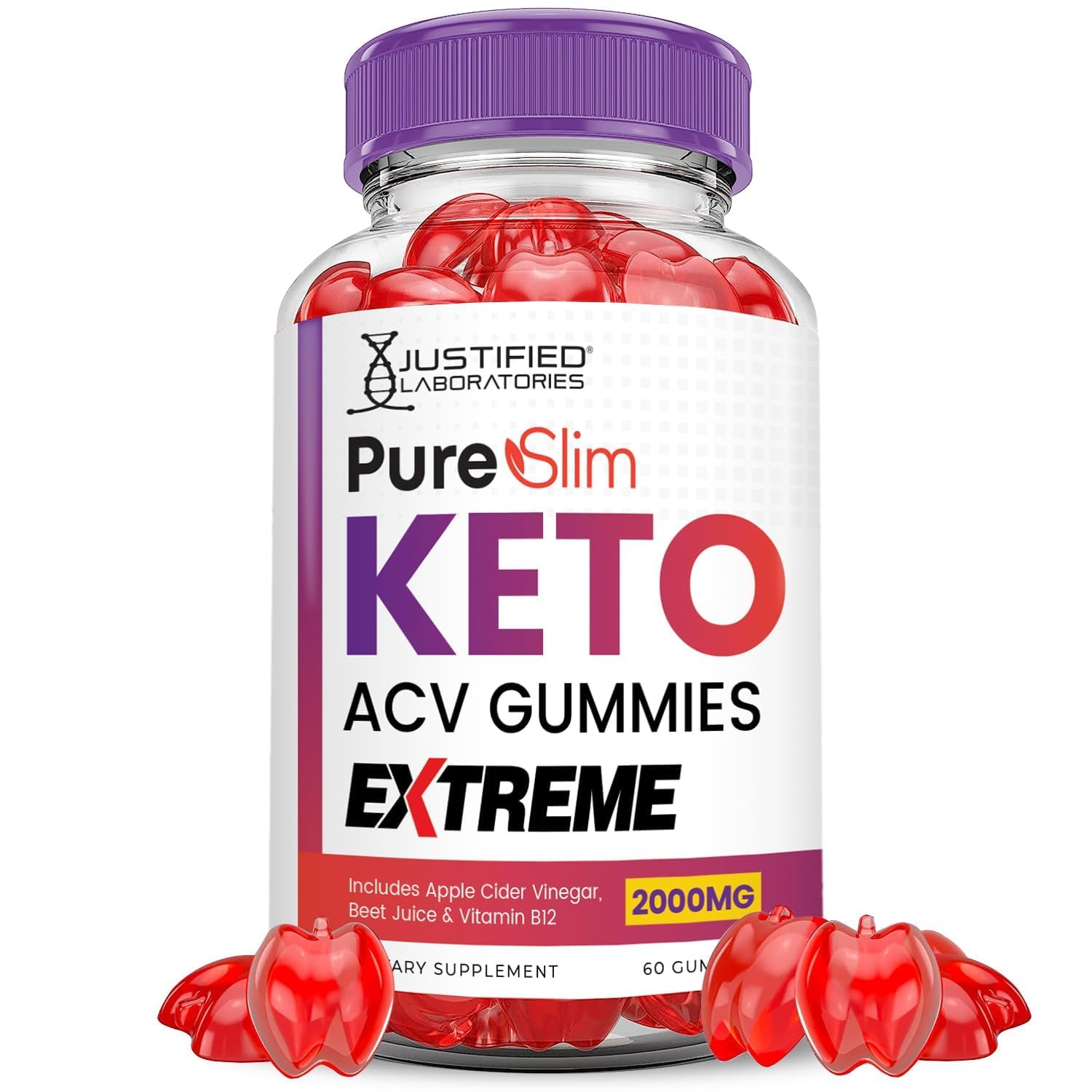
Some products sold online or in shops promise fast appetite control or weight loss. Evidence for many ingredients is limited, and a product’s marketing claims may not reflect how well it works in real life. “Natural” does not automatically mean safe: supplements can cause side effects, interact with medicines or contain ingredients that are unsuitable for some people.
In Australia, check whether a therapeutic product is included on the Australian Register of Therapeutic Goods (ARTG), and discuss it with a pharmacist or doctor. ARTG inclusion is not a guarantee that a product will produce meaningful weight loss. Be especially cautious of products that promise dramatic results, claim to work without diet or lifestyle changes, or hide their full ingredient list.
How to choose a safe approach
- Be wary of “rapid weight loss”, “fat-burning” or guaranteed-result claims.
- Check the active ingredients and warnings, and ask a pharmacist about possible interactions.
- Talk with a GP before using an appetite suppressant if you are pregnant or breastfeeding, have a health condition, or take prescription medicines.
- Avoid combining multiple weight-loss products unless a health professional has checked that it is safe.
- Choose support that focuses on long-term health, not just a number on the scales.
When to seek advice
Arrange an appointment with a GP or accredited practising dietitian if hunger feels unusually strong, your weight is changing unexpectedly, or you are considering medication or supplements. Seek support promptly if food, weight or body image is causing significant distress. A health professional can help identify possible causes and discuss options without judgement.
The bottom line
The best appetite suppressant is not necessarily a pill. For many people, satisfying meals and sustainable habits are a sensible place to start. When these are not enough, a GP can discuss whether a prescribed treatment is suitable and explain its benefits, risks and monitoring. Avoid unverified products and choose an approach that supports your overall health.
This article is for general information only and is not a substitute for personalised medical advice. Speak with a qualified health professional before starting a medicine or supplement.
Best Appetite Suppressants: 8 Frequently Asked Questions in Australia
- What is the best appetite suppressant for weight loss?
- Do appetite suppressant pills actually work?
- Are natural appetite suppressants safe?
- What foods can help reduce hunger and keep you feeling full?
- Can I buy appetite suppressants over the counter in Australia?
- What are the side effects of appetite suppressant medicines?
- Do I need to see a doctor before taking an appetite suppressant?
- How can I manage my appetite without taking supplements or medication?
What is the best appetite suppressant for weight loss?
There’s no single “best” appetite suppressant for weight loss, as what’s suitable depends on your health, medicines and individual needs. For many people, filling meals with protein- and fibre-rich foods, alongside sustainable lifestyle changes, can help manage hunger. Prescription medicines may be an option for some, but require assessment and follow-up from a GP; be cautious with over-the-counter supplements, as evidence and safety vary.
Do appetite suppressant pills actually work?
Some appetite suppressant pills can reduce hunger or help you feel full, but how well they work depends on the product and the person. Prescription medicines may support weight management for some people when used under medical supervision alongside lifestyle changes, while evidence for many over-the-counter supplements is limited and their safety can vary. They’re not a quick fix, so speak with a GP or pharmacist before trying one, particularly if you take other medicines or have a health condition.
Are natural appetite suppressants safe?
Natural appetite suppressants aren’t automatically safe just because they’re labelled “natural”. Supplements may cause side effects, interact with medicines or contain ingredients that aren’t suitable for everyone, and evidence for many products is limited. Check the ingredients and warnings, and speak with a GP or pharmacist before using one—especially if you have a health condition, take medicines, or are pregnant or breastfeeding.
What foods can help reduce hunger and keep you feeling full?
Foods rich in protein and fibre can help you feel satisfied for longer. Try including beans, lentils, eggs, fish, tofu or yoghurt alongside high-fibre choices such as oats, wholegrain bread, vegetables and whole fruit. A small handful of nuts can also make a filling snack. Pairing these foods in balanced meals may help manage hunger, though needs vary from person to person.
Can I buy appetite suppressants over the counter in Australia?
Some products marketed as appetite suppressants are sold over the counter in Australia, but evidence for many is limited, and “natural” does not necessarily mean safe. Check whether a therapeutic product is listed on the Australian Register of Therapeutic Goods (ARTG), and ask a pharmacist or GP about its ingredients, risks and possible interactions—especially if you take medicines or have a health condition. Prescription appetite-management medicines require assessment by a doctor and cannot be bought over the counter.
What are the side effects of appetite suppressant medicines?
Side effects depend on the medicine and can include nausea, constipation or diarrhoea, dry mouth, headaches, trouble sleeping, and changes in heart rate or blood pressure. Some prescription medicines may have more serious risks, so discuss your health conditions and other medicines with your GP or pharmacist, and follow the prescribed dose. Seek urgent medical care for severe symptoms such as chest pain, difficulty breathing or a serious allergic reaction.
Do I need to see a doctor before taking an appetite suppressant?
Yes. It’s a good idea to speak with a GP or pharmacist before taking an appetite suppressant, including an over-the-counter supplement, as it may cause side effects or interact with medicines. Medical advice is especially important if you have a health condition, are pregnant or breastfeeding, or are considering a prescription medicine.
How can I manage my appetite without taking supplements or medication?
You can support appetite management without supplements or medication by eating regular, satisfying meals that include protein- and fibre-rich foods, such as eggs, beans, vegetables, fruit and wholegrains. Drink water regularly, get enough sleep and find enjoyable ways to move your body, as sleep, stress and activity can influence hunger. Try to eat mindfully and notice whether you’re hungry, thirsty or responding to stress, without judging yourself. If your appetite changes suddenly or feels difficult to manage, speak with your GP or an accredited practising dietitian for personalised advice.