
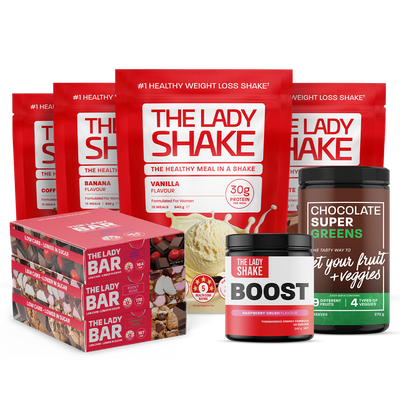
What Is the Number One Weight Loss Product?
Search for the “number one weight loss product” and you’ll find pills, powders, shakes and supplements all claiming to deliver impressive results. But there is no single product that is best or suitable for everyone. What works depends on a person’s health, circumstances and goals—and weight-loss products vary considerably in their evidence, safety and regulation.
Rather than relying on a bold ranking or a dramatic promise, look for an approach supported by evidence and appropriate for you. A GP or accredited practising dietitian can help you assess your options.
Why there isn’t one best product for everyone
Weight is influenced by many factors, including eating habits, activity, sleep, health conditions, medicines and genetics. A product that may be appropriate for one person could be ineffective or unsafe for another. Results can also differ, and no product can guarantee a particular amount of weight loss.
For many people, sustainable weight management involves practical changes to eating and activity habits, with support from a health professional where needed. Products may play a role in some circumstances, but they are not a substitute for personalised care.
Common types of weight-loss products
Meal replacements
Meal replacement shakes or bars can provide a convenient, portion-controlled option when used as directed. Check the nutrition information and ingredients, and consider whether the product suits your needs. A meal replacement plan may not be appropriate for everyone, so seek professional advice if you have a medical condition, are pregnant or breastfeeding, or have a history of disordered eating.
Dietary supplements
Supplements marketed for weight loss may contain ingredients such as caffeine, herbs or fibre. Evidence for many of these products is limited, and “natural” does not always mean safe. Ingredients can cause side effects or interact with medicines. Be cautious of products promising rapid results or claiming to “melt fat” without changes to diet or activity.
Prescription weight-management medicines
Some medicines may be considered for eligible people as part of a broader treatment plan. They require assessment and monitoring by a qualified health professional. They are not suitable for everyone, and should only be obtained and used under appropriate medical guidance. In Australia, check that medicines and therapeutic products are authorised for supply and use through relevant official sources, such as the Therapeutic Goods Administration (TGA).
How to assess a weight-loss product
- Look for realistic claims: Be wary of promises of effortless, rapid or guaranteed weight loss.
- Check the ingredients: Read the label carefully and ask a pharmacist or doctor about possible interactions.
- Consider the evidence: Look for reliable research, not just testimonials or before-and-after photos.
- Check Australian regulation: A product’s online availability or marketing does not, by itself, prove it is approved or suitable.
- Think about long-term use: Consider whether the approach supports habits you can maintain, rather than relying on a short-term fix.
So, what is the number one weight loss product?
There is no universally recognised “number one” weight-loss product. The most suitable option is the one that is safe for you, supported by credible evidence and recommended in light of your individual health needs. For some people, that may mean focusing on everyday habits; for others, it may involve structured support or a medically supervised treatment plan.
Before starting a weight-loss product, speak with your GP, pharmacist or an accredited practising dietitian—particularly if you take medicines or have an existing health condition. A personalised plan is more reliable than choosing a product based on a ranking or a marketing claim.
This article is general information only and is not a substitute for personalised medical advice.
7 Tips for Assessing ‘Number One’ Weight-Loss Product Claims
- There’s no single weight-loss product that’s best for everyone.
- Be wary of “number one” claims without reliable evidence.
- Check ingredients and safety warnings before buying.
- Ask your GP or pharmacist about possible side effects or interactions.
- Avoid products promising rapid or effortless weight loss.
- Choose sustainable habits, including balanced meals and regular activity.
- Seek support from an accredited practising dietitian if you need tailored advice.
There’s no single weight-loss product that’s best for everyone.
There’s no single weight-loss product that’s best for everyone. People have different health needs, goals, medications and lifestyles, so a product that suits one person may not be safe or effective for another. Be cautious of products promising quick or guaranteed results, and speak with your GP, pharmacist or an accredited practising dietitian before trying a weight-loss supplement or medicine.
Be wary of “number one” claims without reliable evidence.
Be wary of products labelled “number one” when the claim isn’t backed by reliable, independent evidence. Rankings may be based on paid promotions, selective testimonials or unclear criteria rather than well-designed research. Check who made the claim, what evidence supports it and whether the product’s ingredients and risks are clearly disclosed. If you’re unsure, ask your GP or pharmacist before using it.
Check ingredients and safety warnings before buying.
Before buying a weight-loss product, read the full ingredients list and safety warnings—not just the front-of-pack claims. Check for ingredients that may cause side effects or interact with medicines, and ask your GP or pharmacist if you’re unsure, especially if you have a health condition or are pregnant or breastfeeding. Be cautious of products promising rapid or effortless results, and remember that “natural” doesn’t automatically mean safe.
Ask your GP or pharmacist about possible side effects or interactions.
Before trying any weight-loss product, ask your GP or pharmacist about possible side effects and interactions with medicines or supplements you already take. They can check whether the ingredients are suitable for you, explain any warning signs to watch for and suggest safer options based on your health needs.
Avoid products promising rapid or effortless weight loss.
Avoid weight-loss products that promise rapid or effortless results, as these claims can be misleading and may signal a lack of reliable evidence. Sustainable weight management usually takes time, and supplements or medicines can have side effects or interact with other treatments. Check the ingredients and speak with your GP or pharmacist before trying a product, especially if you take medication or have a health condition.
Choose sustainable habits, including balanced meals and regular activity.
Choose sustainable habits rather than relying on a product to do all the work. Balanced meals that include vegetables, fruit, wholegrains and suitable sources of protein, along with regular physical activity you enjoy, can support overall health and gradual weight management. Small, consistent changes are often easier to maintain than restrictive diets or quick fixes.
Seek support from an accredited practising dietitian if you need tailored advice.
If you need advice tailored to your health, lifestyle and goals, speak with an accredited practising dietitian. They can help you assess weight-loss products, understand the evidence and potential risks, and build a realistic eating plan that suits your needs. This can help you make informed choices rather than relying on marketing claims or a one-size-fits-all recommendation.