
Number 1 Weight Loss Pill: Is There a Best Option?
Searches for the “number 1 weight loss pill” often promise a simple answer. In reality, there is no single pill that is best or safe for everyone. The right approach depends on a person’s health, medical history, goals and any medicines they take. Weight-loss medicines can help some people, but they work best as part of a broader care plan—not as a substitute for healthy habits or medical advice.
What does “number 1” really mean?
A product described as number one may be based on sales, online reviews or advertising rather than strong evidence. Popularity does not prove that a product is effective or suitable for you. Be cautious of claims such as “effortless weight loss”, “guaranteed results” or “no diet or exercise needed”.
When comparing options, look for reliable evidence, clear information about risks and ingredients, and advice from a qualified health professional. In Australia, check whether a therapeutic product is listed or registered with the Therapeutic Goods Administration (TGA). TGA status does not mean a product is right for every person, and some products sold online may not have been assessed for safety or quality.
Prescription medicines and weight loss
Some prescription medicines may be considered for weight management, depending on a person’s circumstances. They can reduce appetite, affect feelings of fullness or limit the absorption of some dietary fat. They may also cause side effects and can interact with other medicines.
A doctor can assess whether medication is appropriate, discuss potential benefits and risks, and explain how progress should be monitored. Availability, eligibility and prescribing guidance can change, so seek current advice from a GP or pharmacist rather than relying on an online ranking.
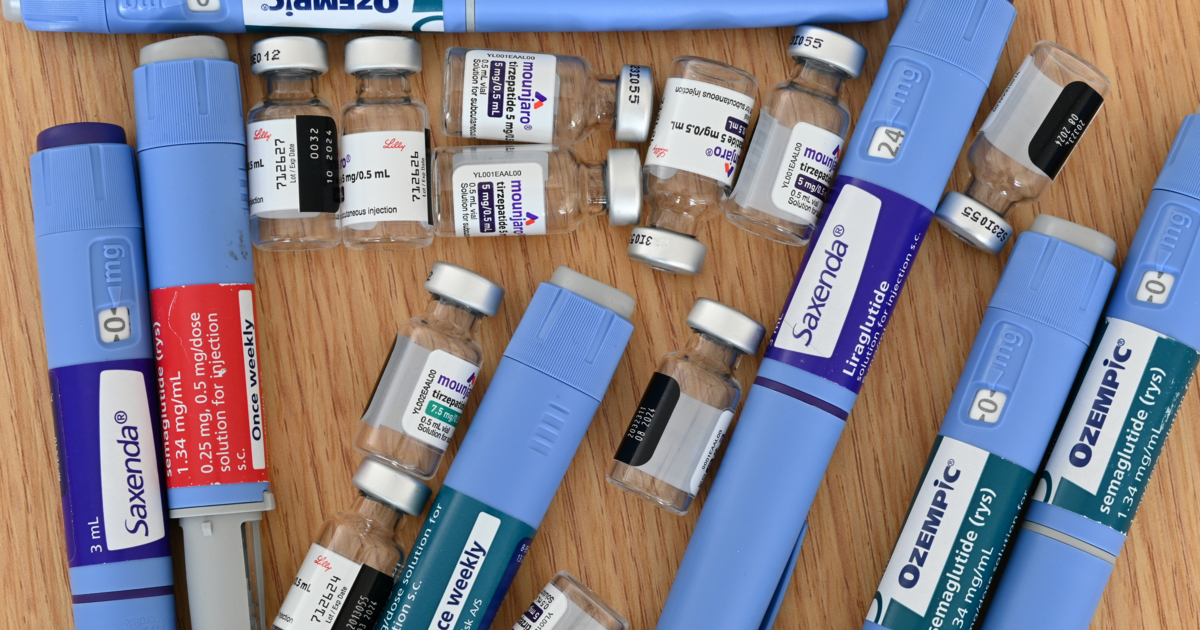
Not all effective weight-management medicines are pills. Some are given by injection and are prescribed only after a clinician has assessed whether they are suitable. A medicine should never be shared, bought from an unverified seller or used outside the directions of the prescriber.
What about over-the-counter diet pills?
Many supplements are marketed for weight loss, but evidence for their effectiveness can be limited. “Natural” does not automatically mean safe. Supplements may contain stimulants or other ingredients that cause side effects, and their quality can vary. Avoid products with secret ingredient blends, exaggerated claims or no clear Australian supplier information.
Talk with a doctor or pharmacist before taking a weight-loss supplement—particularly if you are pregnant or breastfeeding, have a health condition, or take prescription medicines.
Choosing a safer, more sustainable approach
Weight management is different for everyone. A practical plan may include nutritious meals, regular movement, adequate sleep, support for stress and behaviour changes that can be maintained over time. A GP, accredited practising dietitian or other qualified health professional can help tailor that plan and discuss whether medication may have a role.
The takeaway
There is no universally recognised “number 1 weight loss pill”. The safest and most suitable option depends on individual health needs, and some people may not need or benefit from medication at all. Treat rankings and dramatic promises with caution, and speak with a health professional before starting any weight-loss medicine or supplement.
This article is general information only and is not a substitute for personalised medical advice. If you experience concerning symptoms while taking a medicine or supplement, seek advice from a health professional.
6 Tips for Choosing Weight-Loss Medicines Safely in Australia
- There’s no single “number one” weight-loss pill for everyone.
- Ask your GP whether prescription weight-loss medicines suit your health and goals.
- Check medicines are approved by Australia’s TGA.
- Avoid unverified supplements promising rapid weight loss.
- Discuss side effects and interactions with your GP or pharmacist.
- Pair any treatment with sustainable eating, movement and sleep habits.
There’s no single “number one” weight-loss pill for everyone.
There’s no single “number one” weight-loss pill that’s right for everyone. What may suit one person can be ineffective or unsafe for another, depending on their health, medical history and other medicines. Rather than relying on online rankings or bold promises, speak with a GP or pharmacist about evidence-based options and whether any medicine is appropriate for you.
Ask your GP whether prescription weight-loss medicines suit your health and goals.
Ask your GP whether prescription weight-loss medicines are suitable for your health and goals. They can review your medical history, current medicines and individual circumstances, explain possible benefits and side effects, and discuss how any treatment would fit into a broader weight-management plan. Don’t start, stop or change a medicine without professional advice.
Check medicines are approved by Australia’s TGA.
Before trying a weight-loss medicine, check its status on the Australian Register of Therapeutic Goods (ARTG), maintained by the Therapeutic Goods Administration (TGA). Be cautious of products sold online that claim to be “TGA approved” without verifiable details, and remember that TGA listing or registration does not mean a medicine is suitable for everyone or guarantees weight loss. Ask your doctor or pharmacist whether the product is appropriate for you, especially if you take other medicines or have an existing health condition.
Avoid unverified supplements promising rapid weight loss.
Avoid unverified supplements that promise rapid weight loss, as dramatic claims may not be supported by good evidence and the product’s ingredients or quality may be unclear. Some supplements can cause side effects or interact with medicines, even if they’re labelled “natural”. Check product information carefully and speak with a GP or pharmacist before trying a weight-loss supplement.
Discuss side effects and interactions with your GP or pharmacist.
Before trying any weight-loss pill, talk with your GP or pharmacist about possible side effects and interactions with medicines or supplements you already take. Share your health conditions and any history of allergies, and ask what symptoms to watch for and what to do if they occur. This check can help you make a safer, informed choice—especially as a product marketed as the “number 1” option may not suit everyone.
Pair any treatment with sustainable eating, movement and sleep habits.
For the best chance of lasting results, pair any weight-loss treatment with habits you can maintain over time. Aim for balanced meals, regular movement that suits your ability and routine, and enough quality sleep. These foundations support overall health and may help make progress more sustainable, while a GP or accredited practising dietitian can help tailor an approach to your needs.