
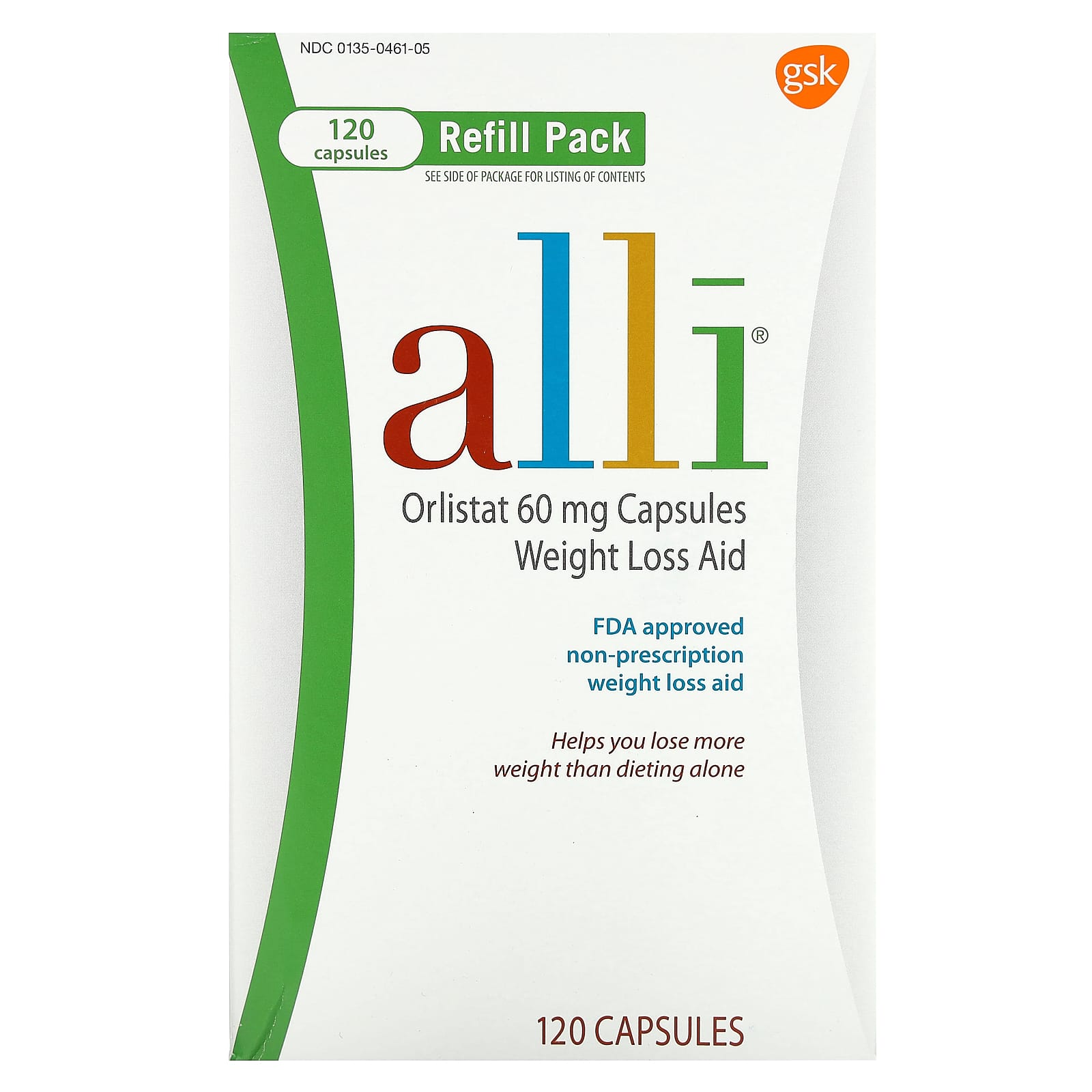
Exploring Over-the-Counter Weight Loss Pills
Over-the-counter weight loss pills have become a popular option for individuals looking to shed some extra kilos without a prescription. These pills are widely available in pharmacies, health food stores, and online platforms, promising quick and easy solutions to weight management.
The Appeal of Over-the-Counter Weight Loss Pills
One of the main attractions of over-the-counter weight loss pills is their convenience. They offer a non-prescription alternative to prescription medications, making them easily accessible to consumers seeking to kickstart their weight loss journey.
Additionally, many over-the-counter weight loss pills claim to boost metabolism, suppress appetite, or block fat absorption. These promises can be enticing for individuals looking for a simple way to enhance their weight loss efforts.
Understanding the Risks
While over-the-counter weight loss pills may seem like a convenient solution, it’s essential to approach them with caution. These products are not regulated as strictly as prescription medications, meaning that their safety and efficacy may vary.
Some common risks associated with over-the-counter weight loss pills include:
- Potential side effects such as nausea, diarrhoea, or insomnia
- Interactions with other medications or health conditions
- Lack of scientific evidence supporting their effectiveness
- Possible long-term health implications
Making Informed Choices
Prior to incorporating over-the-counter weight loss pills into your routine, it’s crucial to consult with a healthcare professional. They can provide guidance on the safety and suitability of these products based on your individual health needs.
When considering over-the-counter weight loss pills, look for products that have been tested in clinical trials and have transparent ingredient lists. Avoid products that make unrealistic claims or use proprietary blends that conceal the specific components of the pill.
The Bottom Line
Over-the-counter weight loss pills can be a tempting option for those seeking quick results; however, it’s important to approach them with caution and informed decision-making. By prioritising your health and consulting with professionals, you can navigate the world of weight loss supplements safely and effectively.
Understanding Over-the-Counter Weight Loss Pills: Safety, Efficacy, and Considerations
- Are over-the-counter weight loss pills safe to use?
- What are the common side effects of over-the-counter weight loss pills?
- Do over-the-counter weight loss pills really work?
- How do I choose the right over-the-counter weight loss pill for me?
- Can I take over-the-counter weight loss pills if I have a medical condition or take other medications?
- Are there any long-term health risks associated with using over-the-counter weight loss pills?
Are over-the-counter weight loss pills safe to use?
When considering the safety of over-the-counter weight loss pills, it is essential to approach them with caution and awareness. While these pills are easily accessible without a prescription, their safety can vary depending on the specific product and its ingredients. It is crucial to consult with a healthcare professional before incorporating over-the-counter weight loss pills into your routine to assess their suitability for your individual health needs. Additionally, being mindful of potential side effects, interactions with other medications or health conditions, and the lack of robust scientific evidence supporting their effectiveness can help you make an informed decision about their use. Prioritising your health and well-being is key when considering the safety of over-the-counter weight loss pills.
What are the common side effects of over-the-counter weight loss pills?
When considering over-the-counter weight loss pills, it’s important to be aware of the potential common side effects that may arise. Some of the typical side effects associated with these pills include nausea, diarrhoea, and insomnia. It’s crucial to understand that individual responses to these products can vary, and some individuals may experience additional side effects or reactions. Consulting with a healthcare professional before starting any weight loss pill regimen can help in understanding the risks and benefits specific to your health profile.
Do over-the-counter weight loss pills really work?
When it comes to the frequently asked question, “Do over-the-counter weight loss pills really work?” the answer is not straightforward. While some over-the-counter weight loss pills may offer benefits such as boosting metabolism or suppressing appetite, their effectiveness can vary from person to person. It’s essential to approach these products with a critical eye and consider factors such as individual metabolism, lifestyle habits, and overall health. Consulting with a healthcare professional before incorporating over-the-counter weight loss pills into your regimen can provide valuable insights and help you make an informed decision about their potential efficacy for your weight loss goals.
How do I choose the right over-the-counter weight loss pill for me?
When it comes to selecting the right over-the-counter weight loss pill for your needs, it’s essential to approach the decision with care and consideration. Firstly, consult with a healthcare professional to discuss your weight loss goals and any existing health conditions or medications you may be taking. They can provide personalised advice on which products may be suitable for you. Additionally, look for over-the-counter weight loss pills that have undergone clinical trials and have transparent ingredient lists. Avoid products that make extravagant claims or lack scientific evidence to support their effectiveness. By making informed choices and prioritising your health, you can find a weight loss pill that aligns with your goals and supports your journey towards a healthier lifestyle.
Can I take over-the-counter weight loss pills if I have a medical condition or take other medications?
It is crucial to exercise caution when considering the use of over-the-counter weight loss pills if you have a medical condition or are taking other medications. Certain medical conditions and prescribed medications may interact adversely with the ingredients in weight loss pills, potentially leading to harmful side effects or reduced effectiveness of either treatment. Before incorporating over-the-counter weight loss pills into your regimen, it is highly recommended to consult with a healthcare professional who can provide personalised advice based on your specific health needs and circumstances. Prioritising your safety and well-being by seeking expert guidance ensures that you make informed decisions regarding the use of these supplements.
Are there any long-term health risks associated with using over-the-counter weight loss pills?
When considering the use of over-the-counter weight loss pills, a common concern revolves around the potential long-term health risks associated with their consumption. While these pills may offer short-term benefits in aiding weight loss, there are potential risks to be mindful of in the long run. Some over-the-counter weight loss pills may cause adverse effects on health, such as gastrointestinal issues, cardiovascular complications, or metabolic disturbances. It is essential to approach these products with caution and consult healthcare professionals to assess the safety and suitability of using them over an extended period to mitigate any potential long-term health implications.