
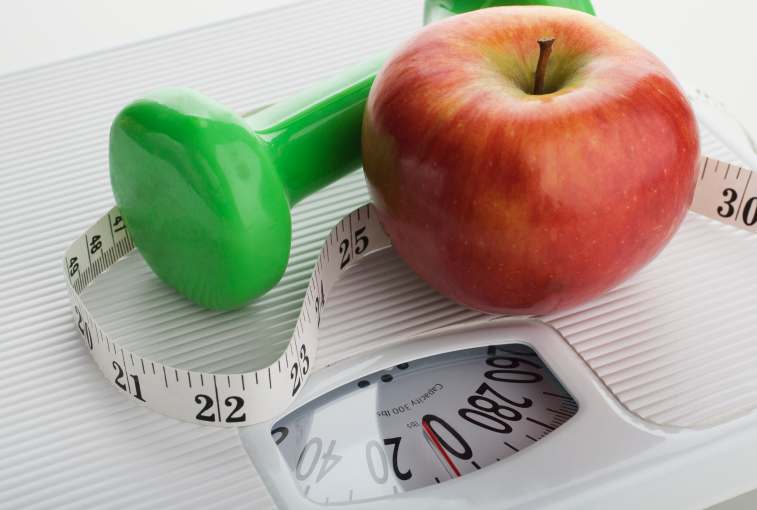
Weight Gain: Common Causes and When to Seek Advice
Weight can change over time, and gradual weight gain is common. It may reflect changes in eating habits, activity levels, sleep, stress, health or life circumstances. Weight alone does not tell the whole story about someone’s health, and there is no single approach that suits everyone.
What can cause weight gain?
Weight gain can happen when the body takes in more energy than it uses over time, but this is only part of the picture. A range of factors can affect appetite, activity, metabolism and body composition, including:
- Changes in routine: A new job, less movement during the day, injury or caring responsibilities can affect activity levels and meal patterns.
- Sleep and stress: Poor sleep and ongoing stress can influence appetite, food choices and energy for exercise.
- Age and life stages: Bodies can change with age, pregnancy, menopause and other life transitions.
- Medicines: Some medicines may affect appetite or weight. Do not stop or change prescribed medicine without speaking with a health professional.
- Health conditions: Certain medical conditions can contribute to weight changes. A GP can assess symptoms and discuss whether testing is appropriate.
- Fluid retention: A sudden increase on the scales can sometimes be related to fluid rather than body fat.
Small, sustainable steps
If you would like to manage your weight, gradual changes are generally more sustainable than strict diets or rapid weight-loss plans. Consider focusing on habits that support overall wellbeing:
- Choose a variety of foods, including vegetables, fruit, wholegrains and suitable sources of protein.
- Drink water regularly and consider how sugary drinks and alcohol fit into your routine.
- Build movement into your week in ways you enjoy. Walking, swimming, cycling, dancing and strength-based activities can all count.
- Make time for regular meals and notice what helps you feel satisfied and energised.
- Support sleep and stress management with routines that are realistic for you.
Progress is not always linear. Short-term changes can be affected by hydration, digestion, hormones and other everyday factors. It may be more helpful to track habits, energy and wellbeing than to focus only on the number on the scales.
When to speak with a health professional
Consider speaking with a GP if weight gain is rapid, unexplained or accompanied by other symptoms, such as swelling, shortness of breath, unusual fatigue or changes in appetite. A GP can review your health, medicines and circumstances, and discuss support options. An accredited practising dietitian can also offer tailored nutrition advice.
Seek urgent medical care for severe or sudden symptoms, including significant difficulty breathing or chest pain.
Be cautious with weight-loss products
Be wary of products or programmes promising effortless, rapid results or claiming to “melt fat”. Weight-loss supplements can have side effects and may interact with medicines. Check with a GP or pharmacist before using them, particularly if you are pregnant, breastfeeding, managing a health condition or taking medication.
Weight is influenced by many factors, and support should be respectful and personalised. A health professional can help you find an approach that suits your needs and focuses on long-term health.
8 Tips for Healthy Weight Gain
- Add nutritious snacks between meals.
- Choose energy-dense foods like nuts and avocado.
- Include protein with each meal.
- Add olive oil or yoghurt to meals.
- Try smoothies with milk, fruit and nut butter.
- Eat regular meals, even when busy.
- Do strength training to build muscle.
- See your GP if weight gain is sudden or unexplained.
Add nutritious snacks between meals.
Adding nutritious snacks between meals can help keep your energy up and satisfy hunger, especially on busy days. Choose options such as fruit with yoghurt, wholegrain crackers with cheese, or a handful of nuts and seeds. If you’re aiming to gain weight, snacks that combine protein, healthy fats and carbohydrates can add nourishment and energy to your day. For advice tailored to your needs, speak with a GP or accredited practising dietitian.
Choose energy-dense foods like nuts and avocado.
To support gradual weight gain, add energy-dense, nourishing foods such as nuts, nut butters and avocado to meals and snacks. Try adding avocado to toast or salads, or a small handful of nuts to yoghurt or porridge. These foods provide healthy fats and other nutrients, but portion needs vary—if you have allergies or a health condition, ask a GP or accredited practising dietitian for personalised advice.
Include protein with each meal.
Including a source of protein with each meal can help make meals more satisfying and support the maintenance and repair of muscles as you work towards gaining weight. Try options such as eggs, dairy foods, beans, lentils, tofu, fish, chicken, meat, nuts or seeds, choosing what suits your preferences and dietary needs. For a balanced approach, pair protein with energy-rich foods such as wholegrains, healthy fats, fruit or vegetables.
Add olive oil or yoghurt to meals.
Adding olive oil or yoghurt to meals can be a simple way to increase their energy content. Drizzle olive oil over vegetables, pasta or soup, or add full-fat yoghurt to porridge, smoothies or sauces; yoghurt can also provide protein and calcium. Choose options that suit your preferences and dietary needs, and increase portions gradually as part of a varied, balanced eating plan.
Try smoothies with milk, fruit and nut butter.
Try a smoothie made with milk, fruit and nut butter for a convenient, energy-rich snack that can support gradual weight gain. Blend your preferred milk with a banana or berries and a spoonful of peanut or almond butter; add yoghurt or oats if you’d like it to be more filling. Choose ingredients that suit your dietary needs, and check with a health professional or dietitian for personalised advice.
Eat regular meals, even when busy.
Eating regular meals, even when you’re busy, can help keep your energy steady and make it easier to meet your nutritional needs. Plan simple options ahead of time, such as a sandwich, yoghurt with fruit or leftovers, and keep convenient snacks on hand for when a full meal isn’t practical. Choose nourishing foods that suit your appetite and routine, and speak with a GP or accredited practising dietitian if you’re finding it difficult to eat enough or are gaining weight unexpectedly.
Do strength training to build muscle.
Strength training can help build and maintain muscle, which supports strength and everyday movement. Try activities such as lifting weights, using resistance bands or doing bodyweight exercises, and increase the challenge gradually as you get stronger. For healthy weight gain, pair regular strength training with nutritious meals and enough energy to support your goals. If you’re new to exercise or have a health condition, ask a GP or qualified exercise professional for advice.
See your GP if weight gain is sudden or unexplained.
See your GP if you experience sudden or unexplained weight gain, particularly if it happens over a short period or comes with symptoms such as swelling, unusual fatigue or shortness of breath. A health professional can check for possible causes, including fluid retention, a medical condition or medication side effects, and advise you on appropriate next steps.