
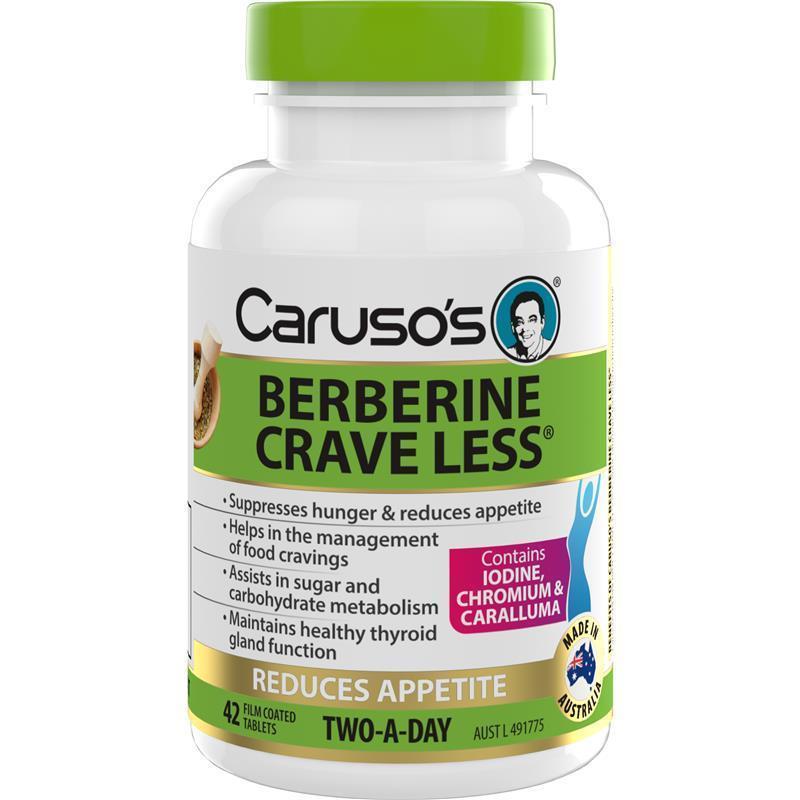
Craving Suppressant Pills: What to Know Before You Try Them
Cravings can make it harder to stick with eating habits that support your health. It’s understandable to look for a simple solution, but “craving suppressant pills” is a broad marketing term, not a single type of medicine. Products sold under this label vary widely, and many claims about appetite control or rapid weight loss are not well supported by evidence.
Before taking any product, find out what it contains, whether it is suitable for you and whether its benefits outweigh its risks. A GP or pharmacist can help you make an informed choice.
What are craving suppressant pills?
The term may refer to prescription medicines intended to support weight management, over-the-counter products, or supplements marketed to reduce appetite or food cravings. These products are not interchangeable.
Some prescription weight-management medicines can affect appetite or feelings of fullness. They are intended for eligible people as part of a broader care plan, which may include nutrition, physical activity and ongoing medical support. They are not suitable for everyone, and a health professional needs to assess whether a particular medicine is appropriate.
Supplements may contain ingredients such as fibre, caffeine, plant extracts or other compounds. Evidence for their ability to reliably reduce cravings or produce lasting weight loss is often limited. “Natural” does not necessarily mean safe, and supplements can cause side effects or interact with medicines.
Do they work?
Some prescription medicines can help eligible people manage weight when used under medical supervision. Their effects differ from person to person, and they are not a guaranteed or permanent solution. Weight can change for many reasons, and treatment plans may need to be reviewed over time.
For many products advertised online as craving suppressants, there is not enough reliable evidence to show that they deliver meaningful, lasting results. Be cautious of claims such as “effortless weight loss”, “no diet or exercise needed”, or promises of rapid results. Testimonials and before-and-after photos are not a substitute for good-quality evidence.
Possible risks and side effects
Depending on the product and its ingredients, side effects may include nausea, changes in bowel habits, headaches, sleep problems, a faster heartbeat or raised blood pressure. Prescription medicines can have additional risks and may not be appropriate during pregnancy or for people with certain health conditions.
Taking more than the recommended amount, combining products, or using a medicine without medical advice can be dangerous. Tell your GP or pharmacist about all medicines and supplements you take, including products bought online.
Be careful when buying online
Products sold on unfamiliar websites or through social media may be counterfeit, contaminated, incorrectly labelled or contain undeclared ingredients. In Australia, check the Therapeutic Goods Administration (TGA) website for information about medicines and therapeutic goods. A product’s presence on a register does not mean it is right for you or that it will produce a particular result.
- Be wary of products that promise dramatic results or claim to work for everyone.
- Check the active ingredients and follow the label directions.
- Don’t use prescription medicine that was prescribed for someone else.
- Ask a GP or pharmacist about safety, interactions and whether the product is suitable.
Why cravings happen
Cravings are not simply a matter of willpower. They can be influenced by hunger, sleep, stress, emotions, habits, food availability, restrictive eating and some medicines or health conditions. Strong or persistent cravings may be worth discussing with a health professional, particularly if they are affecting your wellbeing or feel difficult to manage.
Practical ways to manage cravings
Small, sustainable changes may help support appetite and overall wellbeing:
- Eat regular meals that include satisfying sources of protein and fibre.
- Drink enough water and notice whether tiredness or thirst may be affecting appetite.
- Prioritise sleep and look for manageable ways to reduce stress.
- Notice when cravings occur without judging yourself; patterns can offer useful clues.
- Avoid highly restrictive plans that leave you very hungry or make eating feel all-or-nothing.
- Consider support from a GP, accredited practising dietitian or psychologist if cravings are distressing or persistent.
When to seek professional advice
Speak with a GP before starting a weight-loss medicine or supplement, especially if you have an ongoing health condition, take other medicines, are pregnant or breastfeeding, or have a history of disordered eating. Seek prompt medical advice if you experience a worrying reaction after taking a product.
Craving suppressant pills are not a quick fix, and products marketed with that name can differ greatly in quality, evidence and risk. A health professional can help identify what may be contributing to your cravings and discuss safe, realistic options tailored to your circumstances.
Health note: This article is general information only and is not a substitute for personal medical advice, diagnosis or treatment.
Craving Suppressant Pills and Weight Loss Medications: 8 Frequently Asked Questions
- What are the risks of taking phentermine?
- Do craving suppressants work?
- Is there a pill to stop appetite?
- How long should you take weight loss medication?
- What is the name of the weight loss injection available in Australia?
- What is the best product to reduce cravings?
- What is the best supplement for appetite suppression?
- Is there a pill I can take to suppress my appetite?
What are the risks of taking phentermine?
Phentermine is a prescription-only medicine that can cause side effects such as a dry mouth, constipation, trouble sleeping, dizziness, anxiety or a faster heartbeat, and it may raise blood pressure. More serious problems, including chest pain, shortness of breath or fainting, need urgent medical attention. It may not be suitable for people with certain heart or blood pressure conditions, glaucoma, an overactive thyroid, or a history of substance misuse, and it can interact with other medicines. Take it only when prescribed and under medical supervision; don’t share it or combine it with other weight-loss products without advice from your GP or pharmacist.
Do craving suppressants work?
Craving suppressants may help some people manage appetite, but their effects depend on the product and the individual. Certain prescription medicines can support weight management for eligible people when used under medical supervision, while many supplements marketed to curb cravings have limited evidence for lasting results. No product works for everyone, and some can cause side effects or interact with medicines. Speak with a GP or pharmacist before trying one, and be cautious of products promising rapid or effortless weight loss.
Is there a pill to stop appetite?
Some prescription medicines can reduce appetite or help you feel fuller, but there’s no pill that safely and reliably stops appetite for everyone. These medicines are only suitable for some people and should be used with guidance from a GP. Many supplements marketed as appetite suppressants have limited evidence and may cause side effects or interact with other medicines. Speak with your GP or pharmacist before trying a product, particularly if you have a health condition, take medication, are pregnant or breastfeeding.
How long should you take weight loss medication?
How long you should take weight loss medication depends on the medicine, your health and how well it is working. Some treatments are intended for longer-term use, while others may have specific time limits or require regular reviews. Don’t stop, restart or change your dose without speaking with your prescriber, as this may affect your health or weight management. Your GP can review benefits, side effects and ongoing suitability with you.
What is the name of the weight loss injection available in Australia?
There isn’t just one weight-loss injection available in Australia. Prescription options include Wegovy (semaglutide), Saxenda (liraglutide) and Mounjaro (tirzepatide), subject to eligibility and current availability. They are not suitable for everyone and should only be used with advice from a qualified health professional. Ozempic contains semaglutide but is approved for type 2 diabetes, not weight loss.
What is the best product to reduce cravings?
There’s no single “best” product to reduce cravings, as the right approach depends on what’s causing them and your health circumstances. Evidence for many supplements marketed as craving suppressants is limited, and some may cause side effects or interact with medicines. A GP or pharmacist can help assess whether a product is safe and suitable, and an accredited practising dietitian can suggest practical ways to manage cravings. Be cautious of products promising rapid or guaranteed results, particularly those bought from unfamiliar websites.
What is the best supplement for appetite suppression?
There’s no single supplement proven to be the best for suppressing appetite, and evidence for many products marketed for this purpose is limited. Some people find fibre-rich foods or supplements helpful for feeling fuller, but they may not suit everyone and can affect how some medicines are absorbed. Check the ingredients and speak with a GP or pharmacist before trying a supplement—particularly if you take medication, have a health condition, or are pregnant or breastfeeding.
Is there a pill I can take to suppress my appetite?
Some prescription medicines can reduce appetite or increase feelings of fullness for eligible people, but there isn’t a safe, suitable pill for everyone. Many products marketed as appetite suppressants have limited evidence and may cause side effects or interact with other medicines. Speak with your GP or pharmacist before trying a medicine or supplement; they can assess your health and discuss appropriate options.