
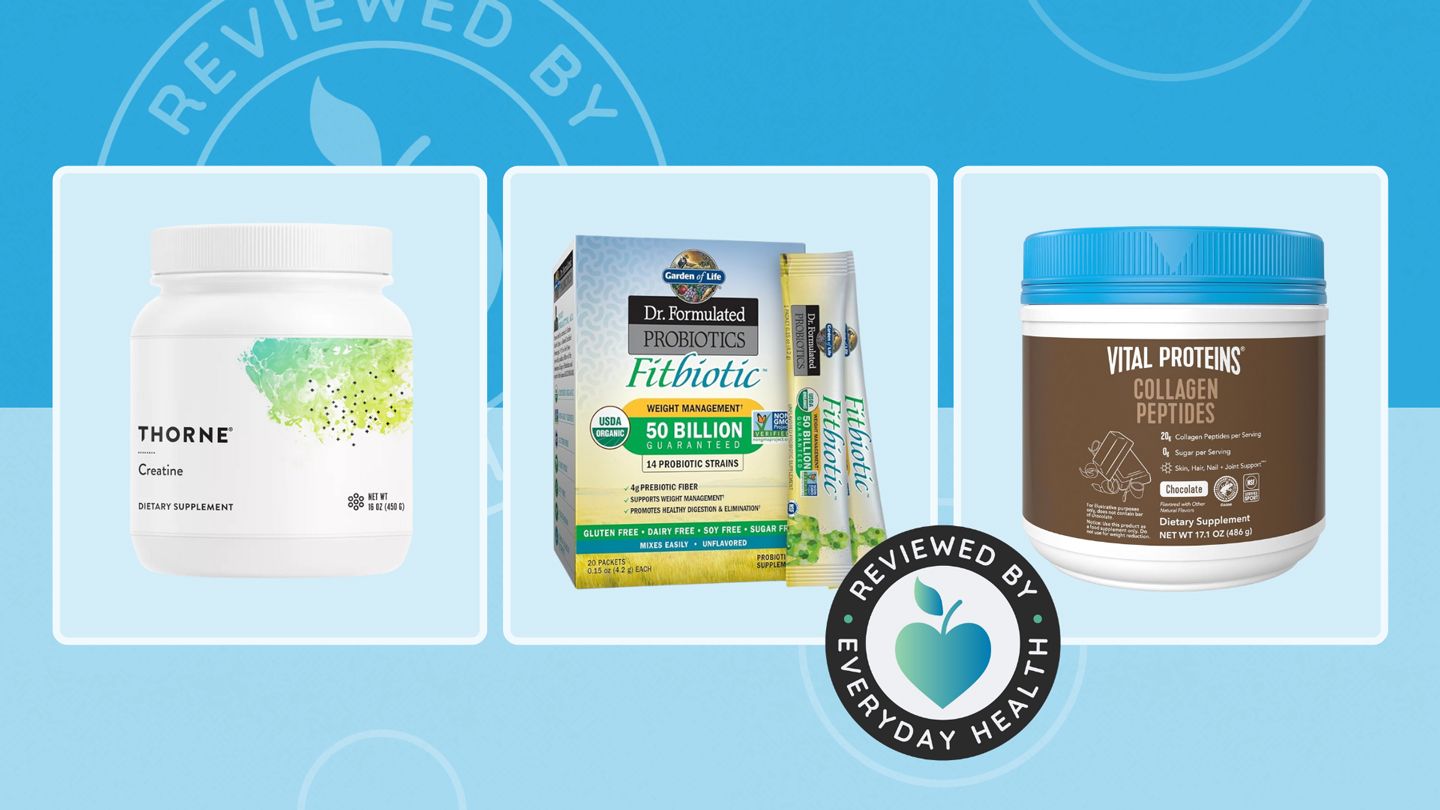
Best Diet Supplements in 2022: What the Evidence Says
Looking for the best diet supplements in 2022? The short answer is that no supplement works for everyone, and none can replace a balanced eating pattern, regular movement and sustainable habits. Some products may support specific goals, such as increasing protein or fibre intake, but evidence for many weight-loss pills is limited.
This guide looks at supplement types commonly discussed in 2022, what they may offer and what to consider before using them. It is general information, not personalised medical advice.
What makes a diet supplement worth considering?
A useful supplement should have a clear purpose, reliable evidence for that purpose and safety information that is easy to check. Be cautious of products promising rapid weight loss, “fat burning” without effort or dramatic results. These claims are often unsupported, and some products may contain ingredients that interact with medicines or cause harm.
Supplement types to know about
Protein powder
Protein powder can be a convenient way to add protein when food alone does not meet someone’s needs. Protein helps maintain muscle, and protein-rich foods can contribute to feeling satisfied after meals. However, a powder is not inherently better for weight loss than foods such as eggs, yoghurt, legumes, fish or tofu. Check the serving size, ingredients and added sugars, and use it as part of an overall eating plan rather than as a meal replacement by default.
Fibre supplements
Fibre supplements such as psyllium can help increase fibre intake. Some forms of soluble fibre may support fullness and bowel regularity, but they are not a quick weight-loss solution. Take these products exactly as directed, with enough water, and check with a health professional if you have swallowing difficulties, a bowel condition or take medicines that could be affected by fibre.
Caffeine
Caffeine is included in some weight-management products and may have a small, temporary effect on energy expenditure or alertness. It can also cause side effects such as poor sleep, restlessness, anxiety or a racing heartbeat, particularly at higher doses or when combined with other stimulants. Poor sleep can make healthy routines harder to maintain, so caffeine-based products are not suitable for everyone.
Green tea extract
Green tea as a drink can be part of a healthy diet, but concentrated green tea extract is different. Evidence for meaningful weight loss is limited, and concentrated extracts have been linked to liver injury in some cases. Avoid assuming that a “natural” ingredient is automatically safe, and seek medical advice before using concentrated extracts.
Products to approach with caution
In 2022, products containing ingredients such as garcinia cambogia, raspberry ketones and “detox” blends were often promoted for weight loss. Strong claims about these products are not supported by convincing evidence. “Detox” products may also rely on laxatives or diuretics, which can cause dehydration and do not produce lasting fat loss.
Be especially wary of supplements advertised as prescription-drug alternatives, or those sold with pressure tactics, hidden ingredients or promises of dramatic results. A long list of ingredients does not prove that a product is effective or safe.
Buying supplements in Australia
In Australia, some therapeutic goods are listed or registered with the Therapeutic Goods Administration (TGA). A product’s regulatory status does not mean it is guaranteed to produce weight loss. Check the product’s label and claims, and ask a pharmacist or doctor about possible interactions, particularly if you are pregnant, breastfeeding, managing a health condition or taking prescription medicines.
So, what were the best diet supplements in 2022?
There is no single best diet supplement. For many people, a protein powder or fibre supplement may be practical if it fills a genuine dietary gap. Stimulant-based products and supplements marketed as fat burners deserve extra caution, while many popular herbal weight-loss ingredients have weak evidence.
The most reliable foundation remains a realistic eating pattern, regular physical activity, adequate sleep and support from qualified health professionals. If you are considering a supplement, focus on a specific need, check the evidence and safety information, and discuss it with a doctor, dietitian or pharmacist first.
Important: This article is for general information only and is not a substitute for medical advice. Weight management needs vary from person to person.
8 Tips for Choosing Dietary Supplements: A 2022 Guide and What to Check Today
- There’s no single best supplement for everyone; choose based on your needs.
- Prioritise a balanced diet over supplements for everyday nutrition.
- Consider vitamin D only if intake or sun exposure is low, or a clinician advises it.
- Use vitamin B12 if following a vegan diet, with suitable guidance.
- Check with a GP or pharmacist before starting supplements, especially if pregnant or taking medicines.
- Choose products with clear ingredient lists and independent quality testing.
- Avoid ‘fat burner’ supplements; weight-loss claims may be unproven or risky.
- Check expiry dates and remember that 2022 product rankings may no longer be current.
There’s no single best supplement for everyone; choose based on your needs.
There’s no single “best” diet supplement for everyone—the right choice depends on your diet, health, goals and any medicines you take. Consider what you actually need, such as extra protein or fibre, and check the evidence, ingredients and safety information before buying. If you have a health condition, are pregnant or breastfeeding, or take medication, ask a doctor, dietitian or pharmacist for advice first.
Prioritise a balanced diet over supplements for everyday nutrition.
When choosing the best diet supplements in 2022, remember that supplements should complement—not replace—a balanced diet. For everyday nutrition, prioritise a variety of vegetables and fruit, wholegrains, protein-rich foods and healthy fats. These foods provide a broad mix of nutrients and fibre, while a supplement is generally best used to address a specific dietary need. If you’re unsure whether you need one, ask a doctor or Accredited Practising Dietitian for advice.
Consider vitamin D only if intake or sun exposure is low, or a clinician advises it.
Vitamin D may be worth considering if your dietary intake is low, you have limited sun exposure or a health professional recommends it. It is not a weight-loss supplement, and taking more than you need is unlikely to improve results and may be harmful. Ask your doctor or pharmacist whether testing or supplementation is appropriate for you, and follow their advice on the dose.
Use vitamin B12 if following a vegan diet, with suitable guidance.
If you follow a vegan diet, vitamin B12 is an important nutrient to consider because reliable natural sources are limited. A suitable B12 supplement or fortified food can help meet your needs, but the right option and dose depend on your circumstances. Ask a doctor or accredited practising dietitian for guidance, particularly if you have symptoms of deficiency or take medicines that may affect B12 levels.
Check with a GP or pharmacist before starting supplements, especially if pregnant or taking medicines.
Before starting any diet supplement, check with your GP or pharmacist, particularly if you’re pregnant or breastfeeding, have a health condition, or take prescription or over-the-counter medicines. Supplements can cause side effects or interact with medicines, and a health professional can help you assess whether a product is suitable and safe for you.
Choose products with clear ingredient lists and independent quality testing.
When choosing a diet supplement, look for a complete, easy-to-understand ingredient list that clearly states the amount of each ingredient per serve. Independent quality testing may help confirm that a product contains what its label claims and is screened for contaminants, but it does not prove the supplement is effective or right for you. Check for credible testing information, be wary of vague “proprietary blends” and exaggerated weight-loss promises, and ask a doctor or pharmacist for advice if you take medicines or have a health condition.
Avoid ‘fat burner’ supplements; weight-loss claims may be unproven or risky.
Avoid “fat burner” supplements when considering weight-loss products. Many rely on ingredients with limited evidence, and claims of rapid or effortless weight loss may be unproven. Some products can also cause side effects or interact with medicines, particularly if they contain stimulants. Check the ingredients and speak with a doctor or pharmacist before taking a supplement.
Check expiry dates and remember that 2022 product rankings may no longer be current.
Before buying a diet supplement, check its expiry date and make sure the packaging is intact. Also remember that products ranked as the “best” in 2022 may since have changed, been discontinued or been superseded by newer evidence and guidance. Check current product information and speak with a health professional if you’re unsure whether a supplement is suitable for you.