
Best Omega-3 Capsules for Weight Loss: What to Look For
Omega-3 capsules are often marketed as a way to support weight loss. But while omega-3 fats are important nutrients, there’s no good evidence that taking them on their own leads to meaningful fat loss. The best choice is therefore not necessarily a capsule labelled “for weight loss”, but a quality product that suits your needs and forms part of a broader, sustainable approach to health.
Can omega-3 capsules help with weight loss?
Omega-3 fatty acids, particularly EPA and DHA, have been studied for a range of health outcomes. Research into their effects on body weight and body fat is mixed, and any changes reported are generally small. Omega-3 capsules should not be considered a weight-loss treatment or a substitute for a balanced eating pattern, regular physical activity, sleep and other supportive habits.
If a product promises rapid or dramatic weight loss because it contains fish oil, be cautious. Weight loss claims can be overstated, and supplements may not have been tested to the standard of medicines.
What to look for in an omega-3 supplement
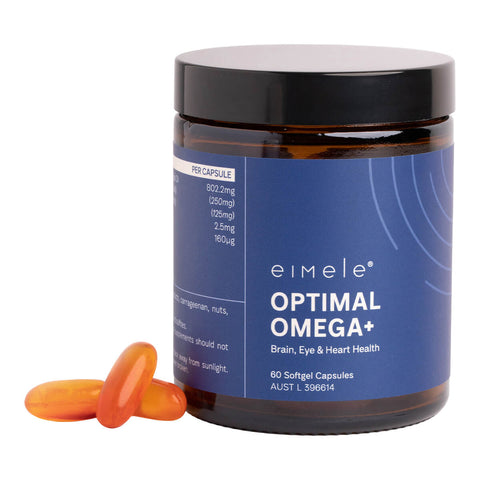
- Check the EPA and DHA amounts. The front label may show the total amount of fish oil, which is not the same as the amount of omega-3. Look at the nutrition or ingredient panel for the actual EPA and DHA content per capsule and per recommended serve.
- Choose a clearly labelled product. The source of the oil, serving size and directions should be easy to find. Avoid products that make vague claims or don’t clearly state what they contain.
- Consider quality and testing. Look for information about quality controls, freshness and testing for contaminants. Buy from a reputable Australian retailer and check the packaging is sealed and within its use-by date.
- Think about the source. Fish oil is a common option. Algal oil can provide DHA and, depending on the product, EPA as well, and may suit people who avoid fish.
- Compare value by EPA and DHA. A larger bottle or a high “fish oil” figure doesn’t necessarily mean better value. Compare the amount of EPA and DHA in the recommended daily serving.
How to choose the best option for you
There is no single best omega-3 capsule for weight loss, because omega-3 supplements have not been established as effective weight-loss products. If you’re considering one for general nutritional reasons, choose a product with transparent labelling and a dose appropriate to your circumstances. Follow the label directions, and ask a doctor or pharmacist for advice if you’re unsure.
Many people can get omega-3s from food, including oily fish such as salmon, sardines and mackerel. A health professional or accredited practising dietitian can help you work out whether a supplement is useful for you, particularly if you have dietary restrictions or a health condition.
Safety considerations
Omega-3 supplements can cause side effects such as fishy aftertaste, reflux, nausea or loose stools. They may also interact with medicines, including some medicines that affect blood clotting. Speak with your doctor or pharmacist before taking them if you use regular medication, have a medical condition, are pregnant or breastfeeding, or are preparing for surgery. Don’t exceed the product’s recommended dose unless a health professional advises you to.
In Australia, complementary medicines are regulated by the Therapeutic Goods Administration (TGA). Check the label for an AUST L or AUST R number and look up the product in the Australian Register of Therapeutic Goods if you want to confirm its listing. A listed product is not necessarily proven to cause weight loss, and evidence for a specific weight-loss claim should be considered separately.
A more reliable approach to weight management
For lasting weight management, focus on habits you can maintain rather than relying on a supplement. A balanced eating pattern, regular movement, adequate sleep and support from a qualified health professional can all play a role. If weight loss is a goal, an accredited practising dietitian or doctor can help create an approach that is safe and suited to your health needs.
The bottom line
The best omega-3 capsules for weight loss are not a proven category: omega-3 supplements have not been shown to reliably produce meaningful weight loss. If you choose to take one, compare the EPA and DHA content, check the product’s quality information and get personalised advice when needed. Treat omega-3 as a nutrient supplement—not a weight-loss shortcut.
This article is general information only and is not a substitute for medical advice.
8 Tips for Choosing Omega-3 Capsules: What to Know About Weight Loss
- Omega-3 capsules aren’t a proven weight-loss aid; focus on sustainable eating and activity.
- Choose products that clearly list EPA and DHA amounts per serving.
- Look for independent testing for purity and contaminant levels.
- Compare the EPA and DHA content, not just the total fish-oil amount.
- Take capsules with food if they cause fishy burps or stomach upset.
- Check with a health professional before use, especially if you take blood thinners.
- Avoid high-dose products unless a health professional recommends them.
- For weight loss, prioritise a modest energy deficit, protein-rich meals and regular movement.
Omega-3 capsules aren’t a proven weight-loss aid; focus on sustainable eating and activity.
Omega-3 capsules aren’t a proven way to lose weight, so it’s best not to rely on them for results. For more sustainable weight management, focus on eating a balanced range of nourishing foods and building regular physical activity into your routine. If you’re considering supplements or need help choosing an approach that suits your health, speak with your doctor or an accredited practising dietitian.
Choose products that clearly list EPA and DHA amounts per serving.
When comparing omega-3 capsules, choose products that clearly state the amounts of EPA and DHA per serving, rather than only listing the total fish oil. EPA and DHA are the main long-chain omega-3 fats, so transparent labelling makes it easier to compare products and understand how much you’ll get from the recommended dose. Keep in mind that omega-3 capsules haven’t been shown to reliably cause weight loss, so clear labelling is a quality and comparison guide—not a sign that a product will help you lose weight.
Look for independent testing for purity and contaminant levels.
When choosing omega-3 capsules, look for clear evidence of independent testing for purity and contaminants such as mercury and other heavy metals. Testing by a reputable third party can offer extra reassurance that the product matches its label and meets quality standards, although it doesn’t show that the capsules will cause weight loss. Check the packaging or manufacturer’s website for details, and ask a pharmacist if you’re unsure.
Compare the EPA and DHA content, not just the total fish-oil amount.
When comparing omega-3 capsules, check how much EPA and DHA each serve provides, rather than relying on the total fish-oil amount shown on the front of the pack. Fish oil contains other fats too, so a capsule labelled “1,000 mg fish oil” may provide considerably less EPA and DHA. Compare the amounts per recommended daily serve and follow the label directions; if you’re unsure what’s suitable for you, ask a doctor or pharmacist. Omega-3 supplements aren’t a proven weight-loss aid.
Take capsules with food if they cause fishy burps or stomach upset.
If omega-3 capsules give you fishy burps or an unsettled stomach, try taking them with a meal rather than on an empty stomach. Follow the product’s directions, and speak with a pharmacist or doctor if the symptoms persist or are bothersome.
Check with a health professional before use, especially if you take blood thinners.
Before taking omega-3 capsules, check with your doctor or pharmacist, particularly if you take blood-thinning medicines or have a bleeding disorder. Omega-3 supplements may affect blood clotting and could interact with some medicines, so a health professional can help you decide whether they’re suitable and what dose is appropriate.
Avoid high-dose products unless a health professional recommends them.
Avoid high-dose omega-3 capsules unless a doctor, pharmacist or dietitian recommends them for your needs. More isn’t necessarily better for weight loss, and large amounts may cause side effects or interact with medicines, including blood thinners. Check the EPA and DHA content on the label, follow the directions and ask a health professional before starting a supplement if you take medication or have a health condition.
For weight loss, prioritise a modest energy deficit, protein-rich meals and regular movement.
For weight loss, focus on the habits that make the biggest difference: aim for a modest energy deficit you can maintain, include protein-rich foods in meals to help with fullness and preserve muscle, and make regular movement part of your routine. Omega-3 capsules aren’t a shortcut to weight loss, so treat them as a supplement rather than a substitute for these fundamentals.