
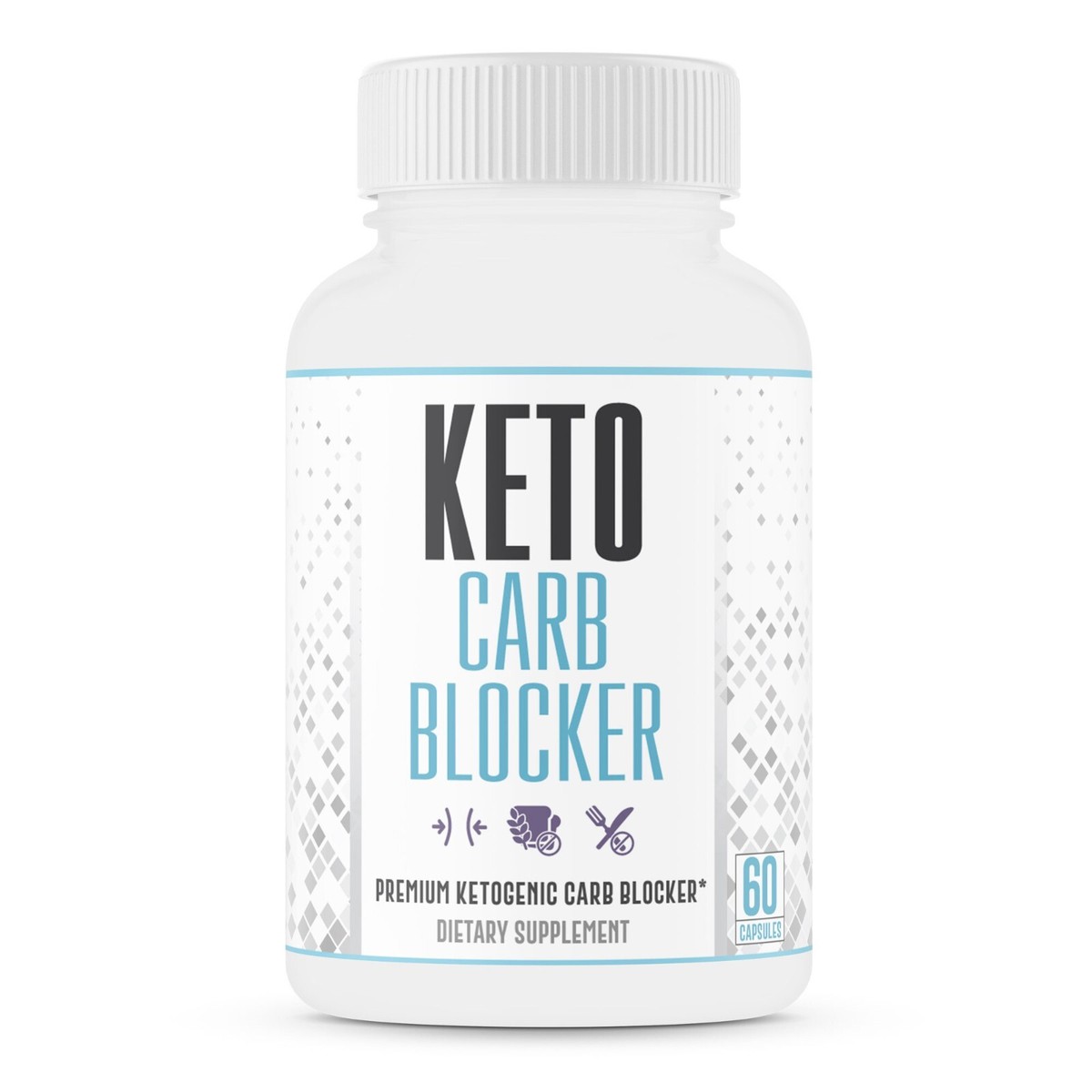
Keto Carb Blockers: What They Are and What to Know
“Keto carb blocker” is a term used for supplements marketed to people following a ketogenic diet. These products are generally promoted as a way to reduce the digestion or absorption of carbohydrates. However, they are not a shortcut to ketosis, and evidence for their benefits is limited. Understanding what they contain, how they may work and what risks they carry can help you make a more informed decision.
What is a carb blocker?
Carb blockers, sometimes called starch blockers, are supplements intended to interfere with the digestion of certain carbohydrates. Many contain an extract of white kidney bean (Phaseolus vulgaris). This ingredient may affect alpha-amylase, an enzyme involved in breaking down starch into smaller sugars.
Carb blockers are not the same as products that “block” every type of carbohydrate. They are generally aimed at starches found in foods such as bread, pasta, rice and potatoes. They are not designed to prevent the absorption of all sugars, and they do not cancel out the energy or carbohydrates in a meal.
How does this relate to the ketogenic diet?
A ketogenic, or keto, diet is usually very low in carbohydrates and higher in fat, with moderate protein. The aim is to encourage the body to produce ketones and use them as an energy source. The amount of carbohydrate needed to maintain ketosis varies from person to person.
Because a well-planned keto diet already limits carbohydrate intake, a carb blocker may have little practical value for someone following it. A supplement also cannot reliably compensate for eating more carbohydrates than your individual plan allows. Whether a person is in ketosis depends on several factors, including total carbohydrate intake, food choices and individual metabolism.
Do keto carb blockers work?
Research into carb-blocking supplements is limited, and findings from studies of particular ingredients cannot be assumed to apply to every product. Some studies have explored whether white kidney bean extract may modestly affect the digestion of starch or weight-related outcomes. The evidence is not strong enough to treat these supplements as a proven method for weight loss or for maintaining ketosis.
Results can also depend on the supplement’s ingredients, dose, quality and the person using it. A product’s marketing claims are not the same as reliable evidence. Be cautious of promises to “erase” carbohydrates, guarantee weight loss or keep you in ketosis regardless of what you eat.
Possible side effects and precautions
Carb-blocking supplements may cause digestive symptoms, such as wind, bloating, abdominal discomfort or changes in bowel habits. This may be more noticeable when a product is taken with a large or unfamiliar meal.
Speak with a doctor or pharmacist before using one if you:
- have a medical condition, including diabetes or a digestive disorder;
- take prescription or over-the-counter medicines;
- are pregnant, breastfeeding or planning a pregnancy; or
- have allergies or have reacted to supplement ingredients before.
People with diabetes should be particularly careful with changes to diet or supplements, as these may affect blood glucose management. Do not change prescribed medicines or your treatment plan without guidance from your health professional.
Choosing supplements in Australia
In Australia, therapeutic goods are regulated by the Therapeutic Goods Administration (TGA). If a product is presented as a therapeutic good, check whether it is included in the Australian Register of Therapeutic Goods (ARTG), and read the label carefully. An ARTG listing does not mean a supplement is suitable for everyone or guaranteed to deliver a particular result.
Check the active ingredients, directions and warnings, and be wary of products with unclear ingredient amounts or sweeping claims. If you are unsure about a product, ask a pharmacist or doctor to review it with you.
More reliable ways to approach keto
If you choose to follow a ketogenic diet, focus on a balanced and sustainable eating pattern rather than relying on a supplement. Consider working with an accredited practising dietitian, particularly if you have a health condition or take medication. A dietitian can help you plan meals that meet your nutritional needs and discuss whether keto is appropriate for you.
Weight management and metabolic health are influenced by more than a single supplement. Food quality, overall energy intake, physical activity, sleep and long-term habits all matter. A carb blocker should not replace these foundations or professional advice.
The bottom line
Keto carb blockers are supplements marketed to reduce the digestion of some starches, but evidence for meaningful benefits is limited. They do not block all carbohydrates, guarantee weight loss or ensure that you remain in ketosis. If you are considering one, check the ingredients and Australian regulatory status, and speak with a health professional—especially if you have a medical condition or take medication.
9 Potential Benefits of Keto Carb Blockers
- May help reduce digestion of some starches.
- Can complement a low-carbohydrate eating plan.
- May support portion-conscious eating habits.
- Often available in easy-to-take capsule form.
- Ingredient lists can be checked before purchase.
- May suit adults seeking extra dietary support.
- Can encourage awareness of carbohydrate intake.
- Some products use plant-derived ingredients.
- Offers another option to discuss with a health professional.
7 Drawbacks of Keto Carb Blockers
- Evidence of effectiveness is limited.
- Does not block all carbohydrates.
- Cannot guarantee ketosis.
- May cause bloating or wind.
- May interact with medicines.
- Product quality can vary.
- Does not replace a balanced diet.
May help reduce digestion of some starches.
Some keto carb blockers contain ingredients, such as white kidney bean extract, that may interfere with enzymes involved in digesting certain starches. This could reduce how much of those starches is broken down in the digestive tract, although the effect may vary between products and people. Carb blockers do not prevent the digestion of all carbohydrates, and evidence of a meaningful benefit is limited.
Can complement a low-carbohydrate eating plan.
A keto carb blocker may be marketed as an add-on to a low-carbohydrate eating plan, but it shouldn’t be relied on to offset carbohydrate intake or maintain ketosis. Evidence for meaningful benefits is limited, so prioritise a balanced, sustainable approach and check with a health professional before using a supplement.
May support portion-conscious eating habits.
A keto carb blocker may encourage more portion-conscious eating by prompting you to pause and consider the carbohydrate content and serving size of a meal. However, it shouldn’t be treated as permission to eat larger portions or as a substitute for balanced, mindful eating habits.
Often available in easy-to-take capsule form.
One practical advantage of some keto carb blockers is their easy-to-take capsule format. Capsules are simple to carry and use as directed, which may suit people who prefer not to measure powders or mix supplements into drinks. However, convenience doesn’t indicate effectiveness, so check the product label and speak with a health professional if you’re unsure whether it’s suitable for you.
Ingredient lists can be checked before purchase.
One practical advantage of keto carb blockers is that you can check the ingredient list before buying. This lets you review the active ingredients, amounts, allergens and other components, and compare products against your needs. If anything is unclear—or you have a health condition, take medication, or have known allergies—ask a pharmacist or doctor for advice before use.
May suit adults seeking extra dietary support.
For adults seeking extra dietary support, a keto carb blocker may be one option to discuss with a health professional as part of a broader nutrition plan. It should not replace balanced food choices or healthy habits, and evidence for meaningful benefits is limited. Check the ingredients and seek advice from a doctor or pharmacist, particularly if you take medicines or have an existing health condition.
Can encourage awareness of carbohydrate intake.
A keto carb blocker may prompt you to pay closer attention to how much carbohydrate you eat and which foods contain it. Checking labels and reflecting on meal choices can help build greater awareness of your eating habits. However, the supplement itself doesn’t cancel out carbohydrates or guarantee ketosis, so it’s best viewed as a possible reminder rather than a substitute for a balanced, well-planned approach.
Some products use plant-derived ingredients.
Some keto carb blockers contain plant-derived ingredients, such as white kidney bean extract. This may appeal to people who prefer products made with botanical ingredients. However, “plant-derived” does not automatically mean a product is safe or effective, so check the full ingredient list, follow the label directions and seek advice from a doctor or pharmacist if you have a health condition or take medication.
Offers another option to discuss with a health professional.
A keto carb blocker may offer another option to discuss with a health professional if you’re considering supplements alongside a ketogenic diet. A doctor, pharmacist or accredited practising dietitian can help you assess the ingredients, evidence, possible side effects and suitability for your circumstances, including any medicines you take. It’s best to treat it as a topic for informed discussion, rather than a proven way to manage carbohydrate intake or achieve weight-loss goals.
Evidence of effectiveness is limited.
Evidence for the effectiveness of keto carb blockers is limited. Some ingredients have been studied for their potential to affect the digestion of starch, but research does not establish that these supplements reliably support weight loss or help people stay in ketosis. Results may also vary between products and individuals, so claims of guaranteed or significant benefits should be treated with caution.
Does not block all carbohydrates.
A key limitation of keto carb blockers is that they do not block all carbohydrates. Many are designed to affect the digestion of some starches, but they won’t stop your body absorbing every carbohydrate, including many sugars. So they can’t cancel out the carbs in a meal or guarantee that you’ll stay in ketosis.
Cannot guarantee ketosis.
Keto carb blockers cannot guarantee ketosis. They may be marketed as reducing the digestion of some starches, but they do not block all carbohydrates or reliably control how your body responds to food. Ketosis depends on factors such as your overall carbohydrate intake and individual metabolism, so taking a blocker is no substitute for following an appropriate eating plan.
May cause bloating or wind.
Keto carb blockers may cause digestive discomfort, including bloating and wind. This can happen because some carbohydrates are not fully digested in the gut, where they may be fermented by bacteria. The effects vary between people and may depend on the product and dose. If symptoms are persistent or severe, stop taking the supplement and speak with a health professional.
May interact with medicines.
Keto carb blockers may interact with some medicines or affect how your body responds to them, particularly medicines for diabetes that influence blood glucose levels. Supplement ingredients can vary, so it’s important to check the label and speak with your doctor or pharmacist before use—especially if you take prescription or over-the-counter medicines. Do not stop or change prescribed treatment without medical advice.
Product quality can vary.
Product quality can vary between keto carb blockers, and labels may not always make it easy to compare ingredients, amounts or manufacturing standards. Some products may contain different formulations or unclear ingredient quantities, so the results and potential side effects can also differ. Check the label carefully, be wary of exaggerated claims, and ask a pharmacist or doctor for advice if you’re unsure about a product.
Does not replace a balanced diet.
A keto carb blocker does not replace a balanced diet. It cannot make up for meals that lack essential nutrients or reliably offset a high intake of carbohydrates. For better health, focus on varied, nourishing foods that suit your needs, and treat supplements as no substitute for sound eating habits or advice from a qualified health professional.