
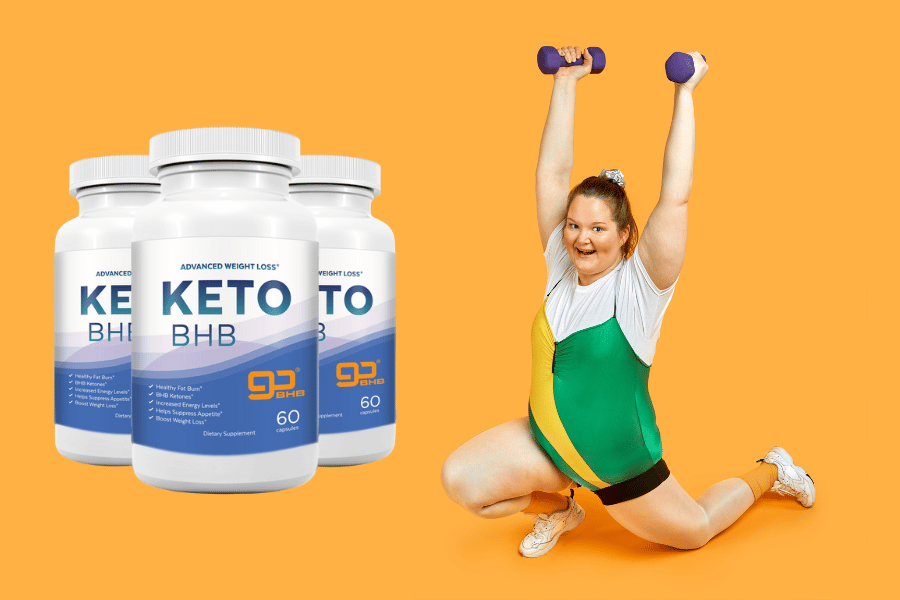
Keto Fat-Burning Pills for Weight Loss: What You Need to Know
Keto fat-burning pills are marketed as a shortcut to weight loss, often with claims that they help the body burn fat, reach ketosis faster or reduce appetite. But these products are not a substitute for a ketogenic diet, and there is limited reliable evidence that they lead to meaningful, lasting weight loss.
Before trying a supplement, it helps to understand what ketosis is, what these products contain and what risks to consider.
What is ketosis?
Ketosis is a metabolic state that can occur when carbohydrate intake is very low. With less carbohydrate available, the body produces ketones from fat to use as an alternative fuel source. A ketogenic diet typically involves restricting carbohydrate and eating more fat, with an appropriate amount of protein.
Dietary supplements cannot reproduce all the effects of following a ketogenic diet. Taking a product labelled “keto” does not necessarily mean you are in ketosis or that your body is burning more stored body fat.
What’s in keto fat-burning pills?
Products marketed for keto weight loss may contain ingredients such as:
- Exogenous ketones: Often ketone salts, such as beta-hydroxybutyrate (BHB), intended to raise ketone levels in the blood. A temporary rise in ketones does not prove that the product increases body-fat loss.
- Medium-chain triglycerides (MCTs): A type of fat that is processed differently from some other fats. MCTs still contain energy, and evidence that they cause substantial weight loss is limited.
- Caffeine or other stimulants: These may affect alertness and appetite in the short term, but can also cause side effects such as jitters, sleep problems or a faster heartbeat.
- Herbal extracts and blends: Evidence, doses and product quality can vary. A “natural” ingredient is not automatically safe or effective.
Do keto pills help with weight loss?
There is not strong evidence that keto fat-burning pills produce significant, sustained weight loss on their own. Some people may see short-term changes on the scales when changing their diet, but these can reflect water loss as well as changes in body fat. Individual results vary, and supplement claims should be viewed with caution.
Be sceptical of promises such as “rapid fat burning”, “effortless weight loss” or guaranteed results. Weight management is influenced by many factors, including eating patterns, activity, sleep, health conditions, medicines and personal circumstances.
Possible side effects and safety concerns
Depending on the ingredients and dose, supplements may cause nausea, diarrhoea, abdominal discomfort, headaches, sleep disturbance or a racing heartbeat. Products can also interact with medicines or be unsuitable for people with certain health conditions.
Seek advice from a doctor or pharmacist before using a weight-loss supplement if you:
- are pregnant, breastfeeding or under 18;
- have diabetes, kidney or liver disease, high blood pressure or a heart condition;
- take prescription medicines or other supplements; or
- have a history of disordered eating.
Do not stop or change prescribed medicines to start a ketogenic diet or supplement. If a product causes concerning symptoms, stop taking it and seek medical advice.
Choosing supplements in Australia
In Australia, many complementary medicines are listed on the Australian Register of Therapeutic Goods (ARTG). An ARTG listing is not a guarantee that a product will cause weight loss or work for everyone. Check the product’s ingredients, directions and warnings, and look up its ARTG details through the Therapeutic Goods Administration (TGA) if relevant. Avoid products with unclear ingredient lists, extreme claims or no Australian contact details.
Never assume that a product is safe because it is sold online or described as “natural”. If you are unsure, ask a health professional to review the product and its ingredients.
Safer ways to support weight management
For many people, sustainable progress is more likely to come from realistic habits than from a “fat-burning” pill. A health professional can help you choose an approach that suits your health and circumstances. Helpful foundations may include balanced meals, regular physical activity, adequate sleep and support for stress or other factors affecting eating habits.
If you are considering a ketogenic diet, speak with a doctor or an accredited practising dietitian first, particularly if you have a medical condition or take regular medication. The diet can be restrictive and may not be appropriate for everyone.
The bottom line
Keto fat-burning pills are not a proven shortcut to lasting weight loss, and a supplement labelled “keto” does not guarantee ketosis or fat loss. Check the evidence and ingredients, consider potential risks, and get personalised advice before taking a product. A qualified health professional can help you find a safe, realistic plan that fits your needs.
This article is general information only and is not a substitute for personalised medical advice.
5 Essential Tips to Consider Before Using Keto Fat-Burning Pills for Weight Loss
- Keto fat-burning pills aren’t proven to deliver meaningful weight loss.
- Check the ingredients and avoid products with unclear labels or bold claims.
- Ask your GP or pharmacist before use, especially if you take medicines or have a health condition.
- Don’t use pills as a substitute for nutritious food, activity or sleep.
- For lasting weight loss, seek advice from an Accredited Practising Dietitian.
Keto fat-burning pills aren’t proven to deliver meaningful weight loss.
Keto fat-burning pills aren’t proven to deliver meaningful, lasting weight loss. Products marketed as “keto” may temporarily raise ketone levels, but that doesn’t necessarily mean they help your body burn more stored fat or lead to lasting changes on the scales. Be cautious of big promises, check the ingredients and speak with a doctor or pharmacist before taking a supplement—especially if you have a health condition or take medication.
Check the ingredients and avoid products with unclear labels or bold claims.
Before buying keto fat-burning pills, check the full ingredient list, dosage and safety warnings, and avoid products with vague labels or “proprietary blends” that don’t disclose how much of each ingredient they contain. Be wary of bold promises such as rapid, effortless or guaranteed weight loss—these claims aren’t a substitute for reliable evidence. If you’re unsure about a product, ask a doctor or pharmacist to review it, particularly if you take medication or have a health condition.
Ask your GP or pharmacist before use, especially if you take medicines or have a health condition.
Before using keto fat-burning pills, speak with your GP or pharmacist, particularly if you take prescription or over-the-counter medicines, have an ongoing health condition, or are pregnant or breastfeeding. Supplements can cause side effects or interact with medicines, and a health professional can help you check whether a product is appropriate and safe for you.
Don’t use pills as a substitute for nutritious food, activity or sleep.
Keto fat-burning pills shouldn’t replace the everyday habits that support health and weight management. Aim for nutritious, balanced meals, regular physical activity and enough quality sleep rather than relying on a supplement for results. These foundations are more sustainable and support overall wellbeing; if you’re considering keto pills, speak with a doctor or pharmacist first, especially if you take medication or have a health condition.
For lasting weight loss, seek advice from an Accredited Practising Dietitian.
For lasting weight loss, seek advice from an Accredited Practising Dietitian (APD). An APD can help you assess claims about keto fat-burning pills, consider potential risks and develop a practical eating plan that suits your health, preferences and lifestyle. They can also support you to set realistic goals and build habits that are more sustainable than relying on supplements alone.