
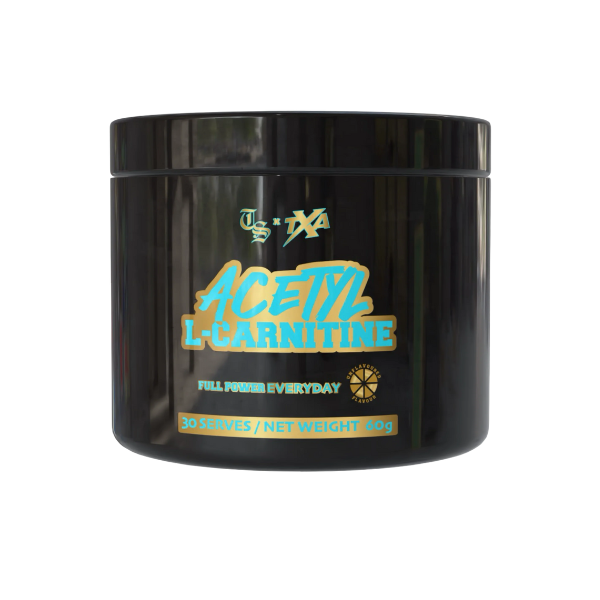
Non-Thermogenic Fat Burners: What Are They and Do They Work?
“Non-thermogenic fat burner” is a term used for supplements marketed to support weight management without deliberately raising the body’s heat production. Unlike products that rely on stimulants such as caffeine, these supplements are often promoted as working through appetite control, nutrient absorption or other processes.
The name can sound convincing, but it does not guarantee that a product burns body fat or is effective. Evidence varies between ingredients, and supplements should not replace established approaches to weight management or advice from a health professional.
What does “non-thermogenic” mean?
Thermogenic products are intended to increase thermogenesis—the process by which the body produces heat and uses energy. Some contain stimulants that may temporarily affect alertness, heart rate or energy expenditure.
Non-thermogenic products are generally marketed as working without that stimulant-driven effect. They may contain ingredients claimed to influence appetite, digestion, carbohydrate use or fat absorption. “Non-thermogenic”, however, is a marketing description rather than proof of a particular effect. Products can also contain several ingredients, including stimulants, so it’s important to check the full label.
Ingredients commonly found in these supplements
Formulas differ, but some products may include:
- Fibre, such as glucomannan: Fibre can help with fullness when taken with enough water. Evidence that it produces meaningful, lasting weight loss is limited, and it may interfere with the absorption of some medicines.
- Green tea extract: Some products use it for its plant compounds. Research does not establish it as a reliable weight-loss treatment, and concentrated extracts may carry risks, including rare liver problems.
- White kidney bean extract: This is often promoted as a carbohydrate-blocking ingredient. Studies are limited, and results should not be assumed to apply to every product.
- Garcinia cambogia: It is marketed for appetite or weight control, but evidence of benefit is uncertain. There have also been reports of adverse effects, including liver-related concerns.
- Other plant extracts or nutrients: Ingredients such as chromium or various botanical extracts may appear in formulas, but their presence does not demonstrate that the product causes fat loss.
Research on an individual ingredient may not reflect the dose, combination or quality of a particular supplement. A study showing a small effect under specific conditions is not a guarantee of results for consumers.
Can a non-thermogenic fat burner help with weight loss?
There is no strong basis for treating non-thermogenic fat burners as a dependable way to lose body fat. Some ingredients may affect fullness or other measures in certain people, but any effect is often modest, uncertain or not well studied over the long term.
Weight changes are influenced by many factors, including eating patterns, physical activity, sleep, health conditions, medicines and life circumstances. No supplement can reliably compensate for these factors, and claims of rapid or effortless fat loss should be treated with caution.
Safety and choosing a product in Australia
“Natural” does not automatically mean safe. Supplements can cause side effects or interact with prescription medicines and other products. Be especially cautious if you are pregnant or breastfeeding, have a medical condition, or take regular medication. Speak with a GP or pharmacist before using a weight-loss supplement.
In Australia, check whether a therapeutic product is included in the Australian Register of Therapeutic Goods (ARTG), and look for its AUST L or AUST R number where applicable. An ARTG listing does not mean a product is guaranteed to work for you. It is also wise to check the ingredients, directions, warnings and manufacturer details, and to avoid products with undisclosed blends or exaggerated claims.
Stop using a product and seek medical advice if you experience concerning symptoms. Do not exceed the label directions or combine multiple weight-loss supplements without professional advice.
Evidence-based ways to support weight management
For many people, a sustainable approach is more useful than relying on a “fat burner”. This may include choosing nourishing foods, finding enjoyable ways to be active, getting adequate sleep and setting realistic goals. A GP or accredited practising dietitian can help tailor advice to your health, preferences and circumstances.
The bottom line
Non-thermogenic fat burners are supplements marketed to support weight management without intentionally increasing heat production. Their ingredients and evidence vary, and the label does not prove that a product burns fat or is safe for everyone. Review claims carefully, check product details and seek advice from a qualified health professional before taking a supplement.
This article is for general information only and is not a substitute for personalised medical advice.
6 Potential Advantages of Non-Thermogenic Fat Burners
- Usually avoids stimulant-driven heat production.
- May suit people seeking stimulant-free options.
- Some formulas include fibre to support fullness.
- Can complement healthy eating and activity habits.
- Ingredient labels can help compare formulations.
- May be discussed with a GP or pharmacist before use.
7 Drawbacks of Non-Thermogenic Fat Burners
- Evidence for weight-loss benefits is limited.
- Results may be small or inconsistent.
- “Non-thermogenic” does not mean risk-free.
- Ingredients may interact with medicines.
- Some products can cause side effects.
- Quality and ingredient amounts can vary.
- Supplements cannot replace sustainable lifestyle changes.
Usually avoids stimulant-driven heat production.
A potential advantage of a non-thermogenic fat burner is that it is generally designed to avoid stimulant-driven heat production, which may make it more suitable for people who prefer to limit stimulants such as caffeine. However, formulations vary, so check the ingredient list carefully—some products may still contain stimulants—and speak with a GP or pharmacist if you have health concerns or take medication.
May suit people seeking stimulant-free options.
A non-thermogenic fat burner may suit people looking for a stimulant-free option, particularly if they prefer to avoid caffeine or other ingredients that can cause jitters or affect sleep. However, “non-thermogenic” doesn’t always mean stimulant-free, so check the full ingredient list and speak with a GP or pharmacist if you’re unsure whether a product is appropriate for you.
Some formulas include fibre to support fullness.
Some non-thermogenic fat burner formulas include fibre, which can help you feel fuller for longer when taken with adequate water. This may support appetite management as part of a balanced eating plan, although the effect varies between people and does not guarantee weight loss. Check the product directions and speak with a health professional if you take medicines, as fibre supplements can affect how some medicines are absorbed.
Can complement healthy eating and activity habits.
A non-thermogenic fat burner may complement healthy eating and regular physical activity as part of a broader weight-management plan. It should not be seen as a substitute for balanced meals, movement or professional advice, and any potential benefit will depend on the product’s ingredients and the individual. Check the label carefully and speak with a GP or pharmacist before use, particularly if you take medication or have a health condition.
Ingredient labels can help compare formulations.
Clear ingredient labels can make it easier to compare non-thermogenic fat burner formulations. By checking the active ingredients, amounts per serving, and any added stimulants, you can see how products differ and identify ingredients you may need to avoid. Labels don’t prove a product is effective or suitable for you, so check the claims carefully and ask a GP or pharmacist if you’re unsure.
May be discussed with a GP or pharmacist before use.
One potential advantage of a non-thermogenic fat burner is that its use can be discussed with a GP or pharmacist beforehand. They can review the ingredients, check for possible interactions with medicines or health conditions, and help you decide whether the product is appropriate for you. This is particularly important during pregnancy or breastfeeding, or if you have an ongoing health concern.
Evidence for weight-loss benefits is limited.
Evidence for weight-loss benefits from non-thermogenic fat burners is limited. Some ingredients have been studied, but findings are often mixed, modest or based on short-term research, so they may not reflect how a finished product works in everyday use. These supplements should not be relied on as a proven way to lose weight; speak with a GP or accredited practising dietitian for advice suited to your circumstances.
Results may be small or inconsistent.
Results from non-thermogenic fat burners may be small or inconsistent. Some ingredients have limited research, and any effects can vary between people or may not be noticeable at all. Supplements are not a substitute for sustainable eating habits, regular physical activity or personalised advice from a health professional.
“Non-thermogenic” does not mean risk-free.
“Non-thermogenic” doesn’t mean risk-free. These products may still cause side effects or interact with medicines, and some ingredients can be unsuitable for people with certain health conditions. “Natural” ingredients aren’t automatically safe, either, so check the label carefully and speak with a GP or pharmacist before taking a supplement—especially if you’re pregnant, breastfeeding or taking regular medication.
Ingredients may interact with medicines.
Ingredients in non-thermogenic fat burners may interact with prescription medicines, over-the-counter medicines or other supplements, potentially changing how they work or increasing the risk of side effects. Plant extracts and concentrated ingredients can still have significant effects, even when a product is labelled “natural”. Check the full ingredient list with a GP or pharmacist before taking a fat burner, particularly if you use regular medication or have an existing health condition.
Some products can cause side effects.
Some non-thermogenic fat burners can cause side effects, even when they’re marketed as natural or stimulant-free. Depending on the ingredients, people may experience digestive discomfort, nausea, headaches or interactions with medicines. Check the product label carefully and speak with a GP or pharmacist before taking a supplement, particularly if you have a health condition, take medication, or are pregnant or breastfeeding.
Quality and ingredient amounts can vary.
The quality and ingredient amounts in non-thermogenic fat burners can vary between brands and even between batches. Some products may not contain the amounts shown on the label, while multi-ingredient blends can make it difficult to tell how much of each ingredient you’re taking. This uncertainty can affect both safety and effectiveness, so check the product’s ingredients and warnings carefully, and speak with a GP or pharmacist before use.
Supplements cannot replace sustainable lifestyle changes.
Non-thermogenic fat burners can’t replace sustainable lifestyle changes. They may be marketed as a shortcut, but they won’t build the long-term habits that support health and weight management, such as eating a balanced diet, staying active and getting enough sleep. Relying on a supplement alone may lead to disappointment, so it’s best to view any product as no substitute for practical, lasting changes—and to seek advice from a health professional before using it.