
Number One Weight Loss Pill: Is There a Best Choice?
Search for the “number one weight loss pill” and you’ll find plenty of bold promises. But there is no single pill that is best for everyone. What may be suitable depends on a person’s health, medicines, weight-related risks and goals. Any weight-loss medicine should be considered with a qualified health professional—not chosen on the strength of advertising alone.
What counts as a weight-loss pill?
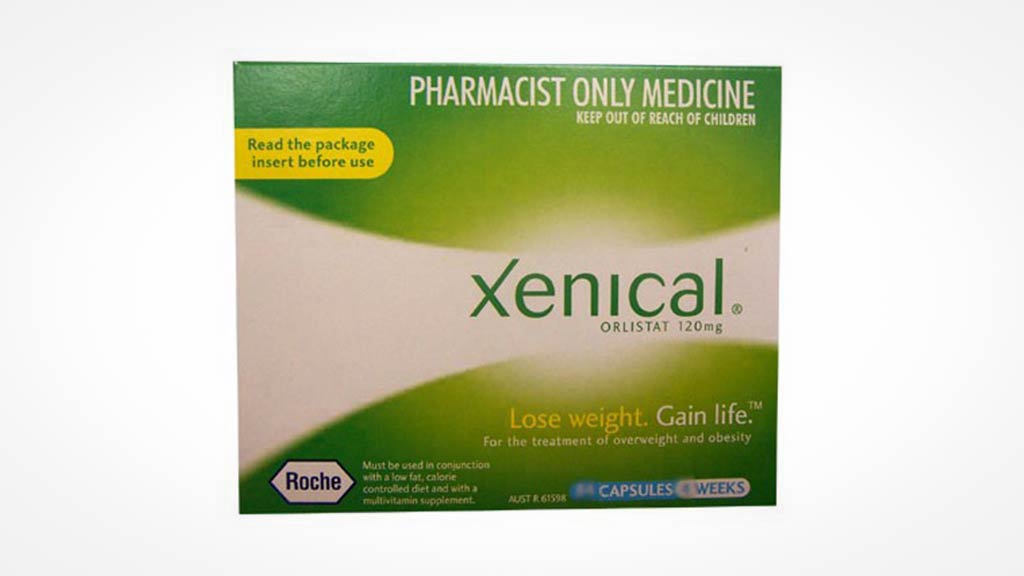
The phrase can refer to prescription medicines or over-the-counter supplements. These are not the same. Prescription medicines are intended for specific patients and need medical assessment. Supplements may contain ingredients such as fibre, caffeine or plant extracts, but evidence for meaningful, lasting weight loss varies, and “natural” does not automatically mean safe.
Some widely discussed weight-loss medicines are injections rather than pills. The form of a medicine, its availability and its suitability can differ, so check current Australian information with a doctor or pharmacist.
How to assess a product
- Look for reliable evidence: Be wary of claims such as “melt fat fast” or guaranteed results. A product’s marketing is not proof that it works.
- Check its Australian status: Search the Therapeutic Goods Administration (TGA) website and ask a pharmacist what the product’s listing or registration means. TGA listing alone should not be taken as proof that a supplement produces substantial weight loss.
- Review the ingredients: Stimulants and other active ingredients can cause side effects or interact with medicines and health conditions.
- Consider the evidence and risks together: Ask about likely benefits, common side effects, who should avoid the product and what follow-up is needed.
- Be cautious with online sellers: Unapproved or counterfeit products may contain undisclosed ingredients. Avoid products that are promoted as prescription-strength without a prescription.
Prescription treatment needs medical advice
A doctor can assess whether medication is appropriate, discuss alternatives and monitor progress and side effects. Weight-loss medicines are not suitable for everyone, and they are generally considered alongside nutrition, physical activity, sleep and other health support. Do not start, stop or combine medicines or supplements without checking with a health professional.
In Australia, eligibility, prescribing rules and product availability can change. A GP or pharmacist can provide advice based on current guidance and your circumstances. If you experience a serious or unexpected reaction, seek medical help promptly.
What about lasting weight loss?
No pill can guarantee lasting results. A realistic plan usually focuses on sustainable habits and support suited to the individual. That might include help from a GP, accredited practising dietitian or other qualified health professional. Progress can be gradual, and weight is influenced by many factors, including health conditions, medicines, stress and sleep.
The bottom line
There is no universally “number one” weight-loss pill. The safest choice is not necessarily the most popular or heavily advertised product—it is an evidence-informed option that a qualified professional considers appropriate for you. Before buying a pill or supplement, check its claims, ingredients and Australian status, and speak with a GP or pharmacist.
This article is general information only and is not a substitute for medical advice, diagnosis or treatment.
6 Potential Benefits of Medically Supervised Weight-Loss Medication
- May support weight management when medically appropriate
- Can complement healthy eating and physical activity
- Some prescription options have clinical evidence
- A health professional can tailor treatment to your needs
- Monitoring can help manage side effects
- May help address weight-related health risks
6 Drawbacks of the ‘Number One’ Weight Loss Pill
- No single pill is best for everyone.
- Results can vary from person to person.
- Side effects may occur.
- Supplements may have limited evidence.
- Products can interact with medicines.
- Weight loss may not last after stopping.
May support weight management when medically appropriate
When medically appropriate, a weight-loss medicine may support weight management as part of a broader care plan. A doctor can assess whether it suits your health needs, explain its potential benefits and risks, and monitor your progress. It is not a standalone solution, and results vary; it is generally used alongside sustainable eating habits, physical activity and ongoing professional support.
Can complement healthy eating and physical activity
A weight-loss medicine may complement healthy eating and regular physical activity for some people, as part of a plan developed with a health professional. It isn’t a substitute for nutritious meals or movement, and results vary. Speak with your GP or pharmacist to check whether a medicine is suitable for you and how to use it safely.
Some prescription options have clinical evidence
Some prescription weight-loss medicines have been studied in clinical trials, providing evidence about their effectiveness, side effects and suitability for certain people. This evidence can help a doctor decide whether a medicine may be appropriate as part of a broader weight-management plan. Results vary, and prescription options require medical assessment and monitoring; they are not suitable for everyone.
A health professional can tailor treatment to your needs
A key advantage of seeking advice about a weight-loss pill is that a health professional can tailor treatment to your needs. They can consider your health history, current medicines, weight-management goals and any potential risks before discussing suitable options. They can also explain what results to expect, help monitor your progress and adjust the plan if needed—so treatment is more informed and better suited to you.
Monitoring can help manage side effects
Regular monitoring by a doctor or pharmacist can help identify and manage side effects when taking a weight-loss medicine. Check-ins provide an opportunity to discuss how you’re feeling, review your progress and assess whether the dose or treatment plan needs adjusting. Seek medical advice about any new or concerning symptoms, and don’t change your dose or stop a prescribed medicine without guidance.
May help address weight-related health risks
When prescribed as part of a personalised treatment plan, a weight-loss medicine may help reduce some health risks associated with excess weight, such as high blood pressure or blood sugar levels. The benefits vary from person to person and depend on the medicine and overall care plan, so it’s important to discuss potential benefits and risks with a GP or pharmacist.
No single pill is best for everyone.
There’s no single weight-loss pill that’s best for everyone, because what’s suitable depends on a person’s health, medicines, weight-loss goals and tolerance of side effects. A product that may be appropriate for one person could be ineffective or unsafe for another. Before trying any weight-loss medicine or supplement, speak with a GP or pharmacist to discuss the potential benefits, risks and alternatives.
Results can vary from person to person.
Results from a weight-loss pill can vary from person to person. Factors such as health, metabolism, diet, activity levels, other medicines and how the product is used may affect its impact. Some people may notice little or no change, while others may experience side effects. There’s no guarantee of a particular result, so speak with a GP or pharmacist before using a weight-loss product.
Side effects may occur.
Side effects may occur with any weight-loss pill, and the risks depend on the product, its ingredients and your health. Some people may experience issues such as nausea, headaches, changes in bowel habits, sleep problems or a faster heartbeat. Supplements can also interact with prescription medicines, and products bought online may contain undisclosed ingredients. Before using a weight-loss pill, speak with a GP or pharmacist, check the product’s ingredients and seek medical advice if you notice unexpected symptoms.
Supplements may have limited evidence.
One drawback of many products promoted as the number one weight loss pill is that supplements may have limited evidence to support their effectiveness. A product’s popularity or confident marketing claims don’t prove it will lead to meaningful, lasting weight loss, and research on its ingredients may be scarce or inconclusive. Check the evidence and ingredients carefully, and speak with a GP or pharmacist before using a supplement, particularly if you take medicines or have an existing health condition.
Products can interact with medicines.
Weight-loss pills and supplements can interact with prescription medicines, over-the-counter treatments or other supplements, potentially changing how they work or increasing the risk of side effects. Ingredients such as stimulants may be particularly concerning for people taking medicines for blood pressure, heart conditions or mental health. Before using any weight-loss product, check its ingredients with a GP or pharmacist and share a complete list of the medicines and supplements you take.
Weight loss may not last after stopping.
One drawback of a “number one” weight-loss pill is that the results may not last after you stop taking it. Appetite or other effects may return, and weight can gradually be regained—particularly if the medicine isn’t paired with sustainable changes to eating, activity and other health habits. Results vary, so discuss how long treatment may be needed and how to maintain progress with a GP or pharmacist before starting or stopping a product.