
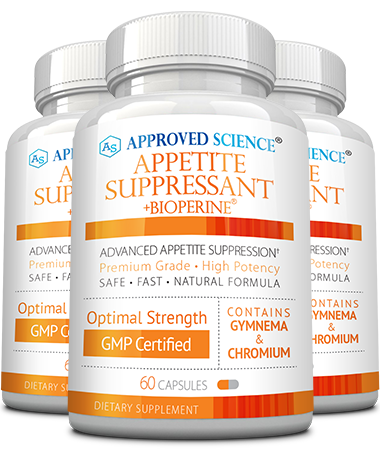
Stimulant-Free Appetite Suppressants: What to Know
Stimulant-free appetite suppressants are products or strategies intended to help people feel fuller or manage hunger without stimulant ingredients such as caffeine. They’re often marketed as a gentler option, but “stimulant-free” does not automatically mean safe, effective or suitable for everyone.
This guide explains how these products may work, what the evidence can tell you and how to make safer choices. It is general information, not a substitute for advice from a GP, pharmacist or Accredited Practising Dietitian.
What is a stimulant-free appetite suppressant?
The term can refer to supplements, foods or prescription medicines. In supplements, it usually means the product does not contain caffeine or other ingredients intended to increase alertness or energy. Products may instead claim to support fullness, slow digestion or help manage cravings.
These claims vary, and the ingredients and amounts can differ significantly between products. Some products described as stimulant-free may still affect the body in other ways, interact with medicines or cause side effects.
Common ingredients and what the evidence says
Some products contain soluble fibre, such as psyllium or glucomannan. Fibre absorbs water and can add bulk to food, which may help some people feel fuller. However, research on supplements and weight management is mixed, and any benefit is generally modest. Fibre supplements must be taken as directed with adequate fluid; they may not be suitable for people with swallowing difficulties or certain gut conditions, and they can affect the absorption of some medicines.
Other products may include ingredients such as plant extracts or minerals. Evidence for many of these ingredients is limited, inconsistent or based on small studies. A product’s presence on a shelf, or claims such as “natural”, “clinically proven” or “non-stimulant”, does not establish that it will produce meaningful weight loss.
Can they help with appetite or weight management?
Some people may find that particular foods or fibre-rich meals help them feel satisfied for longer. That is different from proving that an appetite-suppressant supplement leads to lasting weight loss. Results can depend on the person, the product, eating patterns, health conditions and other factors.
Weight management is influenced by more than appetite alone. Sleep, stress, medications, medical conditions, food access and daily routines can all play a part. A supplement is unlikely to address these factors by itself, and it should not replace nutritious eating, movement, sleep or appropriate medical care.
Safety considerations
“Stimulant-free” is not a safety guarantee. Supplements can cause side effects, vary in quality and interact with prescription or over-the-counter medicines. Be particularly cautious if you are pregnant or breastfeeding, under 18, have a chronic health condition, or take regular medication. Speak with a GP or pharmacist before starting a product.
In Australia, check whether a therapeutic product is listed or registered with the Therapeutic Goods Administration (TGA), and look for its AUST L or AUST R number on the label. TGA listing is not proof that a product works for weight loss; it indicates that it is included in the Australian Register of Therapeutic Goods under the applicable requirements. Buy from reputable Australian sellers and avoid products making dramatic promises or encouraging you to ignore medical advice.
Seek medical advice promptly if a product causes concerning symptoms. Stop using it and contact a health professional if you experience an unexpected reaction.
Practical ways to support fullness
For many people, everyday habits are a more reliable place to start than appetite-suppressant supplements. Consider:
- Including protein-rich foods and high-fibre foods in meals, such as legumes, vegetables, fruit, wholegrains, eggs, fish, tofu or yoghurt.
- Eating regular meals that are satisfying and suit your routine.
- Drinking water regularly, while recognising that water alone is not a weight-loss treatment.
- Getting enough sleep and finding manageable ways to reduce stress.
- Seeking tailored advice from a GP or Accredited Practising Dietitian, especially if hunger feels difficult to manage or weight changes unexpectedly.
Questions to ask before choosing a product
- What are the active ingredients and amounts?
- Is there good-quality evidence for the specific product, rather than just one ingredient?
- Could it interact with my medicines or affect a health condition?
- Does the label include clear directions, warnings and Australian regulatory details?
- Are the claims realistic, and is the seller transparent about risks and limitations?
The bottom line
Stimulant-free appetite suppressants are not automatically safe or effective, and evidence for many supplements is limited. If you’re considering one, check the ingredients, be wary of exaggerated claims and ask a GP, pharmacist or Accredited Practising Dietitian for advice. A personalised, sustainable approach to health is generally more useful than relying on a product to suppress appetite.
8 Tips for Choosing and Using Stimulant-Free Appetite Suppressants Safely
- Check with your GP or pharmacist before trying an appetite suppressant.
- Look for evidence and clear ingredient lists, not bold weight-loss claims.
- Choose stimulant-free products only after checking every ingredient.
- Ask about interactions with medicines and existing health conditions.
- Avoid appetite suppressants during pregnancy or breastfeeding unless advised by a clinician.
- Stop using a product if you notice concerning side effects.
- Support appetite management with filling, fibre-rich foods and regular meals.
- Seek personalised advice from an Accredited Practising Dietitian for lasting weight management.
Check with your GP or pharmacist before trying an appetite suppressant.
Before trying a stimulant-free appetite suppressant, check with your GP or pharmacist. They can review the ingredients, explain possible side effects and interactions with medicines, and advise whether the product is suitable for your health needs. This is especially important if you have a medical condition, take regular medication, or are pregnant or breastfeeding.
Look for evidence and clear ingredient lists, not bold weight-loss claims.
When choosing a stimulant-free appetite suppressant, look for a complete ingredient list with clearly stated amounts and check whether reliable evidence supports the product’s claims. Be cautious of bold promises, such as rapid or guaranteed weight loss—these aren’t proof that a product works or is safe. If you’re unsure about an ingredient or how it may interact with your medicines, ask a GP or pharmacist before using it.
Choose stimulant-free products only after checking every ingredient.
Choose a stimulant-free appetite suppressant only after checking the full ingredient list, including amounts and any added blends. “Stimulant-free” doesn’t necessarily mean risk-free: ingredients may cause side effects or interact with medicines and health conditions. If anything is unclear, ask a GP or pharmacist before using it, particularly if you’re pregnant, breastfeeding or managing a medical condition.
Ask about interactions with medicines and existing health conditions.
Before trying a stimulant-free appetite suppressant, ask your GP or pharmacist whether its ingredients could interact with your medicines or affect an existing health condition. “Stimulant-free” doesn’t mean risk-free, and supplements can still cause side effects or change how some medicines work. Take the product label or a list of its ingredients and your medicines to your appointment, and don’t stop or adjust prescribed treatment without medical advice.
Avoid appetite suppressants during pregnancy or breastfeeding unless advised by a clinician.
Avoid using appetite suppressants while pregnant or breastfeeding unless a qualified clinician has specifically advised you to do so. Supplements and weight-management products may contain ingredients that have not been adequately studied for safety during pregnancy or lactation, and some may affect you or your baby. If you’re concerned about appetite, nutrition or weight changes, speak with your GP, midwife or pharmacist for personalised guidance.
Stop using a product if you notice concerning side effects.
Stop using a stimulant-free appetite suppressant if you notice concerning side effects, such as an unusual rash, severe stomach discomfort, dizziness or changes in your heartbeat. “Stimulant-free” doesn’t mean risk-free, and symptoms may be related to an ingredient or an interaction with medication. Contact your GP or pharmacist for advice, and seek urgent medical care for severe or rapidly worsening symptoms.
Support appetite management with filling, fibre-rich foods and regular meals.
Support appetite management by choosing filling, fibre-rich foods such as vegetables, fruit, legumes and wholegrains, which can help you feel satisfied for longer. Pair them with regular, balanced meals to avoid getting overly hungry and make eating patterns easier to maintain. Appetite needs vary, so focus on habits that suit your routine rather than relying on supplements alone.
Seek personalised advice from an Accredited Practising Dietitian for lasting weight management.
For lasting weight management, consider seeking personalised advice from an Accredited Practising Dietitian. They can help you understand what may be affecting your appetite, develop practical eating habits that suit your health and lifestyle, and assess whether a stimulant-free appetite suppressant is appropriate. Their guidance can support sustainable progress without relying on quick fixes.