
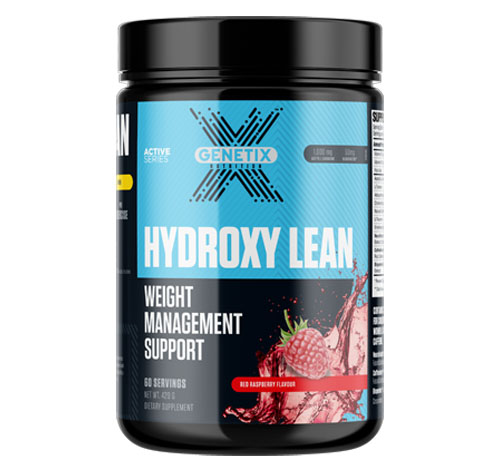
Thermogenics: What They Are and What the Evidence Says
“Thermogenics” are products or ingredients claimed to increase the body’s heat production and energy use. They’re often marketed as fat burners or weight-loss supplements. While the body naturally generates heat as it uses energy, taking a thermogenic supplement does not necessarily lead to significant or lasting weight loss.
What is thermogenesis?
Thermogenesis is the process of producing heat. The body uses energy to maintain its temperature, digest food and support everyday functions. Physical activity and exposure to cold can also affect how much energy the body uses.
Some foods and supplement ingredients may cause a small, temporary rise in energy expenditure. That change is usually modest, and it does not mean that body fat will automatically decrease. Weight change is influenced by many factors, including eating habits, activity, sleep, health conditions and medications.
Common ingredients in thermogenic supplements
Thermogenic products often combine several ingredients. The amount of research and the quality of evidence vary, and effects seen in studies may be small or difficult to separate from other lifestyle changes.
- Caffeine: A stimulant found in coffee, tea and some supplements. It can temporarily increase alertness and may slightly affect energy use. Too much can cause problems such as restlessness, anxiety, a rapid heartbeat or difficulty sleeping.
- Green tea extract: Contains caffeine and plant compounds called catechins. Research on weight loss has found mixed results, and concentrated extracts may carry risks, including rare reports of liver injury.
- Capsaicin: The compound that gives chilli its heat. It may have a small effect on energy use or appetite, but evidence does not show that it is a stand-alone weight-loss solution.
- Other stimulants or herbal ingredients: Some products contain blends that may include ingredients such as bitter orange or yohimbe. These can have significant side effects and may interact with medicines. The safety of a blend can be hard to judge when amounts are not clearly stated.
Do thermogenics help with weight loss?
Some ingredients may have a modest short-term effect on energy expenditure or appetite. However, evidence for thermogenic supplements as a reliable way to achieve meaningful, lasting weight loss is limited. Products can also contain multiple active ingredients, making it difficult to know what is responsible for an effect—or a side effect.
Claims such as “melts fat”, “works without diet or exercise” or “guaranteed rapid weight loss” should be treated with caution. A supplement cannot replace sustainable habits or address underlying health factors that may affect weight.
Potential risks and side effects
Side effects depend on the ingredients, dose and a person’s health. Stimulant-containing products may cause insomnia, shakiness, headaches, nausea, anxiety, increased blood pressure or a fast or irregular heartbeat. Combining a supplement with coffee, energy drinks, pre-workout products or some medicines can increase these risks.
People who are pregnant or breastfeeding, under 18, or living with heart or blood-pressure conditions, anxiety, liver problems or other ongoing health concerns should seek advice from a health professional before using weight-loss supplements. This is also important for anyone taking prescription or over-the-counter medicines.
Choosing supplements in Australia
In Australia, many therapeutic goods are regulated by the Therapeutic Goods Administration (TGA). Some products may be listed on the Australian Register of Therapeutic Goods (ARTG), but a listing is not proof that a product will produce substantial weight loss. Check the product’s status and follow the label directions; don’t assume that “natural” means safe.
Be cautious of products sold through unfamiliar websites, products with hidden or proprietary blends, and claims that promise dramatic results. Avoid taking more than the labelled dose or combining several products with similar ingredients. If you’re unsure about a product, ask a pharmacist, GP or accredited practising dietitian.
A more dependable approach
For most people, gradual and sustainable changes are a safer foundation for weight management. This may include choosing nourishing foods, finding regular physical activity that suits your circumstances, getting adequate sleep and seeking support when needed. A GP or dietitian can help tailor advice to your health, goals and preferences.
The bottom line
Thermogenics refer to substances claimed to increase heat production or energy use, but the effects of supplements are generally limited and evidence is mixed. They can also cause side effects, particularly when they contain stimulants or are combined with other products. Before trying one, check the ingredients and speak with a qualified health professional—especially if you have a medical condition or take medicines.
Thermogenics FAQs: Safety, Effectiveness and How They Work
- Is it safe to take thermogenics?
- Do thermogenic fat burners actually work?
- What do thermogenics do to the body?
- How does thermogenesis burn fat?
- What do thermogenics do to your body?
Is it safe to take thermogenics?
The safety of thermogenics depends on their ingredients, dose and your individual health. Products containing stimulants such as caffeine may cause side effects, including trouble sleeping, anxiety, increased blood pressure or a rapid heartbeat, and risks may rise if combined with coffee, energy drinks or certain medicines. “Natural” doesn’t always mean safe, and some supplements may contain ingredients with limited safety evidence. Check the label and speak with a GP or pharmacist before using thermogenics, particularly if you’re pregnant or breastfeeding, have a health condition, or take medication.
Do thermogenic fat burners actually work?
Thermogenic fat burners may slightly and temporarily increase energy use or reduce appetite, depending on their ingredients, but evidence that they lead to meaningful, lasting weight loss is limited. They’re not a substitute for sustainable eating and activity habits, and stimulant-based products can cause side effects such as poor sleep, anxiety or a rapid heartbeat. Check the ingredients carefully and speak with a GP or pharmacist before using one, particularly if you take medicines or have a health condition.
What do thermogenics do to the body?
Thermogenics are ingredients or supplements intended to increase heat production and energy use in the body. Some, such as caffeine, may temporarily raise alertness, heart rate and the number of calories used, but the effect is usually modest and doesn’t guarantee fat loss. They can also cause side effects such as restlessness, trouble sleeping, anxiety or a rapid heartbeat, particularly at high doses or when combined with other stimulants. Check the ingredients and speak with a GP or pharmacist before using a thermogenic supplement, especially if you take medicines or have an existing health condition.
How does thermogenesis burn fat?
Thermogenesis is the process by which the body produces heat, using energy in the process. Some thermogenic ingredients may slightly increase energy use for a short time, but that doesn’t mean they directly “burn” body fat. Fat loss generally occurs when the body uses more energy than it takes in over time, and any effect from a thermogenic supplement is likely to be modest. Evidence varies by ingredient, and some products can cause side effects, so speak with a health professional before using one.
What do thermogenics do to your body?
Thermogenics are products or ingredients intended to increase heat production and energy use, often through stimulants such as caffeine. They may cause a small, temporary rise in energy expenditure, but this does not necessarily result in meaningful fat loss. Depending on the ingredients and dose, they can also increase heart rate or blood pressure and cause shakiness, anxiety, nausea or trouble sleeping. Effects vary, so check the ingredients and ask a health professional before using them, particularly if you take medicines or have a health condition.